A Guide to 7-Day All-Inclusive Mediterranean Cruises
A seven-day, all-inclusive cruise through the Mediterranean offers a fantastic way to see multiple iconic destinations without the hassle of constantly unpacking and repacking. This type of vacation combines relaxation, exploration, and convenience, but it's important to understand what you're getting before you book. From deciphering what 'all-inclusive' truly covers to choosing the right itinerary, a little planning can go a long way in creating the perfect getaway.
What Does 'All-Inclusive' Really Mean on a Cruise?
The term 'all-inclusive' can be misleading in the cruise industry, as its meaning varies significantly between cruise lines. Generally, an all-inclusive package covers your accommodation, meals in main dining rooms and buffets, and a selection of non-alcoholic beverages like water, juice, and coffee. Many packages also include a range of onboard activities, access to pools and fitness centers, and evening entertainment.
However, it is crucial to check the fine print for what is not included. Common exclusions are specialty dining restaurants, alcoholic and premium non-alcoholic beverages, shore excursions, spa treatments, and crew gratuities. Some luxury lines offer a more comprehensive package that includes these extras, so it is vital to compare offerings to find a cruise that aligns with your budget and expectations.
Popular 7-Day Mediterranean Itineraries
Mediterranean cruises are typically split into two main regions: the Western Mediterranean and the Eastern Mediterranean. Each offers a distinct cultural experience and a unique set of destinations. A week-long cruise provides just enough time to get a wonderful taste of one of these captivating areas.
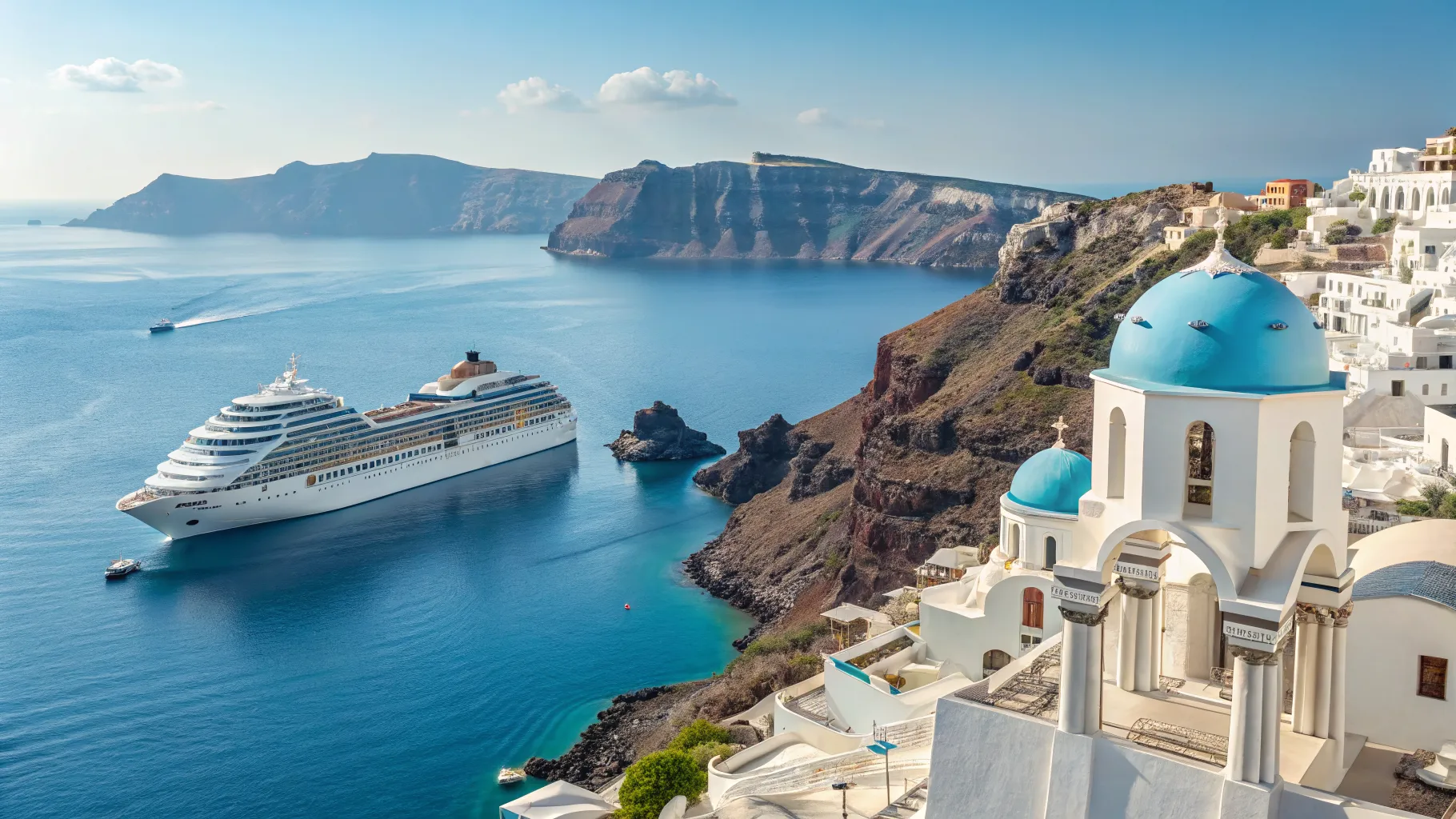
A Western Mediterranean itinerary often focuses on the coasts of Spain, France, and Italy. Common ports of call include Barcelona, Marseille, Nice, and iconic Italian cities like Rome (from the port of Civitavecchia), Florence (from Livorno), and Naples. This route is ideal for those interested in Renaissance art, Roman history, and vibrant city life. In contrast, an Eastern Mediterranean cruise usually explores Greece, Croatia, and sometimes parts of Turkey. You can expect to visit destinations like Dubrovnik, Santorini, Mykonos, and Athens (from the port of Piraeus), offering a journey through ancient ruins, stunning islands, and beautiful coastlines.
Choosing the Right Cruise Line for You
The cruise line you choose will define the atmosphere of your vacation. The industry caters to a wide variety of travelers, so there is something for nearly everyone. Some lines are known for their family-friendly environment, featuring kids' clubs, water slides, and extensive entertainment options suitable for all ages. These are great choices for multi-generational trips.
Other lines focus on providing a luxury experience with smaller ships, gourmet dining, and a higher level of personal service. These are often quieter and more adult-oriented. You can also find cruise lines that appeal to budget-conscious travelers, offering great value without all the frills. Finally, some brands cater to adventure seekers with a focus on active excursions and unique, off-the-beaten-path destinations. Consider your travel style, budget, and desired onboard experience when making your selection.
Understanding Onboard Accommodations
Your cabin, or stateroom, will be your home base for the week, so choosing the right one is important. Cruise ships offer several categories of accommodation to fit different budgets and preferences. Understanding the options will help you make an informed decision.
- Inside Cabins: These are the most affordable option. They have no window and are located in the interior of the ship. They are a great choice for travelers who plan to spend most of their time exploring the ship and ports.
- Oceanview Cabins: This category provides a window with a view of the sea. It allows for natural light but the window does not open. It's a good middle-ground option.
- Balcony Cabins: A popular choice, these rooms feature a private balcony where you can sit and enjoy the ocean breeze and scenery. They are perfect for those who want some private outdoor space.
- Suites: The most spacious and luxurious option, suites often come with a separate living area, a larger balcony, and additional perks like priority boarding and access to exclusive lounges.
Making the Most of Your Port Days
A key part of any cruise is exploring the destinations on your itinerary. When the ship docks, you typically have several hours to go ashore. You have three main options for how to spend this time: book a shore excursion through the cruise line, arrange a tour with an independent local company, or explore on your own.
Booking with the cruise line is the most convenient and secure option; they handle all the logistics, and the ship will wait for you if your tour runs late. Independent tours can sometimes offer more unique experiences or smaller group sizes at a better price, but you are responsible for getting back to the ship on time. Exploring on your own gives you the most freedom and flexibility but requires more planning. Whichever you choose, research each port in advance to decide what you want to see and do to maximize your limited time ashore.
Budgeting for Onboard and Ashore Extras
Even with an all-inclusive package, it is wise to budget for extra expenses to avoid any surprises at the end of your trip. Many of the most memorable experiences, such as guided tours of ancient ruins or local cooking classes, will come at an additional cost. Plan ahead by researching potential shore excursions and their prices.
Onboard, you may be tempted by specialty restaurants that offer a different culinary experience from the main dining rooms. Other common extra costs include spa treatments, casino spending, professional photographs, and souvenir shopping. Most cruise lines also add a daily gratuity or service charge to your onboard account for the crew, which may or may not be included in your initial fare. Keeping these potential costs in mind will help you manage your vacation budget effectively.