What Kills Weeds Down to the Root: An Ultimate Guide
Facts:
- Systemic herbicides are designed to travel to the roots.
- A major trend for deep weed control is using horticultural vinegar.
The Core Challenge: Eradicating Weeds from the Root Up
For any gardener or homeowner, the battle against invasive weeds is ongoing. The temporary satisfaction of pulling a weed is often short-lived as it reappears days later. The key to lasting success is understanding what kills weeds down to the root. Simply removing the top growth is not enough; true eradication requires targeting the root system where the plant stores its energy and regenerative capabilities. This guide explores the most effective weed removal methods, from powerful chemical treatments to sustainable organic approaches, ensuring your efforts result in a truly weed-free space.
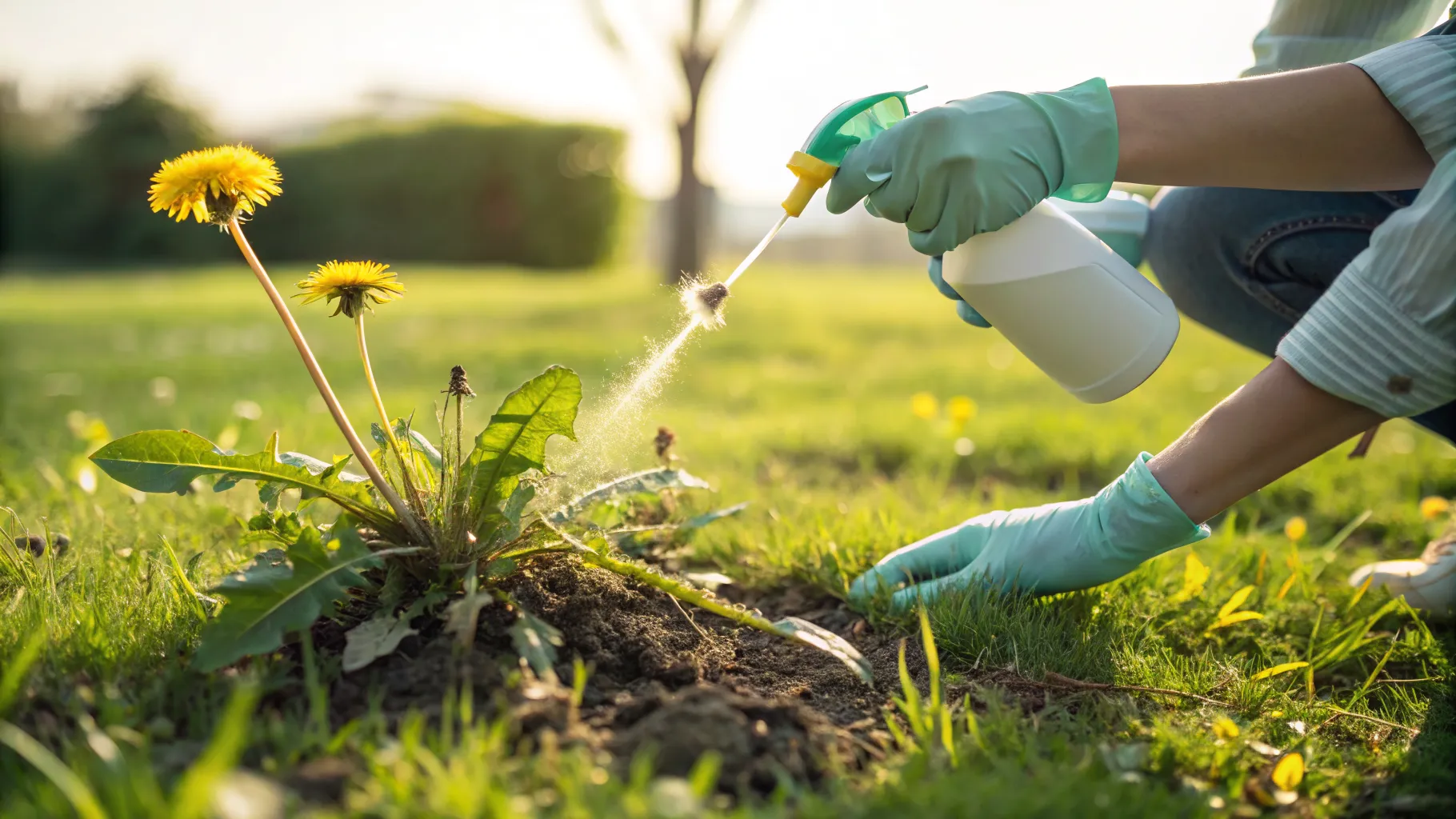
Systemic Herbicides: The Chemical Approach to Deep Weed Control
When dealing with persistent and deeply rooted weeds like dandelions, thistle, or bindweed, chemical intervention is often the most efficient route. Unlike contact herbicides that only kill the parts of the plant they touch, systemic herbicides are absorbed by the foliage and transported throughout the plant's vascular system, all the way down to the root tips. This ensures a complete kill. Products containing glyphosate, triclopyr, or 2,4-D are prime examples of systemic solutions that provide thorough deep weed control. It is crucial to apply these chemicals on a calm, dry day to prevent drift to desirable plants and to allow for maximum absorption. Always read the label to ensure the product is safe for your lawn type and to understand the proper application rates. This method is one of the most reliable answers to what kills weeds down to the root when dealing with aggressive infestations.
Effective Ways to Remove Weeds Naturally
For those who prefer an eco-friendly approach, there are several powerful ways to remove weeds naturally that are surprisingly effective. Boiling water, for instance, is a simple yet potent solution. Pouring it directly onto a weed will scald the plant and its root system, often killing it with one application. Another popular method involves using a high-concentration horticultural vinegar (around 20% acetic acid). When sprayed directly on weeds, the acid strips the leaves of their waxy coating, causing them to dehydrate and die. For this to be a truly effective root weed treatment ideas, the application might need to be repeated, especially for tougher weeds. Combining vinegar with a small amount of dish soap can help the solution adhere to the leaves better, increasing its effectiveness. Manual removal with specialized tools like a garden fork or a stand-up weeder that grips the root is also a fundamental and organic method for achieving deep weed control.
Preventative Strategies: Long-Term Root Weed Treatment Ideas
The best defense against weeds is a good offense. Preventing them from establishing a root system in the first place is a key long-term strategy. Applying a thick layer of organic mulch (2-3 inches) across your garden beds is one of the most effective weed removal methods that works preventatively. Mulch blocks sunlight, which weed seeds need to germinate, and it also smothers any small weeds that do sprout. Another excellent technique is the installation of landscape fabric beneath mulch or gravel. This physical barrier stops roots from penetrating deep into the soil. For larger areas, soil solarization—covering the soil with clear plastic for 4-6 weeks during the hottest part of the year—can heat the soil to temperatures that kill weed seeds and pathogens, offering a clean slate for planting. These proactive root weed treatment ideas significantly reduce the amount of work needed later on.
Comparing Methods: Which Weed Removal Methods Are Right for You?
Choosing the right approach to weed control depends on the type of weed, the scale of the infestation, and your personal philosophy on chemical use. Systemic herbicides offer a fast and definitive answer to what kills weeds down to the root, making them ideal for aggressive, hard-to-kill perennials. However, they require careful handling and can have environmental impacts. On the other hand, discovering ways to remove weeds naturally, such as using boiling water or vinegar, is safer for pets, children, and surrounding plants but may require more persistence and repeated applications. Manual pulling is labor-intensive but offers immediate, chemical-free results. Ultimately, the most effective strategy often involves an integrated approach: using preventative measures like mulching as a first line of defense, employing natural methods for minor issues, and reserving chemical treatments for the most stubborn and invasive weed problems.
Actionable Plan for Permanent Deep Weed Control
To effectively implement these strategies, follow this step-by-step plan for lasting results. A systematic approach ensures you are not just treating the symptom but solving the core problem.
- Identify the Invader: Correctly identify your weeds. Annuals, perennials, and woody weeds require different weed removal methods. Knowing your enemy is the first step to victory.
- Choose the Right Time: Apply treatments when weeds are actively growing, typically in spring or fall. Systemic herbicides are most effective when plants are transporting sugars to their roots.
- Prepare the Area: For manual methods, watering the soil a day before can make pulling roots out much easier. For chemical or natural sprays, ensure the foliage is dry for better adherence.
- Apply with Precision: Whether using a spray or a tool, target the weed directly. This minimizes damage to surrounding grass or plants and concentrates the treatment where it's needed for effective deep weed control.
- Follow Up and Prevent: After removing the weeds, fill the bare patch with soil and seed or cover it with mulch immediately. This prevents new weed seeds from taking hold and establishing a new problem.
Frequently Asked Questions
What is the most effective thing that kills weeds down to the root?
The most effective products are typically systemic herbicides containing glyphosate or triclopyr. They are absorbed by the plant and travel down to the root system, ensuring a complete kill. For a natural alternative, repeated applications of horticultural vinegar or boiling water can also achieve deep weed control.
How long does it take to kill a weed to the root?
With a systemic herbicide, you may see the leaves begin to wilt within hours, but it can take 1 to 3 weeks for the chemical to fully travel to the roots and kill the entire plant. Natural methods might require several applications over a similar period to fully exhaust the root's energy reserves.
Are there any ways to remove weeds naturally that are permanent?
While no single application is always permanent, consistent use of preventative measures offers the most permanent solution. Thick mulching, landscape fabric, and promoting a dense, healthy lawn are all excellent ways to remove weeds naturally and permanently by creating an environment where they cannot thrive.
What are some good root weed treatment ideas for a vegetable garden?
In a vegetable garden, avoiding chemical herbicides is crucial. The best root weed treatment ideas include manual removal with a hoe or weeding tool, applying a thick layer of straw or chemical-free grass clippings as mulch, and using methods like boiling water or vinegar very carefully between rows to avoid contact with your crops.
References
- University of California Agriculture & Natural Resources - Weed Management
- The Royal Horticultural Society - Weed Control Advice
- Cornell University College of Agriculture and Life Sciences - Lawn Care Guidelines
- Purdue University Extension - Herbicide Application Methods