Recognizing the Warning Signs of Leaky Heart Valve: A Complete Guide
Facts:
- A leaky heart valve is also called regurgitation.
- Millions of people are affected by heart valve disease annually.
Decoding the Subtle Alarms: The Primary Warning Signs of a Leaky Heart Valve
Understanding your body's signals is the first line of defense in maintaining cardiovascular wellness. A leaky heart valve, medically known as valve regurgitation, occurs when one of your heart's valves doesn't close properly, allowing blood to flow backward. Ignoring the initial warning signs of leaky heart valve can lead to more significant health complications. These signals are not always dramatic; they can be subtle and easily dismissed as signs of aging or fatigue. Recognizing these specific heart valve symptoms is crucial for early diagnosis and treatment, which can significantly improve your quality of life and prevent severe cardiac events. It's essential to pay close attention to any new or worsening heart health symptoms.
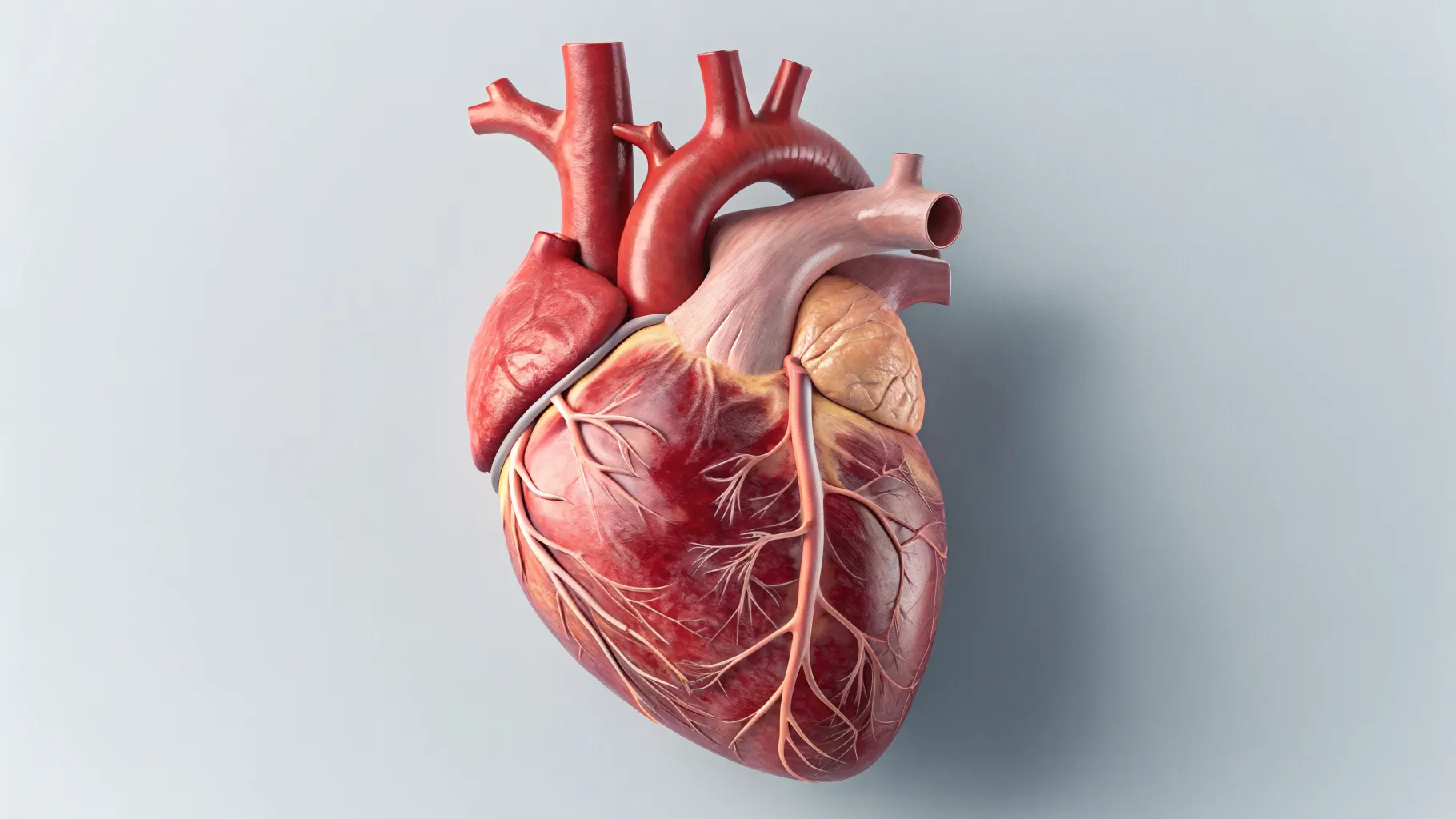
Physical Manifestations: Common Heart Valve Symptoms You Shouldn't Ignore
The physical indicators of a compromised heart valve can vary widely in intensity. Many of these signs linked to heart valve problems develop gradually, making them difficult to notice at first. However, their persistence and progression are key indicators that something is amiss. Paying close attention to these leaky heart valve warning signs is vital for your long-term health.
Unusual Fatigue and Weakness
One of the most frequently reported heart valve symptoms is a pervasive sense of fatigue that isn't relieved by rest. This occurs because the heart has to work much harder to pump blood effectively throughout the body. When blood flows backward, the heart's efficiency drops, depriving your muscles and organs of the oxygen-rich blood they need to function optimally. This can make simple daily activities feel exhausting.
Shortness of Breath (Dyspnea)
Feeling out of breath, especially during physical activity or when lying down, is a classic among the warning signs of leaky heart valve. As the condition worsens, blood can back up into the lungs, causing fluid congestion. This makes it difficult to breathe and can be particularly alarming at night, sometimes causing you to wake up suddenly gasping for air. This is a critical symptom that requires immediate medical attention.
Heart Murmur, Palpitations, or Irregular Heartbeat
A physician can often detect a leaky heart valve during a routine check-up by listening for a heart murmur—an unusual whooshing sound made by turbulent blood flow. You might personally experience heart palpitations, which can feel like a rapid, fluttering, or pounding heartbeat. These sensations are important signs linked to heart valve problems and indicate that the heart's rhythm may be affected by the valvular issue.
When to Seek Help: Recognizing Serious Leaky Heart Valve Warning Signs
While some symptoms can be mild, certain leaky heart valve warning signs signal a more urgent problem that necessitates prompt medical evaluation. These symptoms often indicate that the heart is struggling significantly to compensate for the faulty valve, and the body is not receiving adequate blood flow. Delaying medical care when these signs appear can lead to irreversible heart damage or life-threatening complications. Understanding these severe heart health symptoms is crucial.
Chest Pain or Discomfort
Though not as common as in a heart attack, chest pain or a feeling of tightness can occur with a leaky heart valve. This pain happens because the heart muscle itself may not be getting enough oxygen due to the strain of pumping harder. Any chest discomfort should be considered a serious red flag among the warning signs of leaky heart valve and requires immediate medical assessment to rule out critical cardiac issues.
Dizziness or Fainting Spells (Syncope)
Episodes of lightheadedness, dizziness, or actual fainting are serious heart valve symptoms. They suggest that not enough oxygenated blood is reaching the brain. This can happen, particularly during exertion, when the heart cannot increase its output sufficiently to meet the body's demands. These are significant signs linked to heart valve problems and indicate the condition may be advancing.
Swelling in the Ankles, Feet, or Abdomen (Edema)
When the heart's pumping action is compromised over time, it can lead to fluid buildup in the body. This often manifests as swelling, or edema, in the lower extremities like the ankles and feet. In more severe cases, fluid can accumulate in the abdomen. This swelling is a key physical sign that the circulatory system is under strain, representing one of the more advanced leaky heart valve warning signs.
Understanding the Causes and Risks Linked to Heart Valve Problems
Several conditions can cause or increase the risk of developing a leaky heart valve. Sometimes, it is a congenital defect present from birth. In other cases, it develops later in life due to infections like rheumatic fever or endocarditis, which can damage the valve leaflets. Other common causes include high blood pressure, heart attacks that damage the heart muscle and valve structures, and age-related degenerative changes. Recognizing these risk factors helps in understanding your personal susceptibility to developing these heart health symptoms and is part of a proactive approach to cardiovascular care.
Actionable Steps for Better Heart Health
If you are experiencing any warning signs of leaky heart valve, the most critical step is to consult a healthcare provider. Beyond professional medical care, certain lifestyle adjustments can support your overall cardiovascular health. Here are some actionable steps:
- Regular Medical Check-ups: Early detection is key. Regular visits to your doctor allow for monitoring of your heart sounds and overall cardiovascular health, which can catch heart valve symptoms early.
- Adopt a Heart-Healthy Diet: Focus on a diet low in sodium, saturated fats, and cholesterol. Incorporate more fruits, vegetables, whole grains, and lean proteins to support your heart's function and manage blood pressure.
- Engage in Regular Physical Activity: With your doctor's approval, engage in moderate exercise. Physical activity strengthens the heart muscle and improves circulation, though the type and intensity should be tailored to your specific condition.
- Manage Blood Pressure: High blood pressure puts extra strain on your heart and can worsen valve problems. Monitor your blood pressure regularly and follow your doctor's advice for keeping it in a healthy range.
- Avoid Smoking and Limit Alcohol: Smoking damages blood vessels and harms your heart. Limiting alcohol intake is also crucial for maintaining good cardiovascular health and managing any existing heart health symptoms.
Frequently Asked Questions
What are the earliest warning signs of leaky heart valve?
The earliest signs are often subtle and can include unusual fatigue, shortness of breath during normal activities, and occasional lightheadedness. Because these heart valve symptoms can be attributed to other causes, they are sometimes overlooked. A new heart murmur detected by a doctor is also a very early sign.
Can leaky heart valve warning signs come and go?
Yes, in the early stages, leaky heart valve warning signs may be intermittent. Symptoms like palpitations or shortness of breath might only appear during periods of physical exertion or stress and then subside with rest. However, as the condition progresses, these symptoms typically become more frequent and persistent.
How are heart valve symptoms diagnosed?
Diagnosis typically begins with a physical exam where a doctor listens to your heart with a stethoscope to detect a murmur. To confirm the diagnosis and assess the severity, your doctor will likely order an echocardiogram, which is an ultrasound of the heart. This test provides detailed images of your heart valves and shows how blood is flowing through your heart, clearly identifying any regurgitation and other signs linked to heart valve problems.
References
- Clinical insights from cardiology journals on heart valve disease.
- Patient advocacy group reports on cardiac health.
- Guidelines from national heart associations on valvular heart disease.
- Medical textbooks on cardiovascular pathology and treatment.