7 Home Odor Removal Approaches for a Permanently Fresh Smelling Home
Facts:
- Household dust is primarily comprised of dead skin cells, a source of odors.
- A growing trend for May 2026 is using activated charcoal as a top choice for home freshness tips.
Unlocking the Secrets to a Permanently Fresh Home
Persistent household odors can be frustrating, turning your sanctuary into a place you want to escape. Whether it's lingering cooking smells, pet dander, or just a general stuffiness, finding effective ways to remove house odors is key to maintaining a pleasant living environment. Many commercial air fresheners merely mask smells with heavy perfumes, but true freshness comes from eliminating the source. This guide explores a variety of 7 home odor removal approaches, focusing on methods that neutralize and eradicate bad smells, providing you with lasting fresh smelling home solutions for a cleaner, healthier, and more inviting space.
The 7 Proven Home Odor Removal Approaches
To achieve a truly fresh-smelling home, you need a multi-faceted strategy. It's not about a single quick fix, but about adopting a series of habits and solutions. Below are seven proven methods that address odors at their source, offering both immediate relief and long-term prevention. These odor control ideas range from simple, natural solutions to more thorough cleaning techniques.
1. The Power of Ventilation and Air Purification
The simplest of all home freshness tips is often the most effective: fresh air. Stagnant air traps odor molecules, dust, and pollutants. Make it a daily habit to open windows on opposite sides of your home for at least 15-30 minutes to create a cross-breeze. This simple act flushes out old, smelly air and brings in fresh, clean air. For a more advanced approach, invest in a high-quality air purifier with a HEPA filter and an activated carbon layer. The HEPA filter traps fine particulates like pet dander and pollen, while the activated carbon is exceptional at absorbing and neutralizing odor molecules from smoke, cooking, and chemicals.
2. Harnessing Natural Absorbers: Baking Soda & Activated Charcoal
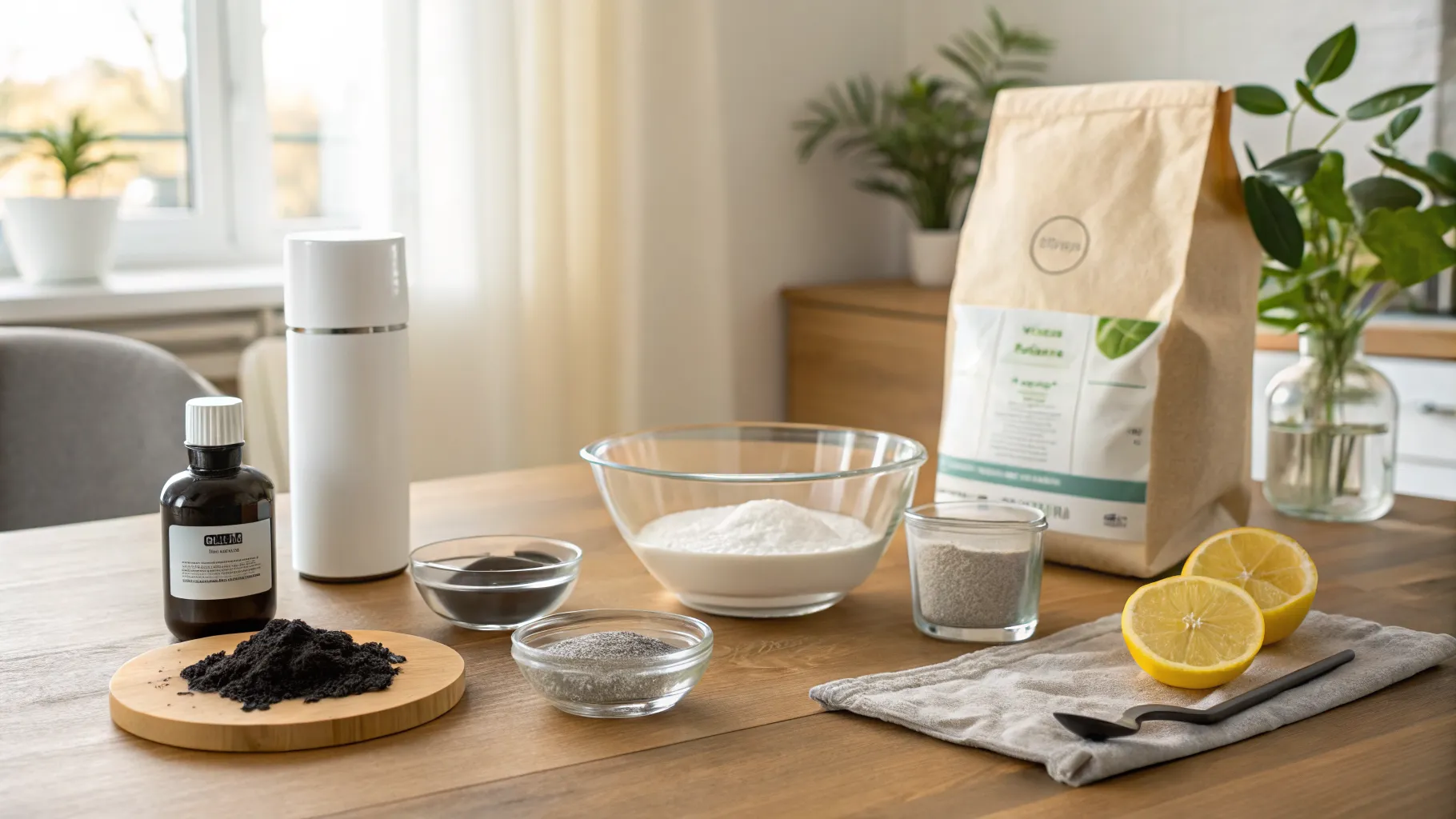
Before reaching for a chemical spray, consider these powerful natural absorbers. Baking soda (sodium bicarbonate) is a fantastic, inexpensive neutralizer. Place open boxes or small bowls of it in refrigerators, closets, and under sinks to absorb ambient odors. You can also sprinkle it on carpets and upholstery, let it sit for an hour, and then vacuum it up for a refreshed surface. Activated charcoal is even more potent, with a porous structure that traps a wide range of odor-causing compounds. Bags of activated charcoal can be placed in gym bags, near litter boxes, or in musty basements, providing one of the best fresh smelling home solutions.
3. The Acetic Acid Solution: White Vinegar Neutralization
White vinegar is a powerhouse when it comes to breaking down stubborn odor molecules. Its acetic acid content neutralizes alkaline odors, making it perfect for combating strong smells like fish, burnt popcorn, or smoke. One of the classic ways to remove house odors is to simmer a small pot of water with a cup of vinegar on the stove for an hour; the vapor will travel through your home and neutralize airborne smells. You can also place small bowls of vinegar around a room to absorb odors overnight. For surface cleaning, a solution of equal parts water and vinegar makes an excellent deodorizing spray for countertops and non-porous surfaces.
4. Deep Cleaning Fabrics and Upholstery
Fabrics are odor magnets. Curtains, carpets, throw pillows, and upholstered furniture trap dust, spills, pet hair, and smoke particles, which slowly release unpleasant smells over time. A crucial step in any 7 home odor removal plan is to regularly clean these items. Wash curtains and cushion covers according to their care labels. For carpets and large furniture, consider a deep steam cleaning at least once a year. This process uses hot water and specialized cleaning agents to kill bacteria and extract deep-set grime and odors, providing a foundational level of cleanliness.
5. Simmer Pots: Natural Aromatherapy Deodorizers
For a pleasant scent that also helps eliminate odors, a simmer pot is a wonderful, natural option. This is one of the most enjoyable odor control ideas. In a small saucepan, combine water with natural ingredients like citrus peels (lemon, orange), cinnamon sticks, cloves, and a sprig of rosemary or a few drops of vanilla extract. Bring the mixture to a gentle simmer on your stovetop, and let the fragrant steam permeate your home. This method doesn't just mask odors; the steam helps to deodorize the air while leaving behind a subtle, natural fragrance.
6. Addressing the Source: Garbage Disposals and Drains
Often, persistent kitchen and bathroom odors originate from unseen places like your garbage disposal and drains. Food particles can get trapped and rot, creating a foul smell. To clean your disposal, throw in a handful of ice cubes and coarse salt, and run it with cold water. Follow this by grinding up citrus peels (lemons or limes work best) to deodorize it. For drains, pour a half-cup of baking soda down the drain followed by a cup of white vinegar. Let it fizz and work for 15 minutes before flushing with hot water. This is a critical technique among the ways to remove house odors.
7. Strategic Use of Essential Oil Diffusers
Essential oils offer another excellent method for creating fresh smelling home solutions. Unlike synthetic fragrances, pure essential oils can have antibacterial and antiviral properties. Use an ultrasonic diffuser to disperse a fine mist of water and essential oils like eucalyptus, tea tree, or lemon into the air. These oils can help cleanse the air while providing a natural, pleasant aroma. You can also create your own room spray by mixing water, a splash of witch hazel, and 15-20 drops of your favorite essential oil in a spray bottle.
Commercial Air Fresheners vs. Natural Odor Control Ideas
When faced with a bad smell, the immediate reaction for many is to grab a can of commercial air freshener. While these products offer a quick burst of fragrance, they often contain volatile organic compounds (VOCs) and phthalates, which can mask odors but contribute to indoor air pollution. In contrast, the natural odor control ideas outlined above work by neutralizing or absorbing the odor molecules themselves. Solutions like baking soda, activated charcoal, and white vinegar are non-toxic and address the root cause of the problem. Adopting these home freshness tips not only leads to a better-smelling home but also a healthier one by reducing your exposure to unnecessary chemicals.
Your Weekly Checklist for a Fresh Smelling Home
- Daily Airing Out: Open windows for at least 15 minutes each day to cycle out stale air. This is one of the most fundamental ways to remove house odors.
- Trash Management: Take out the trash daily, especially if it contains food waste. Sprinkle a little baking soda at the bottom of the bin to absorb lingering smells.
- Surface Wiping: Quickly wipe down kitchen counters and sinks after cooking to prevent food smells from setting in.
- Weekly Fabric Refresh: Choose one fabric item to wash each week, such as throw blanket, cushion covers, or bathmats.
- Drain Maintenance: Once a week, use the baking soda and vinegar method to keep your kitchen and bathroom drains fresh and clear.
- Vacuuming: Vacuum carpets and rugs at least once a week, sprinkling with baking soda beforehand for extra deodorizing power as part of your fresh smelling home solutions.
Frequently Asked Questions
What are the most effective ways to remove house odors from pets?
The most effective ways to remove house odors from pets involve a combination of regular grooming, frequent cleaning, and the use of natural neutralizers. Wash pet bedding weekly in hot water. Vacuum carpets and furniture frequently using a vacuum with a HEPA filter designed for pet hair. Use an enzymatic cleaner to break down and eliminate urine stains completely. Finally, placing bowls of baking soda or activated charcoal near pet areas can help absorb persistent odors.
How can I implement long-term odor control ideas in my kitchen?
For long-term odor control ideas in the kitchen, focus on prevention and maintenance. Always use the exhaust fan when cooking to vent steam and grease particles outside. Clean your garbage disposal and drains weekly. Regularly wipe down your microwave, oven, and refrigerator to prevent old food smells. Keep a bowl of coffee grounds or baking soda on the counter to absorb ambient cooking smells. These habits create a consistently fresh environment.
Are natural home freshness tips as effective as chemical products?
Yes, in many cases, natural home freshness tips are more effective because they neutralize or eliminate odors at the source rather than just masking them. While chemical sprays provide an immediate but temporary scent, ingredients like vinegar, baking soda, and activated charcoal work to absorb the odor-causing molecules, providing a longer-lasting solution without introducing potentially harmful chemicals into your home's air.
References
- Home Comforts: The Art and Science of Keeping House
- The Journal of Environmental Health Studies
- Natural Homekeeping: The Essential Guide to a Clean and Healthy Home
- Indoor Air Quality Association (IAQA) Guidelines