What Causes Nerve Pain in the Legs: A Guide to Relief
Fast Facts:
- Primary Cause: Nerve compression, often from herniated discs or spinal stenosis, is a leading factor.
- For adults over 40, peripheral neuropathy is a significant cause of chronic leg pain.
Decoding the Signals: Identifying the Root of Your Leg Nerve Pain
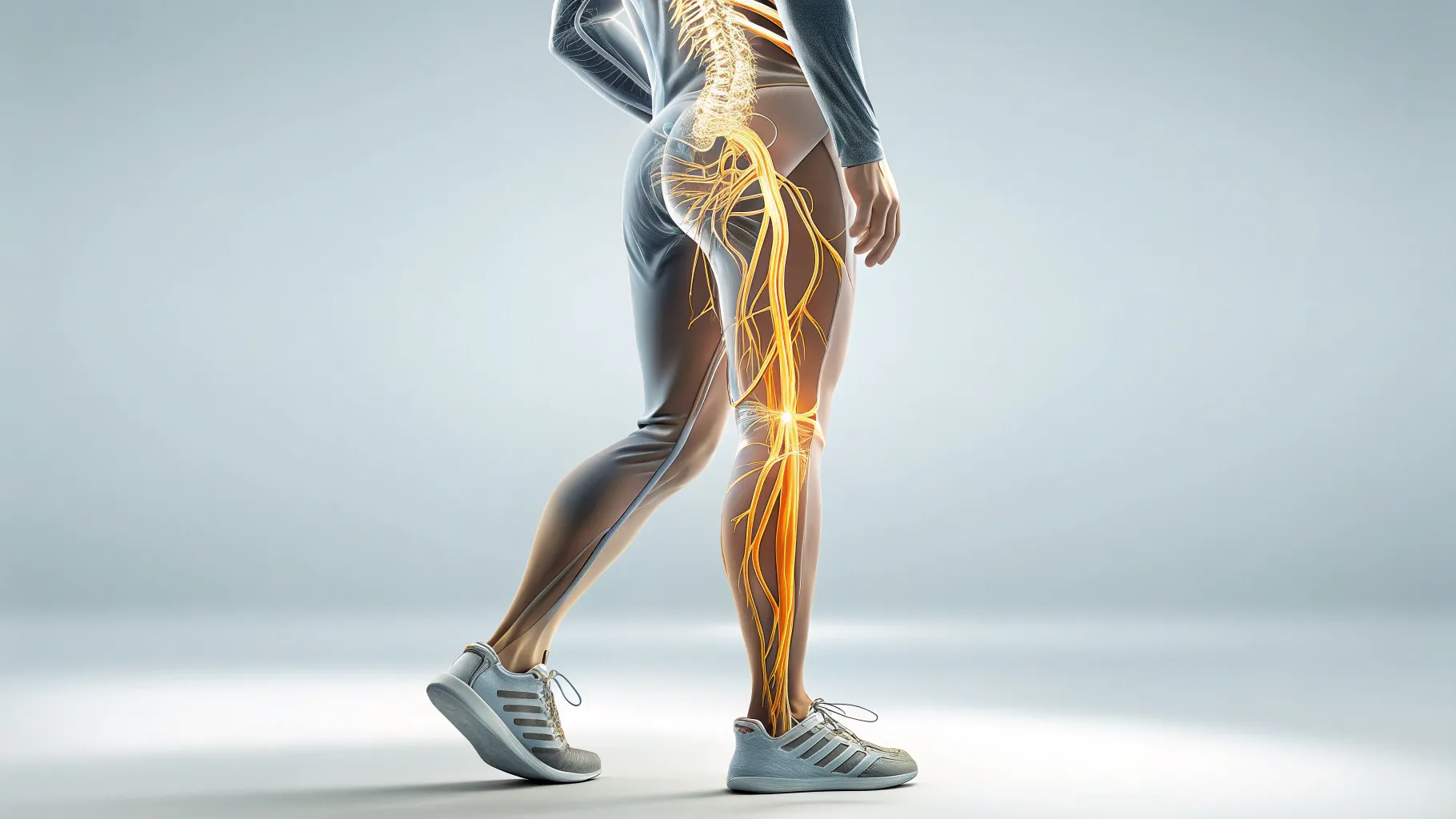
Experiencing a sharp, shooting sensation, or a persistent tingling burning leg pain can be more than just a minor annoyance; it can significantly impact your daily life. This discomfort, often diagnosed as neuropathy or sciatica, originates from the complex network of nerves running from your lower back down to your toes. Understanding the underlying nerve pain in legs causes is the first critical step toward finding effective relief and reclaiming your mobility. This guide will explore the most common culprits, from spinal issues to metabolic conditions, and outline proven strategies for management.
Common Culprits Behind Leg Nerve Pain
Identifying the source of your pain is crucial for effective treatment. Several conditions can be responsible for irritating or damaging the nerves in your legs, leading to a range of symptoms from mild tingling to debilitating pain.
1. Sciatica and Lumbar Radiculopathy
One of the most frequent nerve pain in legs causes is sciatica. This condition occurs when the sciatic nerve, the longest nerve in your body, becomes compressed or irritated. The most common cause is a herniated or slipped disc in the lumbar (lower) spine, but it can also result from spinal stenosis (narrowing of the spinal canal) or bone spurs.
2. Peripheral Neuropathy
Peripheral neuropathy is a result of damage to the peripheral nerves, which often affects the legs and feet. This damage can disrupt communication between the brain and the body, leading to pain, numbness, and weakness. Diabetes is a leading cause of neuropathy leg pain, but it can also be triggered by vitamin deficiencies, alcoholism, infections, and autoimmune diseases.
3. Vascular Issues
Sometimes, the problem isn't with the nerves themselves but with the blood supply that nourishes them. Conditions like Peripheral Artery Disease (PAD) can cause narrowed arteries, reducing blood flow to the legs. This can lead to nerve damage and pain, particularly during physical activity.
Navigating Your Path to Effective Leg Nerve Pain Treatment
Once a diagnosis is made, a multi-faceted approach is often the most effective way to manage and alleviate symptoms. Finding the right combination of therapies is key to long-term relief.
- Medical Diagnosis: The first and most important step is getting an accurate diagnosis from a healthcare provider. This may involve a physical exam, imaging tests like an MRI, or nerve conduction studies to pinpoint the exact cause of the pain.
- Physical Therapy: A tailored physical therapy program can provide significant leg nerve pain relief. Specific exercises can help strengthen the back and leg muscles, improve flexibility, and reduce pressure on compressed nerves.
- Medication Management: A comprehensive leg nerve pain treatment plan may include medications. This can range from over-the-counter anti-inflammatories to prescription drugs like anticonvulsants or antidepressants that are effective at blocking nerve pain signals.
- Lifestyle Adjustments: Simple changes can make a big difference. Maintaining a healthy weight, controlling blood sugar levels if you are diabetic, adopting an ergonomic workspace, and avoiding prolonged periods of sitting can all help reduce nerve irritation.
Frequently Asked Questions
When should I see a doctor for nerve pain in my leg?
You should consult a doctor if the pain is severe, persistent, worsens over time, or is accompanied by weakness, numbness, or tingling in your leg. If the pain starts after an injury, seek medical attention immediately.
Can nerve pain in the legs go away on its own?
In some cases of minor nerve irritation, symptoms may resolve with rest. However, pain related to underlying conditions like a herniated disc or chronic neuropathy leg pain typically requires medical intervention for lasting relief.
What is the best home remedy for leg nerve pain relief?
While not a cure, applying cold packs to reduce inflammation for 15 minutes at a time can help. After a few days, switching to warm packs or a warm bath can help relax muscles and improve blood flow, providing temporary leg nerve pain relief.
References
- National Institute of Neurological Disorders and Stroke (NINDS)
- American Academy of Orthopaedic Surgeons (AAOS)
- The Foundation for Peripheral Neuropathy
- American Diabetes Association