Uncovering Common Eczema Triggers: A Guide to Calmer Skin
Fast Facts:
- Identify Triggers: Knowing your triggers is key to managing eczema effectively.
- For individuals with sensitive skin, trigger journaling is a growing trend for pinpointing specific irritants in daily life.
Understanding the Root of Your Eczema Flare-Ups
Navigating the world of eczema can be frustrating, especially when unexpected flare-ups disrupt your life. Identifying the specific causes is the first crucial step toward achieving calmer, healthier skin. Many factors, from the food you eat to the air you breathe, can contribute to these reactions. This guide delves into the most common eczema triggers, helping you understand the complex interplay of genetics, environment, and lifestyle that leads to eczema flare ups and providing actionable strategies to minimize their impact.
Your Definitive Eczema Causes List
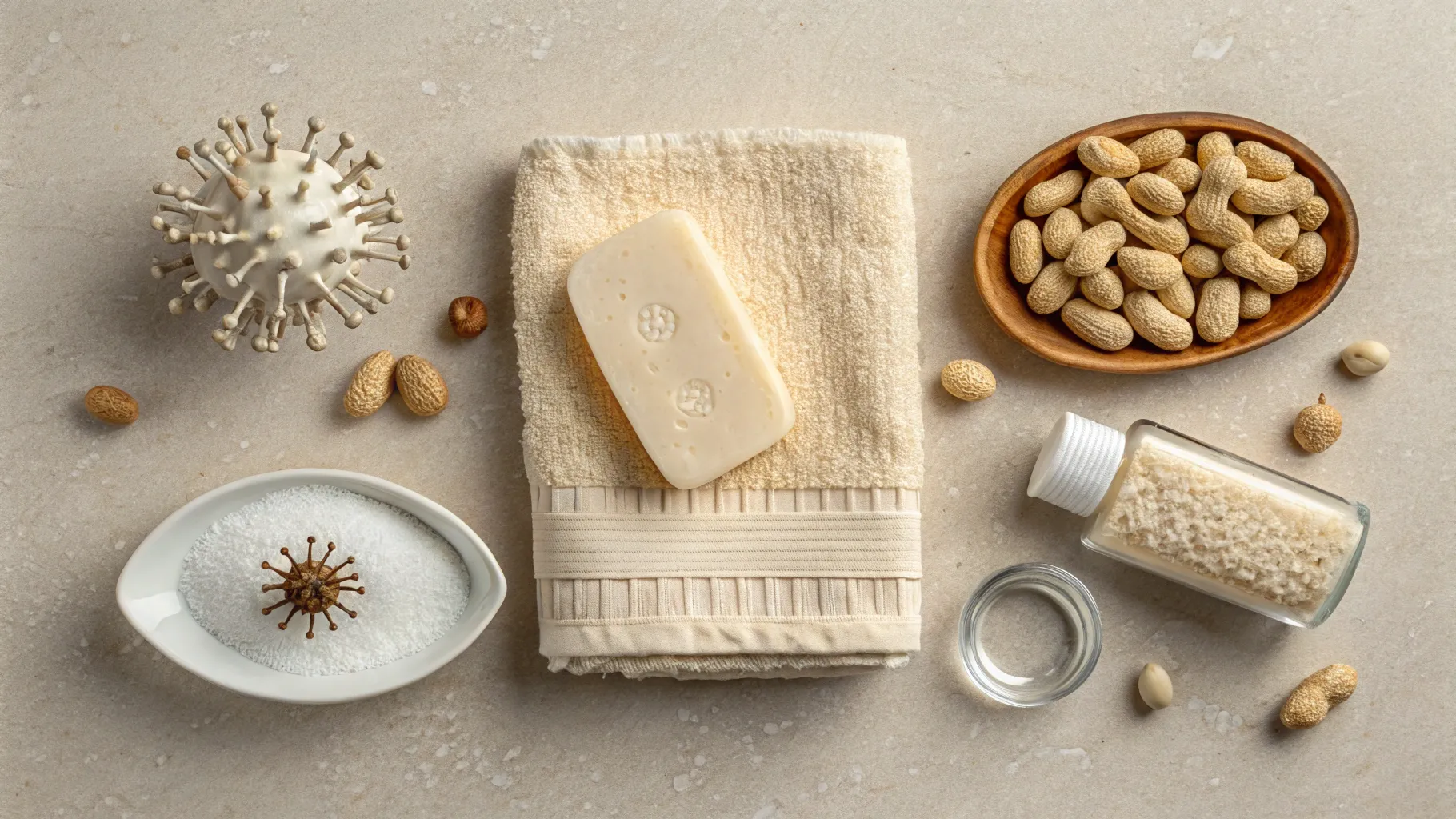
While triggers can be highly individual, several well-documented categories are known to cause problems for many. Understanding this eczema causes list allows you to become a detective for your own skin, systematically identifying and eliminating potential sources of irritation. Below, we break down the most prevalent categories.
1. Environmental and Allergen Triggers
Your immediate surroundings play a significant role. Common environmental culprits include dust mites, pet dander, pollen, and mold. Additionally, changes in weather, especially dry, cold air or sudden shifts in humidity, can strip the skin of its natural moisture and provoke a reaction. This type of environmental exposure is a primary source of skin irritation eczema.
2. Contact and Chemical Irritants
What touches your skin matters immensely. Everyday products can contain harsh chemicals or fragrances that disrupt the skin barrier. Be mindful of laundry detergents, soaps, shampoos, and cleaning products. Certain fabrics, like wool or synthetic materials, can also be abrasive and trigger itching and inflammation.
3. Dietary Factors
For some people, certain foods can cause or worsen eczema flare-ups. The most common dietary triggers include dairy products, eggs, nuts, soy, and gluten. An elimination diet, conducted under the supervision of a healthcare professional, can help determine if food is a contributing factor for you.
4. Stress and Hormonal Changes
The mind-skin connection is powerful. High levels of stress can trigger the body's inflammatory response, leading to a flare-up. Similarly, hormonal fluctuations, particularly in women during their menstrual cycle or pregnancy, can influence eczema symptoms. Learning what triggers eczema internally is just as important as identifying external factors.
Actionable Steps to Avoid Eczema Flare Triggers
Managing eczema is about proactive prevention. By incorporating a few key habits into your daily routine, you can significantly reduce the frequency and severity of flare-ups. Here are some effective strategies to help you avoid common eczema flare triggers:
- Moisturize Daily: Apply a thick, fragrance-free moisturizer immediately after bathing to lock in moisture and support the skin barrier.
- Choose Gentle Products: Opt for hypoallergenic, dye-free, and fragrance-free soaps, detergents, and skincare products.
- Control Your Environment: Use a humidifier in dry climates, vacuum regularly with a HEPA filter, and use allergen-proof covers on bedding to reduce dust mites.
- Keep a Trigger Diary: Track your daily activities, diet, and symptoms to identify patterns and pinpoint your personal triggers.
- Manage Stress: Incorporate stress-reduction techniques like meditation, yoga, or deep breathing exercises into your routine.
Frequently Asked Questions
Can eczema be cured completely?
While there is no known cure for eczema, it can be effectively managed with proper skincare, trigger avoidance, and medical treatments. Many children outgrow the condition, but for adults, it is often a chronic condition that requires ongoing management.
How can I tell if my eczema is infected?
Signs of an infection include increased redness, pain, pus-filled bumps, and yellow or orange crusting on the skin. If you suspect your eczema is infected, it is crucial to see a doctor immediately for proper treatment, which may include antibiotics.
Is it safe to exercise with eczema?
Yes, but sweat can be a trigger for some people. To minimize irritation, wear loose-fitting, breathable clothing, stay hydrated, and rinse off with a lukewarm shower immediately after exercising. Apply moisturizer after your shower.
References
- National Eczema Association - Understanding Triggers
- American Academy of Dermatology (AAD) - Eczema: Causes and Triggers
- Journal of Allergy and Clinical Immunology - The Role of Environmental Factors in Atopic Dermatitis