Causes of Dementia Explained: A Comprehensive Guide to Risk Factors
Fast Facts:
- Primary Cause: Damage to or loss of nerve cells and their connections in the brain.
- There are many different causes and forms of dementia.
Unraveling the Complex Web of Dementia's Origins
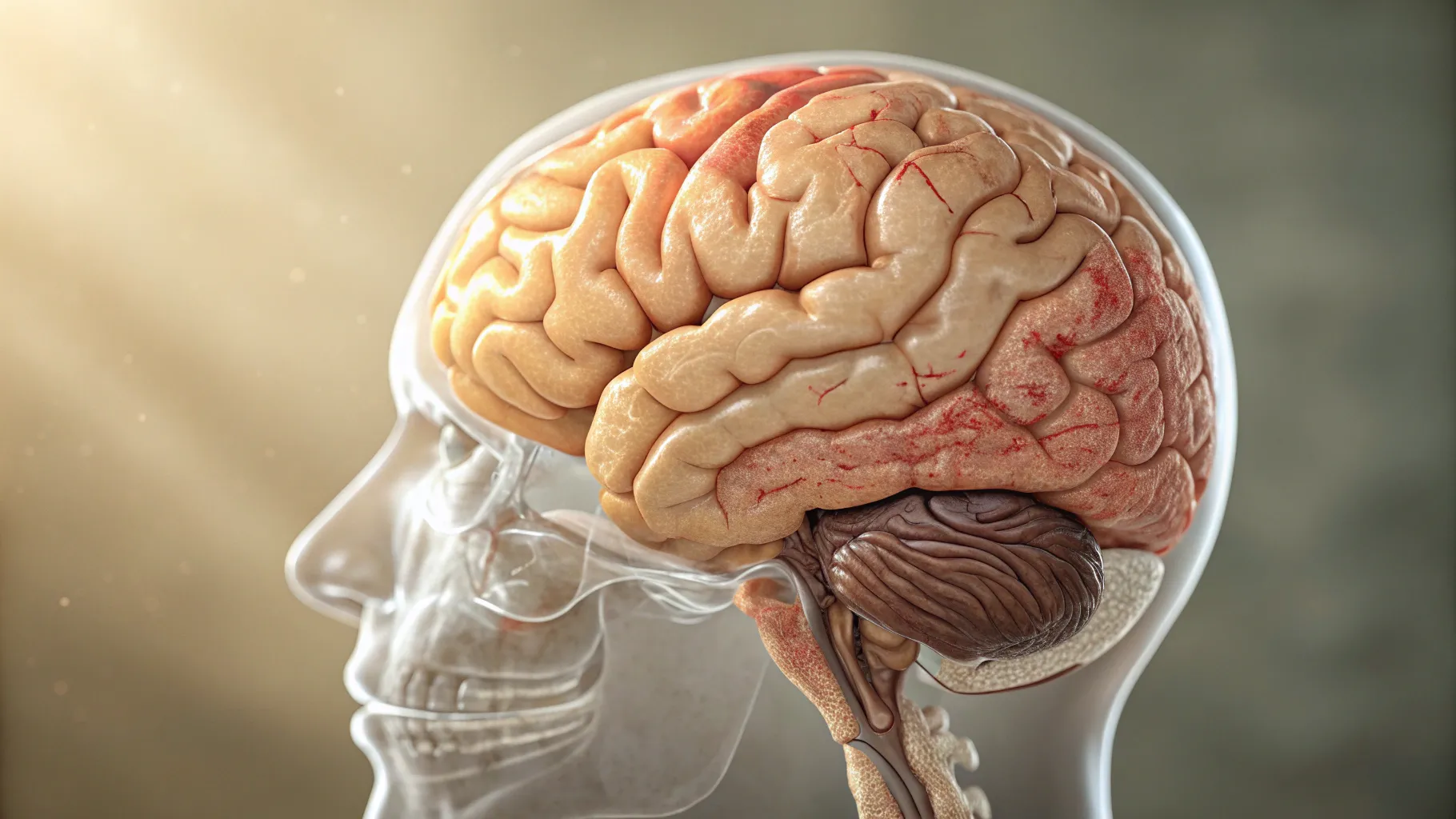
Dementia is not a single disease but a general term for the impaired ability to remember, think, or make decisions that interferes with doing everyday activities. It is a challenging condition affecting millions worldwide, and understanding what causes dementia is the first step toward management and prevention. The condition results from damage to brain cells, which interferes with their ability to communicate with each other. When brain cells cannot communicate normally, thinking, behavior, and feelings can be affected. The brain has many distinct regions, each of which is responsible for different functions. When cells in a particular region are damaged, that region cannot carry out its functions normally, leading to the symptoms we associate with the syndrome.
The Primary Drivers Behind Cognitive Decline
The development of dementia is complex, involving a mix of irreversible and modifiable factors. While age is the biggest known risk factor, it is not a normal part of aging. The following sections explore the most common causes and contributors to this neurocognitive disorder. Reviewing this dementia causes list can provide clarity on the various pathways that lead to its onset.
1. Neurodegenerative Diseases: The Main Culprits
The majority of dementia cases are caused by neurodegenerative diseases, where brain cells progressively die. The most common of these brain disease causes is Alzheimer's disease, which accounts for 60-80% of cases. It's characterized by the buildup of amyloid plaques and tau tangles in the brain. Other examples include Lewy body dementia, where abnormal protein deposits affect brain chemistry, and frontotemporal dementia, which involves the breakdown of nerve cells in the frontal and temporal lobes.
2. Vascular Dementia: When Blood Flow Fails
Vascular dementia occurs due to conditions that damage blood vessels in the brain or interrupt the flow of blood and oxygen. This can happen after a major stroke or through a series of smaller, often unnoticed strokes. The symptoms can appear suddenly or begin gradually. High blood pressure, high cholesterol, and smoking are significant risk factors that contribute to this type of brain damage.
3. Other Key Dementia Development Factors
Beyond the primary causes, several other conditions can lead to dementia symptoms. These include traumatic brain injuries (TBI), particularly repeated ones, infections like HIV, and certain metabolic or endocrine problems. Recognizing the early causes of dementia is crucial, as some conditions, like vitamin deficiencies or thyroid problems, can cause reversible dementia-like symptoms if treated promptly. These are key dementia development factors that require careful medical evaluation.
Proactive Steps for Brain Health and Risk Reduction
While some risk factors like age and genetics cannot be changed, many lifestyle-related factors can be managed to reduce the risk of developing dementia. Adopting brain-healthy habits is beneficial at any age.
- Maintain a Healthy Diet: Focus on a balanced diet rich in fruits, vegetables, whole grains, and lean proteins, such as the Mediterranean diet.
- Engage in Regular Physical Activity: Aim for at least 150 minutes of moderate-intensity aerobic exercise per week.
- Stay Mentally Active: Challenge your mind with puzzles, reading, learning a new skill, or social engagement.
- Manage Cardiovascular Health: Keep blood pressure, cholesterol, and blood sugar levels in check to protect your brain's blood supply.
- Get Quality Sleep: Prioritize consistent, restful sleep as it plays a vital role in clearing toxins from the brain.
Frequently Asked Questions
Is dementia a normal part of aging?
No, dementia is not a normal part of aging. While the risk increases with age, it is a medical condition caused by diseases of the brain. Many people live into their 90s and beyond without any signs of dementia.
Can dementia be cured?
There is currently no cure for most types of progressive dementia, including Alzheimer's disease. However, treatments are available to manage symptoms, and research is ongoing to find more effective therapies and a potential cure.
What are the earliest signs of dementia?
Early signs can be subtle and vary widely. They often include memory problems, particularly remembering recent events, difficulty completing familiar tasks, confusion with time or place, and changes in mood or personality.
References
- World Health Organization (WHO) - Dementia Fact Sheet
- Alzheimer's Association - What Is Dementia?
- National Institute on Aging (NIA) - Causes of Dementia