What Are the Common Causes of Swollen Legs?
Swelling in the legs, ankles, and feet, known medically as peripheral edema, occurs when excess fluid gets trapped in the body's tissues. While it can often be a temporary issue caused by lifestyle factors, it can also be an indicator of a more significant underlying health concern. Understanding the potential causes is the first step in knowing how to approach the situation and when it might be necessary to consult a healthcare professional.
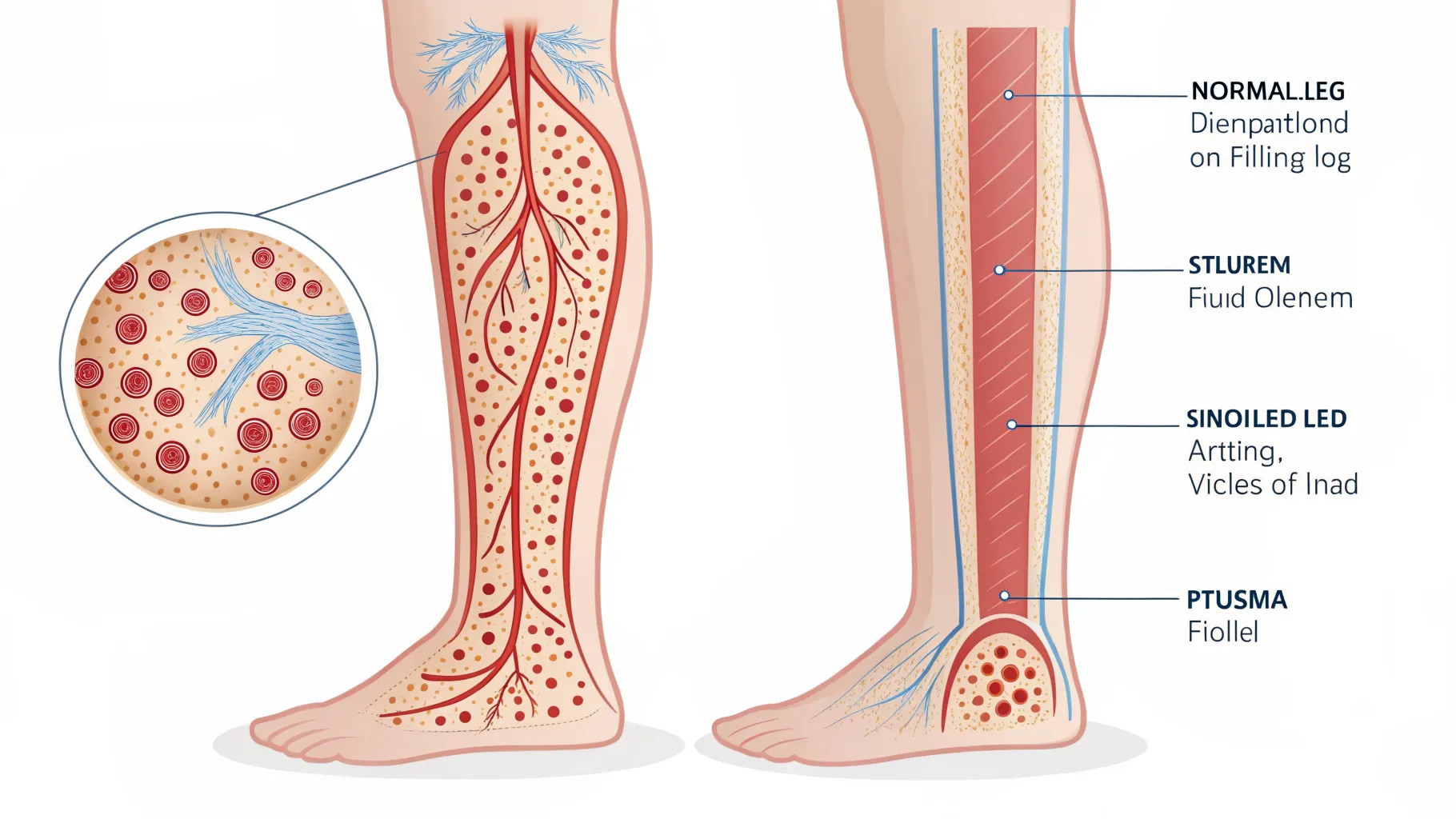
Fluid Retention and Lifestyle Factors
One of the most frequent causes of leg swelling is simple fluid retention. This happens when the body's mechanisms for balancing fluids are temporarily disrupted. Gravity plays a significant role; spending long periods standing or sitting can cause blood and fluid to pool in the lower extremities. This is common for people who work in retail, hospitality, or have long commutes or office jobs.
Certain lifestyle choices can also contribute to this type of swelling. A diet high in sodium can cause the body to retain more water than necessary, leading to puffiness throughout the body, including the legs. Additionally, being overweight can put extra pressure on the circulatory system, making it harder for veins to return blood to the heart. Hot weather can also be a factor, as the body's veins may expand to cool down, allowing fluid to leak into surrounding tissues.
Injury and Inflammation
Direct trauma to the leg or foot is a clear cause of swelling. When you sprain an ankle, strain a muscle, or fracture a bone, the body initiates an inflammatory response. This process involves sending extra blood and immune cells to the injured area to begin the healing process. The increased blood flow and leakage of fluid from blood vessels into the tissue are what cause the characteristic swelling, redness, and warmth around an injury.
Even without a sudden injury, chronic inflammation can lead to swelling. Conditions like tendonitis, bursitis, or arthritis in the knee or ankle joints can cause persistent inflammation and fluid buildup. The swelling in these cases is typically localized to the affected joint or area and is often accompanied by pain and stiffness.
Chronic Venous Insufficiency
Your veins contain tiny, one-way valves that help push blood back up toward your heart against the force of gravity. Chronic venous insufficiency (CVI) is a condition where these valves become damaged or weakened. As a result, they can no longer close properly, allowing blood to leak backward and pool in the leg veins, particularly around the ankles and calves.
This constant pooling of blood increases pressure inside the veins, which can force fluid out into the surrounding tissues, causing edema. Besides swelling, other signs of CVI include varicose veins, a feeling of heaviness or achiness in the legs, and skin changes like discoloration or thickening, often around the ankles. It is a common condition, especially with age.
Lymphedema and the Lymphatic System
The lymphatic system is a crucial part of your circulatory and immune systems. It acts like a drainage network, collecting excess fluid, proteins, and other substances from tissues and returning them to the bloodstream. When this system is blocked or damaged, the fluid, called lymph, cannot drain properly and builds up, causing swelling. This condition is known as lymphedema.
Lymphedema can be caused by the surgical removal of lymph nodes, often as part of cancer treatment, or by damage from radiation therapy. It can also result from infections or other inherited conditions that affect the development of the lymphatic system. The swelling from lymphedema is often persistent and can affect one or both legs.
Underlying Systemic Health Conditions
Persistent leg swelling, especially when it affects both legs, can be a sign that a major organ system is not functioning correctly. Several systemic health problems can lead to widespread fluid retention that becomes most noticeable in the lower extremities due to gravity.
Some of the primary conditions include:
- Congestive Heart Failure: When the heart is too weak to pump blood efficiently, blood can back up in the veins, leading to fluid buildup in the lungs and other parts of the body, including the legs.
- Kidney Disease: Healthy kidneys filter waste and excess fluid from the blood. When they are not working properly, excess fluid and sodium can remain in the body, causing widespread swelling.
- Liver Disease: Advanced liver disease, such as cirrhosis, can lead to a decrease in the production of a protein called albumin. Albumin helps keep fluid inside your blood vessels, and when levels are low, fluid can leak into tissues.
Medications and Other Causes
Sometimes, the cause of swollen legs can be a side effect of a medication you are taking. Different drugs can cause fluid retention for various reasons, and the swelling usually resolves if the medication is stopped or changed under a doctor's guidance. It is important to discuss any side effects with your healthcare provider before making any changes to your prescriptions.
Common types of medications that may cause leg swelling include:
- Certain types of blood pressure medications, like calcium channel blockers.
- Nonsteroidal anti-inflammatory drugs (NSAIDs) such as ibuprofen.
- Steroid medications.
- Hormones like estrogen and testosterone.
- Some medications used to manage diabetes.
Pregnancy is another common cause of leg swelling, as the growing uterus puts pressure on the veins in the pelvis, and hormonal changes can encourage fluid retention.