Watercolor Classes for Beginners Over 60: Your Creative Guide
Facts:
- Learning a new artistic skill can improve cognitive function in older adults.
- There is a growing trend of creative workshops for retirees seeking fulfilling hobbies.
Embracing a New Palette: Getting Started with Watercolors After 60
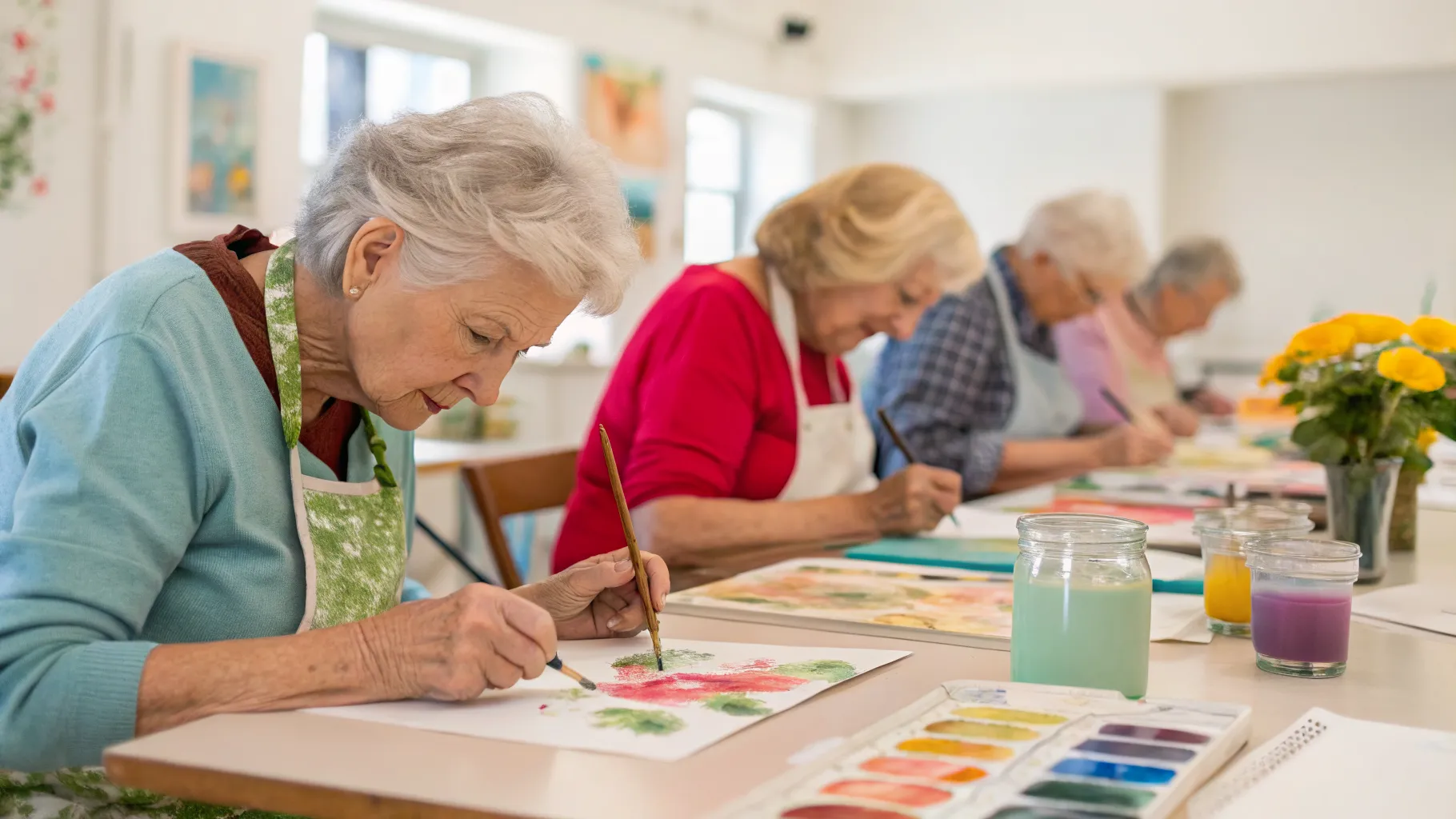
It's never too late to discover a new passion, and for many, the fluid and vibrant world of watercolor painting offers a perfect creative outlet. Engaging in watercolor classes for beginners over 60 is more than just learning to paint; it's an opportunity for self-expression, mental stimulation, and social connection. These courses are specifically designed to be accessible and enjoyable, providing a supportive environment where you can learn watercolor seniors at a comfortable pace, regardless of prior artistic experience. The journey into watercolor is a gentle and rewarding one, promising to add a splash of color to your daily life.
The Unique Benefits of Watercolor for Retirees
Why is watercolor such a popular choice among older adults? Firstly, it's a wonderfully low-impact hobby. It requires minimal physical exertion and the supplies are relatively inexpensive and easy to manage. This makes watercolor painting courses seniors can take an excellent option for those with mobility concerns. Furthermore, the act of painting itself is a meditative practice. The focus required to blend colors and control the water flow can significantly reduce stress and anxiety, promoting a sense of calm and well-being. Many beginner watercolor classes retirees find that the process is just as important as the final product, offering a peaceful escape and a way to engage the mind creatively and gently.
What to Expect in Your First Watercolor Class
Walking into your first class can be exciting, and knowing what to expect can ease any initial apprehension. Most watercolor workshops for older adults begin with the very basics. Instructors will guide you through the essential materials: the different types of paper, brushes, and paints. You'll learn fundamental techniques such as creating a flat wash, a graded wash, wet-on-wet, and wet-on-dry methods. The atmosphere is typically relaxed and non-judgmental, with the goal being exploration rather than perfection. The curriculum in these watercolor classes for beginners over 60 is structured to build your confidence step-by-step, starting with simple subjects like landscapes or florals and gradually moving to more complex compositions as your skills develop.
Choosing Between Online and In-Person Classes
When searching for the right course, you'll encounter both online and in-person options. In-person watercolor painting courses seniors often take place at community centers, local art studios, or continuing education facilities. The primary advantage here is the direct, hands-on guidance from an instructor and the invaluable social interaction with fellow students. It's a fantastic way to build a new social circle. On the other hand, online courses offer unparalleled flexibility, allowing you to learn watercolor seniors from the comfort of your own home and at your own pace. Many online platforms provide pre-recorded video lessons you can watch anytime, as well as live-streamed classes that still offer a sense of community. The best choice depends on your learning style, schedule, and desire for social engagement.
Actionable Tips for Aspiring Senior Watercolorists
As you embark on your artistic journey, keep these tips in mind to make the most of your experience. These pointers are especially helpful for those joining beginner watercolor classes retirees for the first time.
- Invest in Quality Paper: More than paints or brushes, good quality watercolor paper (140 lb. or 300 gsm) will make the biggest difference. It prevents buckling and allows colors to blend beautifully.
- Practice the Basics: Don't rush to create a masterpiece. Spend time practicing basic washes, brush strokes, and color mixing. This foundational skill-building is crucial for your long-term success and enjoyment.
- Embrace Imperfection: Watercolor is known for its happy accidents. Water and pigment have a mind of their own sometimes, and learning to go with the flow is part of the charm. Don't be afraid to make mistakes.
- Join a Community: Whether online or in person, connect with other learners. Sharing your work, discussing challenges, and celebrating successes can be incredibly motivating and enriches the experience of any watercolor workshops for older adults.
- Stay Consistent: Try to paint a little bit each week, even if it's just for 15-20 minutes. Regular practice, a core principle in watercolor classes for beginners over 60, builds muscle memory and keeps your creative mind engaged.
Frequently Asked Questions
Do I need any previous art experience to join watercolor classes for beginners over 60?
Absolutely not. These classes are specifically designed for absolute beginners. Instructors start with the fundamentals, assuming no prior knowledge. The focus is on learning and enjoying the creative process in a supportive environment.
What supplies will I need for beginner watercolor classes for retirees?
Most introductory courses will provide a supply list. Generally, you will need a basic set of watercolor paints (pans or tubes), a few brushes in different sizes, watercolor paper, a palette for mixing colors, two jars for water, and some paper towels or a sponge.
Are watercolor workshops for older adults physically demanding?
Not at all. Watercolor painting is a very gentle activity that can be done while comfortably seated. It requires minimal physical strength, making it an ideal hobby for individuals with varying levels of mobility.
References
- The Journal of Aging and Health: The Impact of Creative Arts on Senior Well-being
- American Art Therapy Association: Benefits of Artistic Expression
- National Institute on Aging: Cognitive Health and Older Adults