Exploring Creative Art and Craft Classes for Seniors
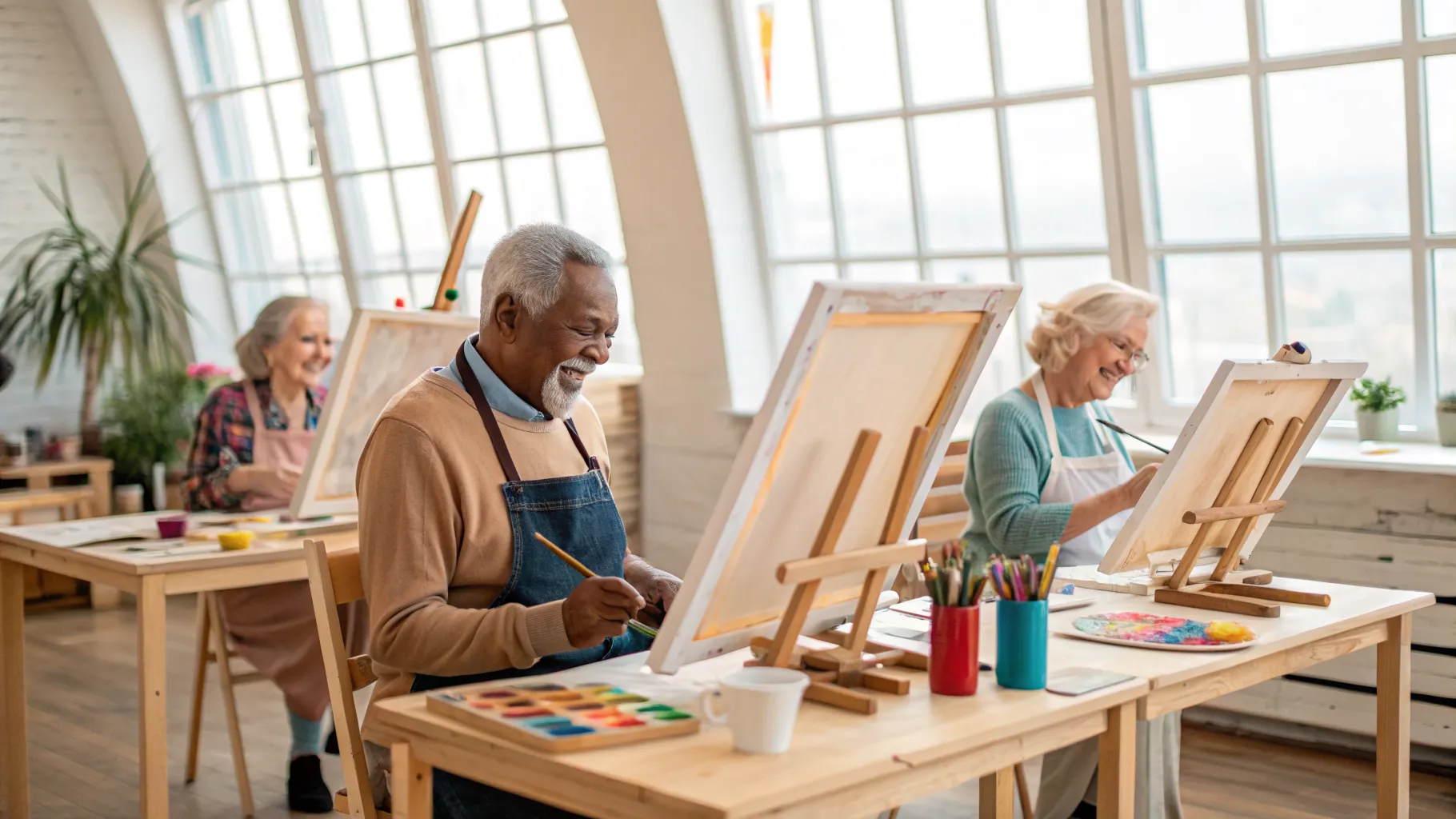
Stepping into the world of art is a fulfilling endeavor that can be enjoyed at any stage of life. Engaging in creative art classes provides a welcoming environment for learning new skills and discovering hidden talents.
The Benefits of Creative Activities in Later Life
Participating in creative art classes provides a multitude of cognitive and emotional benefits for older adults. Engaging in artistic endeavors helps keep the mind sharp by challenging participants to think spatially and solve visual problems. Many studies suggest that learning new skills, such as mixing colors or shaping clay, can improve memory and enhance overall brain function.
Beyond cognitive maintenance, art serves as a powerful tool for emotional expression and stress relief. Working on a craft project allows individuals to focus entirely on the present moment, similar to mindfulness meditation. This focused attention can reduce anxiety and provide a deep sense of accomplishment once a project is completed.
What to Expect from Beginner Classes
For those who have never picked up a paintbrush or a knitting needle, beginner classes are designed to be entirely accessible. Instructors in these creative workshops understand that starting something new can feel intimidating. They typically focus on the foundational basics, breaking down complex techniques into simple, manageable steps that anyone can follow.
- Step-by-step demonstrations of basic techniques
- An introduction to the tools and materials used in the medium
- A relaxed pace that encourages questions and experimentation
- An emphasis on the creative process rather than a perfect final product
Exploring Popular Painting and Drawing Workshops
Watercolor and acrylic painting remain some of the most popular choices for seniors exploring their artistic side. Watercolors are highly favored for their easy cleanup and fluid, unpredictable nature, which encourages a loose and expressive style. Acrylics, on the other hand, dry quickly and can be layered, making them very forgiving for beginners who might want to paint over a mistake.
Drawing classes using graphite, charcoal, or colored pencils offer a highly accessible entry point into the art world. These classes teach fundamental concepts such as shading, perspective, and proportion. Because drawing requires minimal equipment, it is an easy hobby to practice at home between formal class sessions.
The Appeal of Pottery and Sculpting
Working with clay provides a tactile experience that many find deeply rewarding and therapeutic. Pottery classes for seniors often begin with hand-building techniques, such as pinching, coiling, or creating slabs, before moving on to the pottery wheel. Hand-building requires less physical strength and dexterity, making it an excellent starting point for older adults.
Sculpting also helps improve fine motor skills and hand-eye coordination. The physical act of kneading and shaping clay can be beneficial for maintaining joint flexibility, provided it is done in moderation. Participants often enjoy the dual nature of pottery, as it results in items that are both visually appealing and functionally useful in daily life.
Textile Arts and Crafting Opportunities
Textile arts encompass a wide variety of skills, including knitting, crocheting, embroidery, and quilting. These crafts are celebrated for their rhythmic and repetitive motions, which many practitioners find incredibly soothing. Fiber arts classes often foster a strong sense of community, as participants frequently sit together, converse, and share patterns while they work.
Another appealing aspect of textile crafts is their portability. A knitting or crochet project can easily be tucked into a tote bag and taken to a park, a waiting room, or a social gathering. Workshops in these disciplines usually guide beginners through basic stitches before advancing to more complex patterns and garment construction.
How to Find the Right Creative Outlet
Discovering the perfect art or craft class often requires a bit of research and a willingness to try new things. Local community centers, libraries, and adult education programs frequently host affordable or even free creative workshops specifically tailored for older adults. These venues are excellent places to start, as they focus heavily on socialization and community building.
Additionally, many local art supply stores, museums, and dedicated art studios offer learning guides and beginner sessions. When evaluating a potential class, it is helpful to inquire about the class size, the instructor teaching style, and whether materials are provided. Trying a few different mediums can help an individual discover which type of creative expression resonates most with their personal interests and physical capabilities.