The Comprehensive Guide to Arts and Craft Classes in 2026
Exploring the creative landscape has never been more exciting. In 2026, community studios and educational hubs are offering a wide array of options for individuals looking to develop new artistic skills.
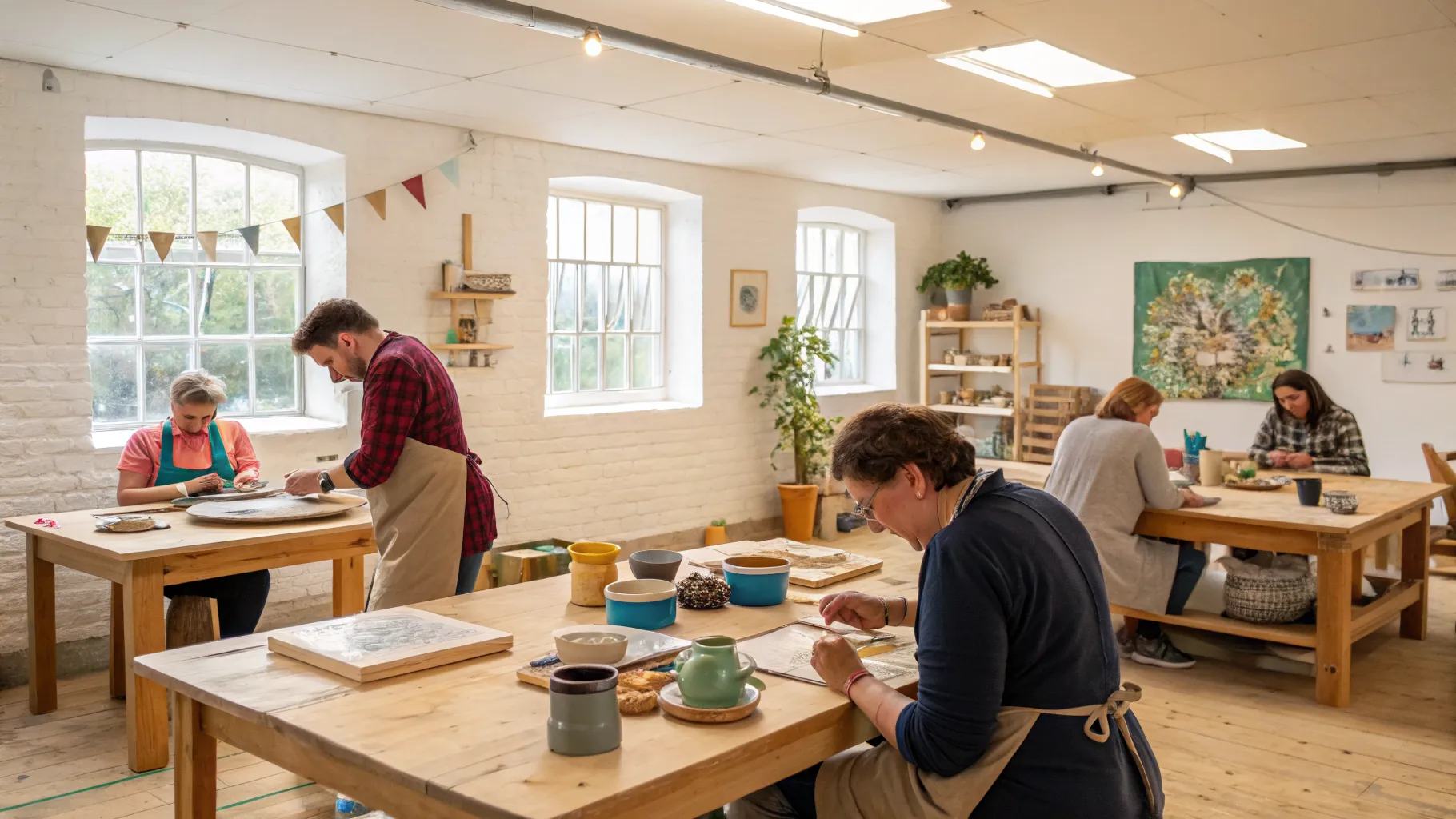
The Evolution of Creative Workshops in 2026
The landscape of creative education has transformed over the past few years. Community centers, independent studios, and global institutions now offer a rich blend of traditional techniques and modern methodologies. By 2026, these creative workshops have become highly accessible, focusing heavily on hands-on experiences combined with flexible scheduling.
A major shift in the current environment is the emphasis on sustainable and locally sourced materials. Instructors are increasingly integrating environmental awareness into their curriculum. This means students are not only learning a new skill but also discovering how to source materials responsibly and minimize waste in their artistic pursuits.
Understanding Different Types of Beginner Classes
For those just starting out, the variety of beginner classes can seem overwhelming. Structured introductory courses typically focus on fundamental techniques, ensuring that students build a strong foundation before moving on to complex projects. These environments are designed to be supportive, removing the pressure of immediate perfection.
- In-person studio sessions that provide hands-on guidance and immediate feedback.
- Hybrid models combining recorded theoretical lessons with live practical workshops.
- Intensive weekend boot camps focused on rapid skill acquisition in a single medium.
- Community-led groups where peer learning is emphasized alongside professional instruction.
Finding the Right Arts and Craft Classes for Your Skill Level
Selecting an appropriate class is crucial for a positive learning experience. Prospective students should carefully read course descriptions to gauge the expected proficiency level. A well-designed learning guide or syllabus will clearly outline prerequisite knowledge, necessary tools, and the specific goals of the curriculum.
It is also beneficial to consider the teaching style of the instructor. Some educators prefer a rigid, step-by-step approach, which is often ideal for complete novices. Others encourage freeform experimentation from day one, appealing to individuals who thrive in a less structured environment. Researching instructor portfolios and previous student reviews can provide valuable insight into these dynamics.
Popular Mediums and Techniques Gaining Traction
In 2026, several specific crafting disciplines have seen a resurgence in popularity. Pottery and ceramics remain highly sought after, with many studios expanding their facilities to accommodate the growing interest in wheel throwing and hand-building techniques. Textile arts, including modern weaving, tufting, and embroidery, have also captured the attention of new crafters looking for tactile experiences.
Beyond traditional disciplines, mixed media and upcycling classes are drawing significant crowds. These workshops teach participants how to combine disparate materials, often repurposing everyday items into functional art. This approach not only lowers the barrier to entry by reducing material costs but also challenges students to think outside conventional artistic boundaries.
The Role of Digital Tools in Traditional Crafting
While the appeal of arts and craft classes lies in physical creation, digital tools have found a comfortable place in the modern studio. 3D modeling software, digital sketching tablets, and computer-controlled cutting machines are now frequently used as preparatory tools. Students often learn how to draft their patterns digitally before executing them by hand.
This integration of technology serves to enhance rather than replace traditional skills. For example, woodworkers might use software to calculate precise joinery dimensions, while jewelers might 3D print a prototype before casting it in metal. Understanding how to navigate these digital aids has become a standard component of comprehensive creative workshops.
Preparing for Your First Creative Workshop
Stepping into a studio for the first time is an exciting milestone. To make the most of the experience, it is important to arrive prepared. This involves not only bringing any required materials but also wearing appropriate clothing that can withstand paint, clay, or other messy substances.
- Review the materials list provided by the instructor and gather supplies well in advance.
- Arrive a few minutes early to set up your workspace and get acquainted with the studio layout.
- Bring a notebook to jot down specific techniques, mixing ratios, or tool names mentioned during the lesson.
- Keep an open mind and embrace mistakes as a natural part of the creative learning process.