Understanding Tingling and Nerve Pain in Your Legs
Experiencing a tingling sensation or sharp, shooting pains in your legs can be unsettling. These symptoms, often described as 'pins and needles' or a burning feeling, are common and can stem from a wide variety of causes. Understanding the potential reasons behind this discomfort is the first step toward finding relief and addressing any underlying issues.
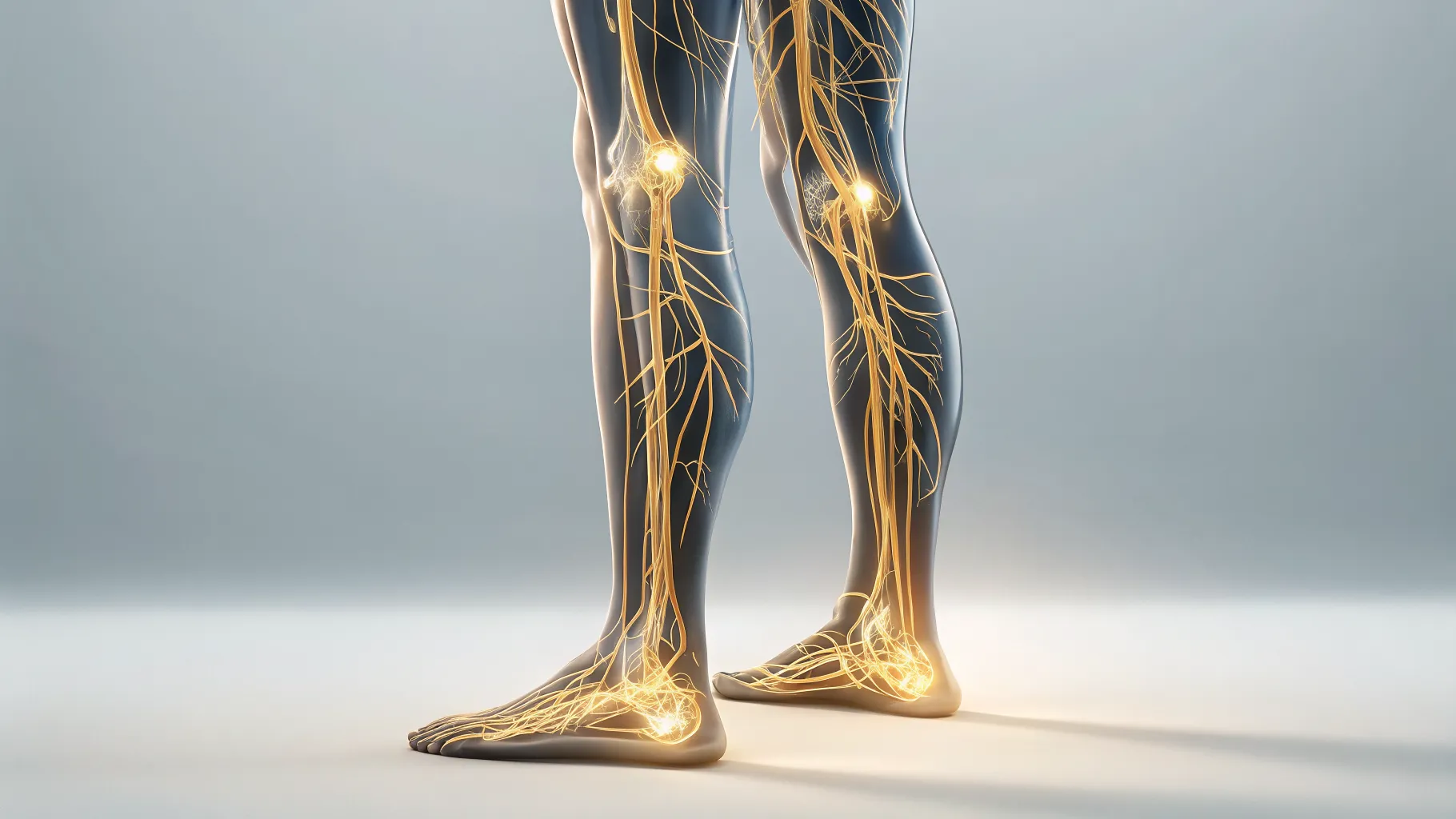
What are Tingling and Nerve Pain?
Tingling, medically known as paresthesia, is an abnormal sensation that can feel like pins and needles, numbness, prickling, or itching. It typically occurs when pressure is placed on a nerve, temporarily interfering with its function, much like when your foot 'falls asleep'. While often temporary and harmless, persistent paresthesia can indicate an underlying nerve issue.
Nerve pain, or neuropathic pain, is different from the pain you might feel from a cut or a pulled muscle. It's caused by damage or dysfunction within the nervous system itself. People often describe this pain as burning, shooting, stabbing, or electric-shock-like. It can be constant or intermittent and may occur without any obvious injury.
Common Causes of Nerve Issues in the Legs
A wide range of conditions can lead to tingling and nerve pain in the legs. The source of the problem can be in the lower back, where the leg nerves originate, or it can be due to a more systemic issue affecting nerves throughout the body. Identifying the cause is crucial for proper management.
- Pinched Nerves: Conditions like a herniated disc or spinal stenosis in the lower back can compress nerves that travel down into the legs, a common cause of sciatica.
- Peripheral Neuropathy: This refers to damage to the peripheral nerves, which are the nerves outside of the brain and spinal cord. Diabetes is a very common cause of peripheral neuropathy.
- Vitamin Deficiencies: A lack of certain vitamins, particularly B12, B6, B1, and E, can impact nerve health and lead to these symptoms.
- Circulation Problems: Poor blood flow, such as in peripheral artery disease (PAD), can deprive nerves of oxygen, causing pain and numbness.
- Autoimmune Diseases: Conditions like multiple sclerosis, lupus, and rheumatoid arthritis can cause the immune system to attack nerves.
Sciatica and Pinched Nerves
One of the most frequent culprits behind nerve pain that radiates down the leg is sciatica. This term describes pain that travels along the path of the sciatic nerve, which branches from your lower back through your hips and buttocks and down each leg. Sciatica is a symptom, not a condition in itself, and it points to an underlying issue pressing on the nerve.
The most common causes of this nerve compression are a herniated or slipped disc in the lumbar spine, which can bulge out and irritate the nearby sciatic nerve root. Another cause is spinal stenosis, a narrowing of the spinal canal that can put pressure on the nerves. Bone spurs on the vertebrae can also contribute to this compression, leading to the characteristic shooting pain, tingling, and numbness associated with sciatica.
Peripheral Neuropathy Explained
Peripheral neuropathy is a broader term that encompasses damage to the peripheral nervous system. This intricate network of nerves connects the central nervous system (the brain and spinal cord) to the rest of the body, including the arms, legs, hands, and feet. When these nerves are damaged, they can't function properly, leading to pain, tingling, numbness, and weakness, often starting in the feet and legs.
While diabetes is the leading cause of peripheral neuropathy in many parts of the world due to the damaging effects of high blood sugar on nerves over time, it is not the only one. Other potential causes include chronic alcohol use, certain infections, exposure to toxins, traumatic injuries, and some autoimmune disorders. In some cases, a specific cause cannot be identified, which is known as idiopathic neuropathy.
When to Seek Medical Advice
Occasional tingling from sitting in an awkward position is usually not a cause for concern. However, if the tingling or nerve pain in your legs is persistent, severe, or worsening over time, it is important to consult a healthcare professional for an accurate diagnosis. Ignoring these symptoms could allow an underlying condition to progress.
You should seek prompt medical attention if your leg symptoms are accompanied by any of the following:
- The symptoms began suddenly after an accident or injury to your back, head, or neck.
- You experience muscle weakness or are unable to move the affected leg.
- You have difficulty walking or maintaining your balance.
- The pain or tingling spreads rapidly.
- You lose control of your bladder or bowels.
Diagnosis and General Management Approaches
To determine the cause of your symptoms, a doctor will likely start with a thorough physical examination and a review of your medical history. They may ask detailed questions about your symptoms, lifestyle, and any other health conditions you have. To get a clearer picture, they might recommend further tests. These can include blood tests to check for vitamin deficiencies or diabetes, nerve conduction studies to measure how well your nerves are functioning, or imaging tests like an MRI or X-ray to look for structural problems like a herniated disc.
Once a cause is identified, a management plan can be developed. The primary goal is often to address the underlying condition, whether that involves managing blood sugar levels for diabetes, correcting a vitamin deficiency, or addressing a spinal issue. General approaches may also include physical therapy to improve strength and flexibility, lifestyle modifications like regular exercise and a balanced diet, and various techniques to help manage the pain and discomfort.