A Complete Guide to Creative Workshops for Over 60s
Entering a new phase of life after 60 can be an exciting opportunity to explore new passions and rediscover old hobbies. Creative workshops offer a structured and social way to learn a new skill, engage your mind, and connect with like-minded individuals. Whether you've always wanted to paint, write a memoir, or try your hand at acting, there is a workshop out there to suit your interests.
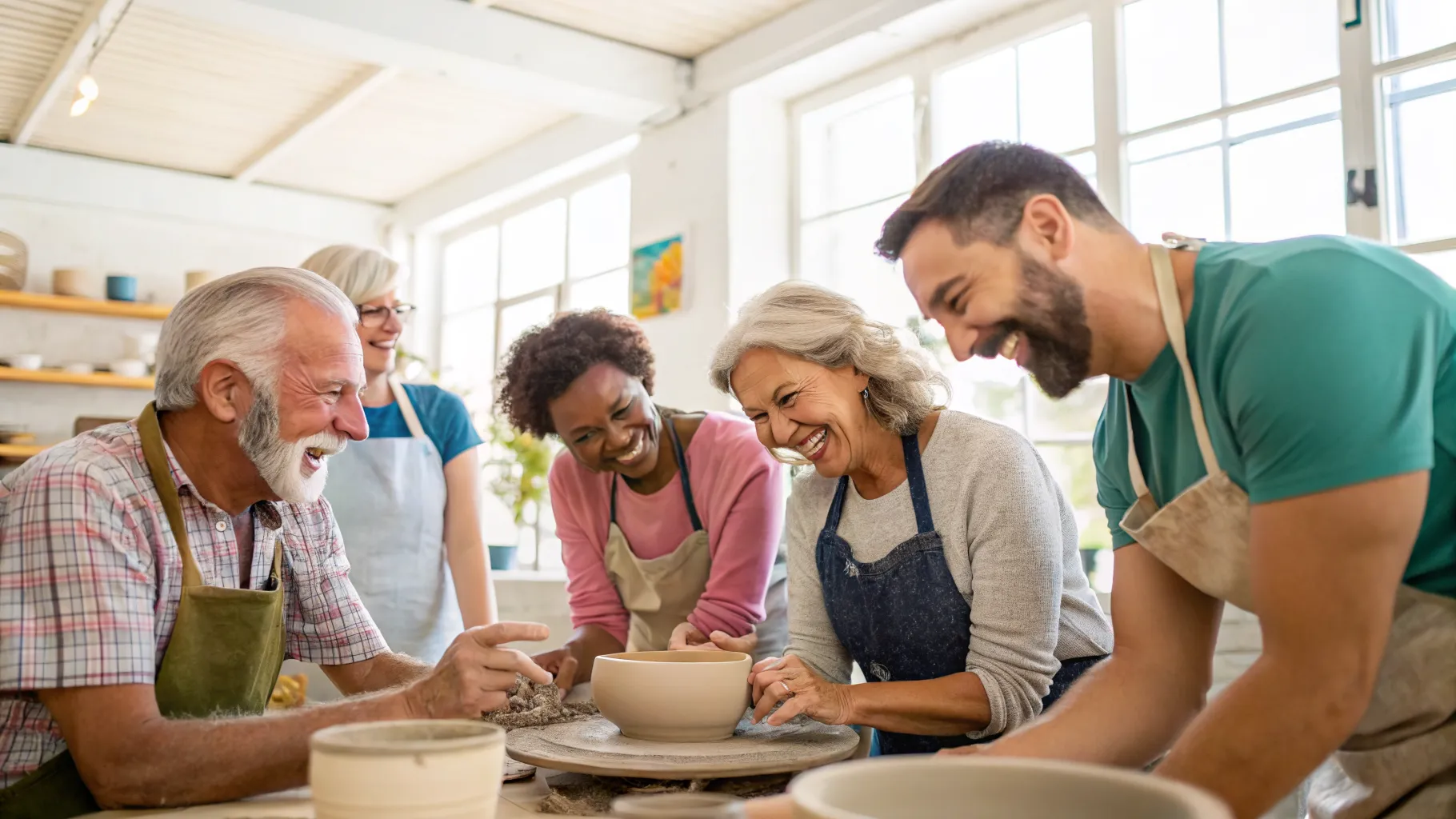
The Benefits of Creative Engagement Later in Life
Participating in creative activities offers a wealth of benefits that are particularly valuable for older adults. Engaging in arts and crafts can help maintain and improve cognitive function. Learning new techniques, following patterns, and solving creative problems are excellent exercises for the brain, potentially enhancing memory and sharpening mental acuity.
Beyond the cognitive advantages, creative workshops provide significant social and emotional boosts. They offer a fantastic way to meet new people and build a sense of community, which can combat feelings of isolation. The act of creating something with your own hands can also be incredibly rewarding, fostering a sense of accomplishment, reducing stress, and improving overall mood and well-being.
Types of Art and Craft Workshops Available
The variety of hands-on art and craft workshops is immense, catering to nearly every interest and skill level. Visual arts are a popular choice, with many classes focused on painting with watercolors, acrylics, or oils. Other options include drawing, sculpture, and pottery, all of which provide a wonderful outlet for self-expression and help improve fine motor skills.
If you prefer working with different materials, you might explore workshops centered on textiles or other crafts. Many community centers and specialty shops offer classes in a range of activities, including:
- Knitting, quilting, or weaving
- Jewelry making and beading
- Woodworking or wood carving
- Photography, from beginner basics to advanced techniques
- Floral arrangement or gardening
Exploring Writing and Literary Workshops
For those who have a story to tell or a love for words, writing workshops can be an incredibly fulfilling experience. These groups provide a supportive and encouraging environment to explore different forms of writing. Many workshops are tailored specifically for older adults who are interested in documenting their life experiences through memoir writing.
In a typical writing workshop, you can expect a mix of instruction, writing prompts, and opportunities to share your work with the group for constructive feedback. Beyond memoirs, you can often find classes focused on poetry, short fiction, or even playwriting. It’s a powerful way to organize your thoughts, preserve memories, and connect with others on a deeper level.
The World of Performing Arts Workshops
If you're looking to step into the spotlight or simply build confidence, performing arts workshops offer an active and engaging creative outlet. These classes are often less about technical perfection and more about having fun, expressing yourself, and working together as a group. Many programs are designed to be low-impact and accessible to all physical ability levels.
The options in performing arts are quite diverse. You might consider joining a community choir to experience the joy of group singing. Acting and improvisation classes are excellent for sharpening your wits and building communication skills in a playful setting. You can also find dance workshops tailored for seniors, such as ballroom, line dancing, or gentle movement classes set to music.
How to Find the Right Workshop for You
Finding local creative workshops is often easier than you might think. A great place to start is your local senior center, community recreation center, or public library, as they frequently host affordable classes. Local colleges often have continuing education departments with a wide variety of courses open to the public, including many in the arts.
When choosing a workshop, consider a few key factors. Think about the time commitment, cost, and location. It's also wise to inquire about the skill level the class is aimed at; most are beginner-friendly, but it's always good to check. If possible, learn about the instructor's style to see if it's a good fit. Don't be afraid to try a one-day taster session before committing to a multi-week course.
What to Expect From Your First Workshop
Walking into a new class for the first time can feel intimidating, but remember that most creative workshops for adults are designed to be welcoming and non-judgmental. The goal is to learn and enjoy the creative process, not to produce a masterpiece on your first try. Your fellow participants are there for the same reason you are: to learn something new and have a good time.
A typical first session usually involves introductions, an overview of what you'll be learning, and a simple warm-up activity to get everyone comfortable. The instructor will provide guidance and support, and all necessary materials are often supplied or clearly listed beforehand. The atmosphere is usually collaborative and social, so relax, be open to the experience, and enjoy the journey of unlocking your creativity.