7 Common Carpet Cleaning Methods Explained
Keeping carpets clean is essential for a healthy and attractive home. Over time, they accumulate dirt, dust, allergens, and stains that regular vacuuming can't remove. Fortunately, there are several cleaning methods available, each with its own set of advantages and applications. Understanding these techniques can help you decide which approach is best for your specific needs, whether you're tackling a small spill or scheduling a deep clean.
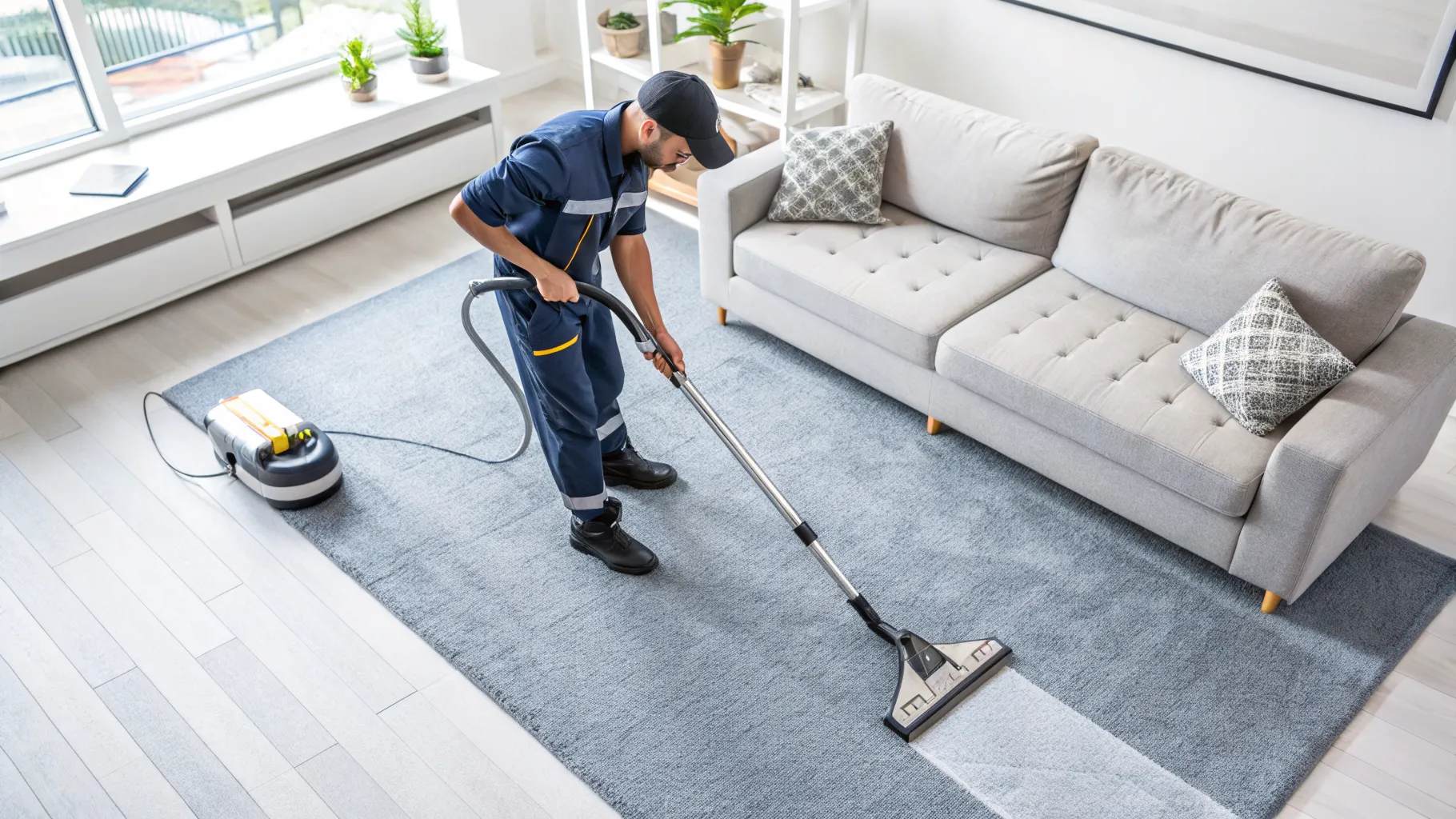
Hot Water Extraction (Steam Cleaning)
Often referred to as steam cleaning, hot water extraction is a popular and highly effective method used by many professionals. This technique involves injecting a mixture of hot water and cleaning solution into the carpet fibers at high pressure. A powerful vacuum then almost immediately extracts the water, along with the dislodged dirt, soil, and allergens.
This method is favored for its ability to provide a very deep clean, reaching dirt that is buried deep within the carpet pile. It is excellent for removing stubborn stains, eliminating odors, and sanitizing the carpet. However, a significant drawback is the drying time, which can range from a few hours to a full day. If not done correctly, over-wetting can lead to mold or mildew growth, so hiring an experienced professional is often recommended.
Dry Carpet Cleaning
Dry carpet cleaning, also known as compound cleaning, is a very low-moisture method. It involves spreading a biodegradable cleaning compound, which looks like a powder or sawdust, evenly over the carpet. A machine with rotating brushes is then used to agitate the compound, working it deep into the fibers where it absorbs dirt and grime.
After the compound has been worked into the carpet for a short period, it is thoroughly vacuumed up, taking the trapped dirt with it. The primary advantage of this method is the lack of drying time; the carpet is ready to be walked on immediately after cleaning. It's a great option for commercial spaces or homes that need a quick, convenient clean. However, it may not be as effective for deep-seated stains or heavily soiled carpets compared to wet methods.
Carpet Shampooing
Carpet shampooing is one of the more traditional methods of carpet cleaning. It uses a specially formulated shampoo that is applied to the carpet and whipped into a foam using a machine with rotating brushes. The idea is that the foam will trap dirt and suspend it until it can be vacuumed away after the carpet dries.
While shampooing can be effective for heavily soiled carpets, it has fallen out of favor with many professionals because it can leave behind a sticky soap residue. This residue can actually attract more dirt over time, causing the carpet to become soiled again more quickly. Modern advancements in cleaning technology have led to more efficient methods, but shampooing is still an available option.
Encapsulation
Encapsulation is a low-moisture cleaning technology that uses synthetic polymers in its cleaning solution. When the solution is applied to the carpet, the polymers crystallize around dirt particles, 'encapsulating' them. Once the solution dries, the crystallized dirt and polymer can be easily removed through regular vacuuming.
This method is known for being efficient and having a fast drying time, often in less than an hour. It does not leave behind a sticky residue, which helps keep the carpet cleaner for longer. Encapsulation is a popular choice for commercial maintenance cleaning in high-traffic areas. Its main limitation is that it may not be as effective on heavy grease or oil-based stains.
Bonnet Cleaning
Bonnet cleaning is primarily a surface-level cleaning method often used for light maintenance in commercial settings like hotels and offices. It involves a rotary floor machine equipped with a large, absorbent pad, or 'bonnet,' which has been soaked in a cleaning solution. As the machine moves over the carpet, the bonnet spins and absorbs dirt from the top layer of the carpet fibers.
The main advantage of bonnet cleaning is its speed and very fast drying time, making it ideal for situations where carpets need to look clean quickly. However, it does not provide a deep clean. A common criticism is that it can push dirt deeper into the carpet pile rather than removing it, leading to a build-up of soil at the base of the fibers over time.
Dry Foam Cleaning
Dry foam cleaning is somewhat of a hybrid between shampooing and dry cleaning. A special cleaning foam is applied to the carpet, which is then agitated with brushes to work it into the fibers. The foam is formulated to have a low moisture content, so it encapsulates dirt without soaking the carpet backing. Once it dries, the residue and dirt are removed with a vacuum.
This method uses less water than traditional shampooing or hot water extraction, resulting in shorter drying times. It can be more effective than purely dry methods for certain types of soiling. The key is to ensure all of the dried foam residue is thoroughly vacuumed to prevent it from attracting new dirt.
DIY Spot Cleaning Solutions
For small spills and minor stains, do-it-yourself spot cleaning can be very effective if done correctly. Many household ingredients can serve as gentle and effective cleaners when you act quickly. The key is to address spills as soon as they happen to prevent them from setting into the carpet fibers.
When tackling a spot, always test your cleaning solution on an inconspicuous area first, such as inside a closet. Here are a few tips for effective spot cleaning:
- Always blot a fresh stain with a clean, dry cloth. Never rub, as this can spread the stain and damage carpet fibers.
- A simple solution of white vinegar and water can be effective on many types of stains.
- Baking soda is excellent for absorbing spills and neutralizing odors. Sprinkle it on, let it sit, and then vacuum it up.
- Club soda can be used to lift certain stains immediately after they occur.