Understanding the Progression of Bladder Cancer
Bladder cancer is a condition where abnormal cells grow uncontrollably in the bladder lining. Understanding how this disease develops and progresses is crucial for navigating diagnosis and treatment. The progression varies significantly from person to person, depending on the type and stage of the cancer at diagnosis. This guide provides an overview of the stages, symptoms, and management approaches related to bladder cancer's progression.
What Are the Stages of Bladder Cancer?
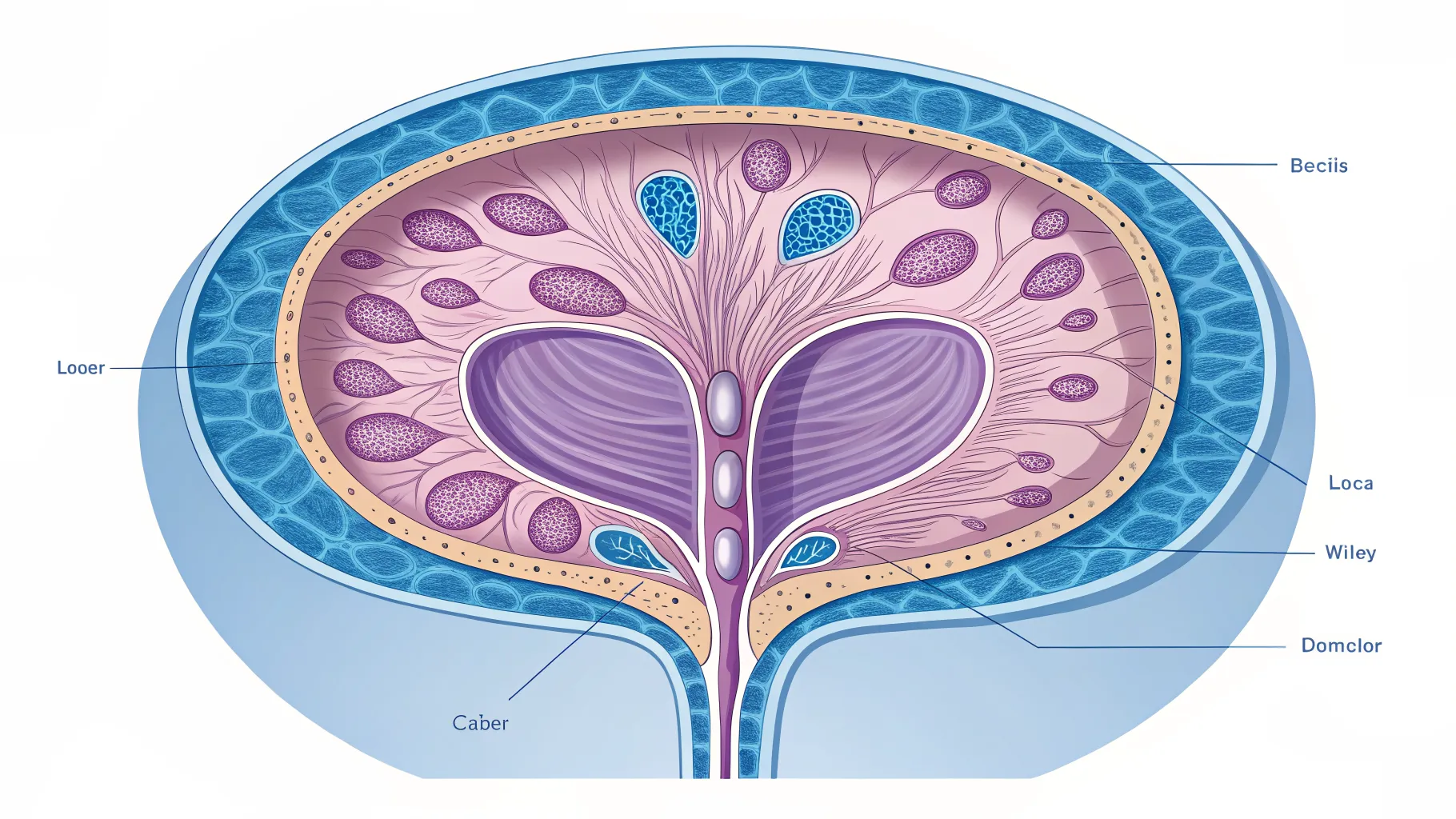
Staging is a critical process that helps medical professionals understand how far the cancer has progressed. It describes the size of the tumour and whether it has spread beyond the bladder. The most common staging system looks at how deeply the tumour has invaded the bladder wall and if it has spread to lymph nodes or distant organs. This helps determine the most appropriate course of action.
Bladder cancer is broadly categorised into two main groups based on its progression into the bladder wall. Non-muscle-invasive bladder cancer (NMIBC) is confined to the inner layer of cells lining the bladder. Muscle-invasive bladder cancer (MIBC) is more advanced, having grown into the deeper muscle layer of the bladder wall. From there, it has the potential to spread to other parts of the body, which is known as metastatic bladder cancer.
Symptoms and Timeline of Progression
The symptoms of bladder cancer can change as the disease progresses. In the early stages, the most common sign is blood in the urine, which may appear pink, red, or cola-coloured. Other early symptoms can include changes in urinary habits, such as needing to urinate more often, pain or a burning sensation during urination, or feeling the need to urinate without being able to do so. These symptoms can also be caused by non-cancerous conditions, so a proper medical evaluation is important.
As bladder cancer advances and potentially spreads, symptoms may become more pronounced and affect other parts of the body. If the tumour grows large enough to block the flow of urine, it can cause pain in the lower back or side. If the cancer metastasizes, symptoms will depend on where it has spread. For example, it could cause bone pain, unexplained weight loss, fatigue, or swelling in the feet.
How Is Bladder Cancer Progression Monitored?
Regular monitoring is a key part of managing bladder cancer, especially because it has a tendency to recur. The goal of tracking the cancer is to detect any changes or new tumours as early as possible. The methods used for monitoring depend on the initial stage and grade of the cancer. A healthcare team will establish a follow-up schedule tailored to the individual's situation.
Several procedures and tests are used to track the progression of bladder cancer. These may include:
- Cystoscopy: A thin tube with a camera is inserted into the bladder to visually inspect the lining for any new growths. This is the primary method for monitoring.
- Urine Tests: Samples of urine may be examined under a microscope (urine cytology) or tested for specific substances (tumour markers) that can indicate the presence of cancer cells.
- Imaging Scans: Scans like a CT urogram or an MRI can create detailed images of the urinary tract and surrounding tissues to check if the cancer has spread outside the bladder.
Treatment Options at Different Stages
Treatment for bladder cancer is highly dependent on its stage. For non-muscle-invasive bladder cancer, the primary treatment is often a procedure called a transurethral resection of bladder tumour (TURBT). This involves removing the tumour from the bladder lining. Following this, intravesical therapy, where medication is put directly into the bladder, may be used to help prevent the cancer from returning.
For muscle-invasive bladder cancer, treatments are typically more intensive. A common approach is the surgical removal of the bladder, known as a radical cystectomy. In some cases, a combination of chemotherapy and radiation therapy may be used as an alternative to preserve the bladder. For metastatic bladder cancer that has spread to distant parts of the body, systemic treatments like chemotherapy, immunotherapy, or targeted therapy are the main options. These treatments travel through the bloodstream to reach cancer cells throughout the body.
Managing Life with Bladder Cancer
Living with a bladder cancer diagnosis involves more than just medical treatment. It requires managing physical symptoms, emotional challenges, and changes to daily life. For individuals who undergo a cystectomy, adapting to a new way of passing urine, such as with a urostomy bag or an internal pouch, is a significant adjustment. Support from healthcare professionals, including stoma nurses and counsellors, is vital during this time.
Emotional and psychological support is equally important. Connecting with support groups, either in person or online, can provide a sense of community and a space to share experiences with others who understand the journey. Open communication with family, friends, and the medical team can help manage the stress and uncertainty that often accompany a cancer diagnosis and its ongoing monitoring.
Care for Advanced Bladder Cancer
When bladder cancer reaches an advanced stage, the focus of care may shift towards managing symptoms and maintaining the best possible quality of life. This is often referred to as palliative care, which can be provided alongside active cancer treatments. The goal is to relieve symptoms like pain, fatigue, and nausea, as well as to provide psychological and spiritual support.
In the UK, care for advanced bladder cancer is delivered by a multidisciplinary team that may include oncologists, palliative care specialists, specialist nurses, therapists, and social workers. This team works together to create a comprehensive care plan that addresses the patient's physical needs and personal wishes. Services like hospice care may also be available to provide specialised support for both patients and their families, focusing on comfort and dignity.