Understanding the Common Causes of Swollen Ankles
Swollen ankles, also known as edema, occur when excess fluid accumulates in the tissues surrounding the ankle joint. While often temporary and harmless, persistent or sudden swelling can sometimes signal an underlying medical issue that requires attention. Understanding the potential causes is the first step toward addressing the discomfort and identifying if a visit to a healthcare professional is necessary.
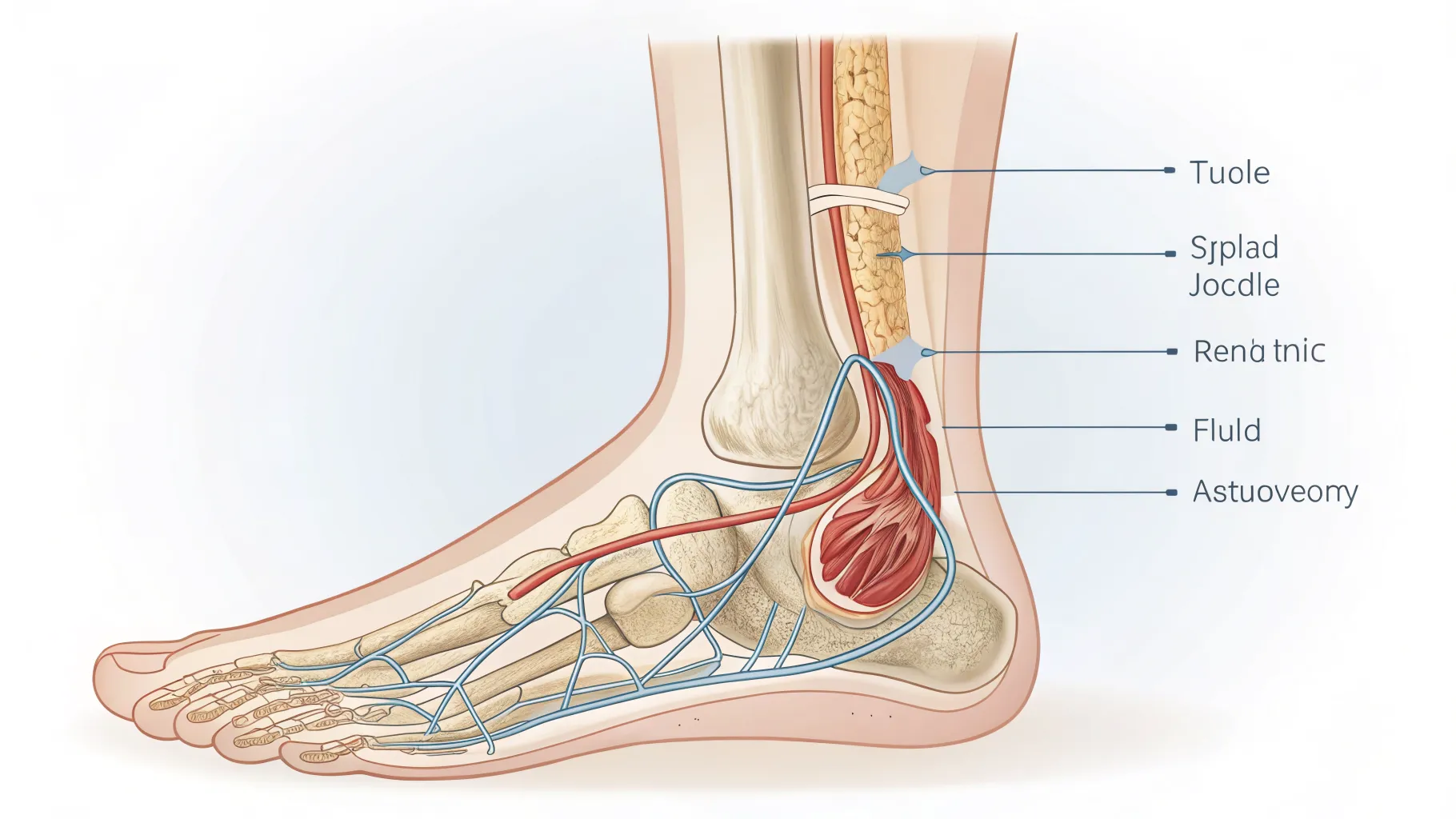
Fluid Retention from Prolonged Standing or Sitting
One of the most frequent causes of swollen ankles is gravity-dependent edema. When you stand or sit in one position for an extended period, gravity can cause blood and fluid to pool in your lower extremities. This is common after long flights, car rides, or for individuals whose jobs require them to be on their feet all day without much movement.
The circulatory system relies on muscle contractions in the legs to help pump blood back up to the heart. Without this movement, the fluid can leak out of the blood vessels and settle in the surrounding tissues, leading to noticeable swelling in the ankles and feet. Simple exercises like flexing the ankles or taking short walking breaks can often help alleviate this type of swelling by stimulating circulation.
Injury to the Foot or Ankle
An injury is a direct and immediate cause of swelling. A sprain, strain, or fracture in the ankle or foot triggers the body's inflammatory response. During this process, the body sends an increased amount of fluid and white blood cells to the injured area to begin the healing process. This influx of fluid results in localized swelling, pain, and sometimes bruising.
Ankle sprains, which occur when the ligaments supporting the joint are stretched or torn, are a particularly common culprit. The severity of the swelling often corresponds to the severity of the injury. Proper care, often including rest, ice, compression, and elevation (the RICE method), is typically recommended to manage the swelling and support healing.
Lifestyle and Dietary Influences
Certain lifestyle habits can contribute significantly to fluid retention and swollen ankles. A diet high in sodium is a primary factor, as salt causes the body to hold on to excess water. Reducing the intake of processed foods, fast food, and table salt can make a noticeable difference for many people who experience regular swelling.
Being overweight can also place extra pressure on the veins in your lower body, impairing circulation and leading to fluid buildup. Similarly, pregnancy naturally increases the amount of fluid in the body and puts pressure on the veins, making swollen ankles a very common symptom, especially in the third trimester. While usually harmless, sudden or excessive swelling during pregnancy should be discussed with a doctor.
Side Effects of Certain Medications
Ankle swelling can be an unintended side effect of various prescription medications. The way these drugs cause swelling varies, but it often relates to their effects on blood vessels, kidney function, or hormonal balance. It is important to be aware of the potential side effects of any medication you are taking.
Some common types of drugs that may cause lower leg and ankle swelling include:
- Certain types of blood pressure medications, like calcium channel blockers.
- Nonsteroidal anti-inflammatory drugs (NSAIDs).
- Steroids.
- Hormone therapies, such as estrogen or testosterone.
- Some antidepressants.
Underlying Medical Conditions
Persistent or unexplained ankle swelling can sometimes be a sign of a more serious health problem. Several chronic conditions interfere with the body's ability to manage fluid balance, leading to systemic edema. For example, congestive heart failure weakens the heart's pumping ability, causing blood to back up in the veins and fluid to accumulate in the legs.
Kidney disease and liver disease can also lead to widespread fluid retention. When the kidneys aren't functioning properly, they can't filter fluid and waste effectively. Liver damage, such as cirrhosis, can lead to lower levels of certain proteins in the blood, which disrupts fluid balance. Another serious cause is a blood clot, or deep vein thrombosis (DVT), in the leg, which obstructs blood flow and causes swelling, typically in just one leg.
When to Seek Professional Advice
While occasional, mild swelling that resolves with rest and elevation is often not a cause for alarm, certain symptoms warrant a consultation with a healthcare provider. If swelling is persistent, affects only one ankle, is painful, or is accompanied by other symptoms, it's important to get it checked out.
You should seek immediate medical attention if your swollen ankles are accompanied by symptoms such as shortness of breath, chest pain, or dizziness, as this could indicate a serious heart condition or a pulmonary embolism. Likewise, if the swollen area is red, warm to the touch, or you have a fever, it could be a sign of an infection or a blood clot that requires prompt treatment.