Tinnitus Treatment Options: Exploring What Actually Helps for Ringing in Ears
Facts:
- Tinnitus affects over 50 million Americans.
- Incidence of chronic ringing in ears shows a slight increase for adults over 65.
Understanding Tinnitus and the Quest for Relief
Tinnitus, often described as a constant or intermittent ringing, buzzing, or hissing sound in the ears, can significantly impact quality of life. For many, finding effective tinnitus treatment options is a crucial pursuit, as the condition can interfere with sleep, concentration, and overall well-being. This guide delves into various strategies and therapies that have shown promise in providing substantial tinnitus relief, helping individuals manage and potentially reduce the bothersome sounds they experience.
Modern Approaches to Tinnitus Management and Sound Therapy
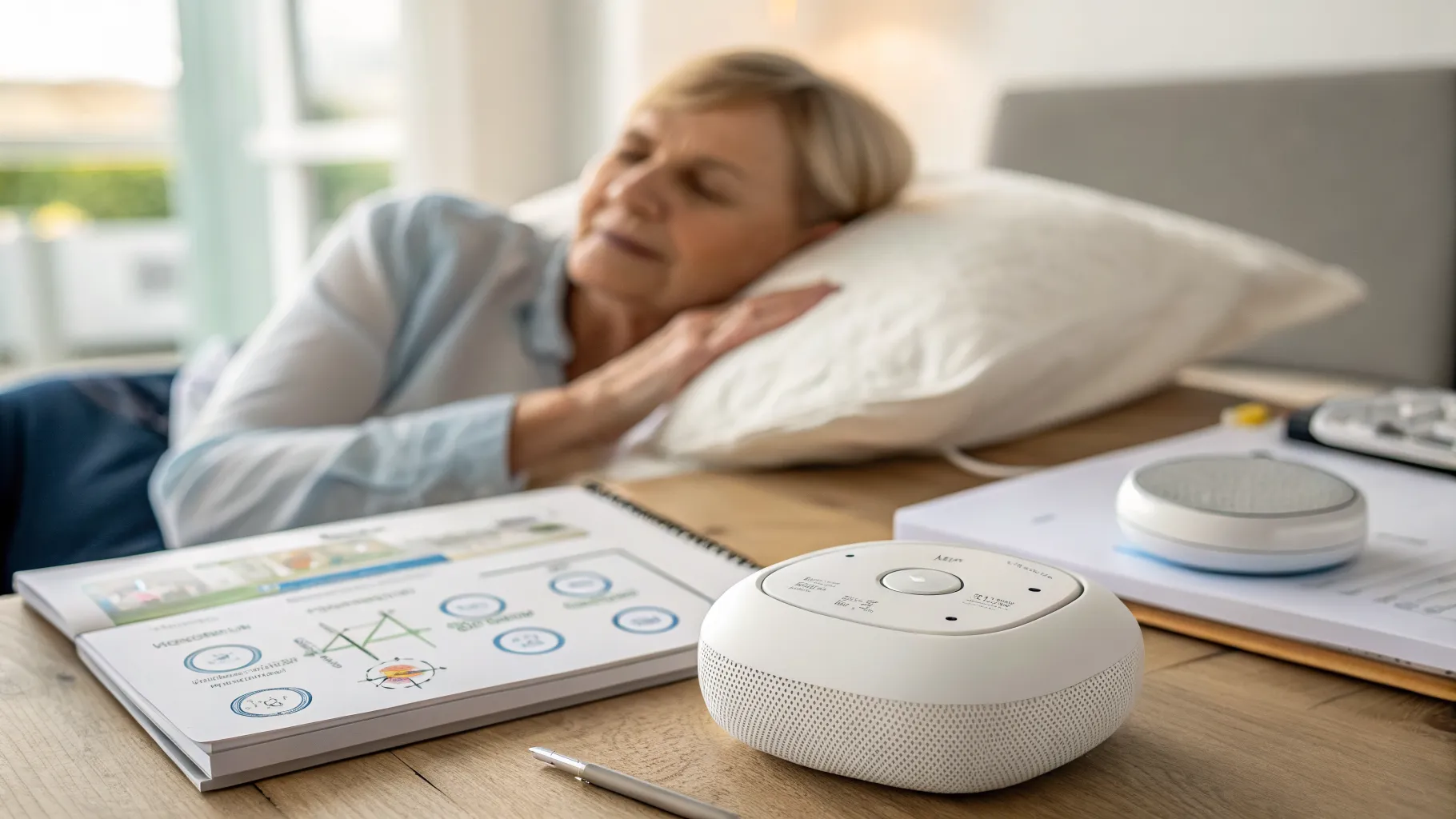
One of the most widely recognized and effective tinnitus treatment options involves various forms of sound therapy. This approach doesn't eliminate tinnitus but aims to make it less noticeable or disruptive. Devices such as white noise generators, specialized apps, and even hearing aids can play a crucial role. These devices introduce external sounds that mask or habituate the brain to the internal ringing in ears, reducing its perceived loudness and intrusiveness. The goal is to either drown out the tinnitus sound or to train the brain to filter it out over time, leading to significant tinnitus relief.
Hearing Aids and Masking Devices for Tinnitus
For individuals with co-occurring hearing loss, hearing aids for tinnitus can be particularly effective. By amplifying ambient sounds, hearing aids can naturally mask the tinnitus, making it less prominent. Many modern hearing aids also include built-in masking features that generate specific sounds (e.g., white noise, ocean sounds) to directly counteract the tinnitus. These specialized devices represent a cornerstone of non-invasive tinnitus treatment options, offering a dual benefit of improved hearing and reduced tinnitus perception. Selecting the right type and program is critical for optimal tinnitus relief.
Cognitive Behavioral Therapy (CBT) for Tinnitus
Beyond audiological solutions, psychological therapies like cognitive behavioral therapy (CBT) are highly regarded among effective tinnitus treatment options. CBT helps individuals change their reactions and thoughts about their tinnitus, reducing the emotional distress and anxiety often associated with the condition. It doesn't eliminate the sound itself but teaches coping mechanisms, relaxation techniques, and ways to reframe negative thought patterns, leading to a significant improvement in quality of life. This therapeutic approach is a powerful tool for achieving long-term tinnitus relief by addressing the psychological impact of the condition rather than just the sound.
Pharmacological and Alternative Tinnitus Treatment Options
While there is no single FDA-approved drug specifically for tinnitus, certain medications can sometimes be used off-label to manage associated symptoms like anxiety or depression, which can exacerbate the perception of ringing in ears. Antidepressants, anxiolytics, and even certain anticonvulsants have been explored, though their efficacy directly on tinnitus varies greatly. Discussing these pharmacological tinnitus treatment options with a healthcare professional is crucial to weigh potential benefits against side effects.
Mindfulness and Relaxation Techniques for Tinnitus Relief
Alternative and complementary therapies also play a role in providing tinnitus relief. Mindfulness-based stress reduction (MBSR), yoga, and meditation can help individuals manage the stress and anxiety that often accompany chronic tinnitus. These practices foster a sense of calm and can help divert attention away from the ringing in ears, improving overall emotional well-being. While not direct cures, they are valuable components of a holistic approach to tinnitus treatment options, empowering individuals to cope more effectively.
Developing a Personalized Tinnitus Management Plan
The journey to finding effective tinnitus treatment options is often highly personalized. What works for one person may not work for another, emphasizing the need for a comprehensive evaluation by an audiologist or ENT specialist. They can help diagnose the underlying cause (if any) and recommend a tailored approach that may combine sound therapy, counseling, and lifestyle adjustments. This integrated strategy is key to achieving sustainable tinnitus relief and reclaiming control over one's life despite the presence of ringing in ears.
Comparison of Treatment Effectiveness
When comparing different tinnitus treatment options, it's clear that approaches like sound therapy and cognitive behavioral therapy (CBT) consistently demonstrate higher rates of patient satisfaction and perceived relief compared to unproven remedies. While medications might address co-morbidities, they rarely offer a standalone solution for the tinnitus itself. Anecdotal evidence suggests that a combination of methods, particularly those focused on habituation and psychological coping, often yields the most robust and lasting tinnitus relief. For those with hearing loss, integrating hearing aids for tinnitus is often paramount. The effectiveness hinges on consistent application and patient commitment, highlighting that active participation in one's treatment plan is crucial for managing the persistent ringing in ears.
Actionable Advice for Managing Tinnitus
Taking proactive steps can significantly improve your experience with tinnitus. Here are some actionable strategies to help you find tinnitus relief:
- Consult a Specialist: Seek an audiologist or ENT to accurately diagnose your condition and explore professional tinnitus treatment options tailored to your specific needs.
- Explore Sound Therapy: Experiment with white noise machines, tinnitus maskers, or ambient sound apps to find sounds that offer you the most comfort and reduce the perception of ringing in ears.
- Consider CBT or TRT: Engage in therapies like cognitive behavioral therapy (CBT) or Tinnitus Retraining Therapy (TRT) to change your reaction to tinnitus and develop effective coping mechanisms.
- Manage Stress Levels: Incorporate mindfulness, meditation, or regular exercise into your routine to reduce stress, which can often exacerbate tinnitus symptoms.
- Protect Your Hearing: Avoid loud noises and use ear protection in noisy environments to prevent further damage and potential worsening of your ringing in ears.
- Limit Stimulants: Reduce intake of caffeine, nicotine, and alcohol, as these can sometimes intensify tinnitus symptoms for some individuals.
Frequently Asked Questions
What are the most effective tinnitus treatment options for chronic ringing in ears?
The most effective tinnitus treatment options often involve a combination of approaches. Sound therapy (using masking devices or white noise), cognitive behavioral therapy (CBT), and Tinnitus Retraining Therapy (TRT) are widely considered to be among the most beneficial for providing significant tinnitus relief and improving quality of life for individuals experiencing chronic ringing in ears.
Can hearing aids truly help with tinnitus relief?
Yes, hearing aids for tinnitus can be very effective, especially for individuals who also experience hearing loss. By amplifying external sounds, they can naturally mask the tinnitus, making it less noticeable. Many modern hearing aids also include built-in sound generators that provide additional masking or habituation sounds, contributing to substantial tinnitus relief.
Is there a cure for tinnitus, or only treatment options?
Currently, there is no universal cure for tinnitus. However, there are numerous effective tinnitus treatment options and management strategies available that can significantly reduce the impact of tinnitus, provide substantial tinnitus relief, and improve an individual's quality of life. The focus is on managing symptoms and helping the brain adapt to the ringing in ears.
References
- Journal of the American Academy of Audiology.
- International Tinnitus Journal.
- Cochrane Database of Systematic Reviews.
- National Institute on Deafness and Other Communication Disorders (NIDCD).
- American Tinnitus Association (ATA).