Best Diet to Follow on GLP-1 Medication: Maximizing Weight Management
Facts:
- GLP-1 medications are highly effective for weight loss.
- Optimized nutrition enhances outcomes for weight management.
Understanding Nutritional Principles for Optimal GLP-1 Efficacy
Embarking on a GLP-1 medication regimen opens a significant pathway to improved health and weight management. However, the success of these medications is profoundly amplified by adhering to the best diet to follow on GLP-1 medication. It's not merely about reducing calorie intake; it's about making strategic food choices that complement the medication's effects, promoting satiety, stabilizing blood sugar, and supporting overall well-being. This comprehensive guide will delve into the essential dietary components and practices that form the cornerstone of effective GLP-1 diet strategies, ensuring you harness the full potential of your treatment.
Protein-Rich Foods for Satiety and Muscle Preservation
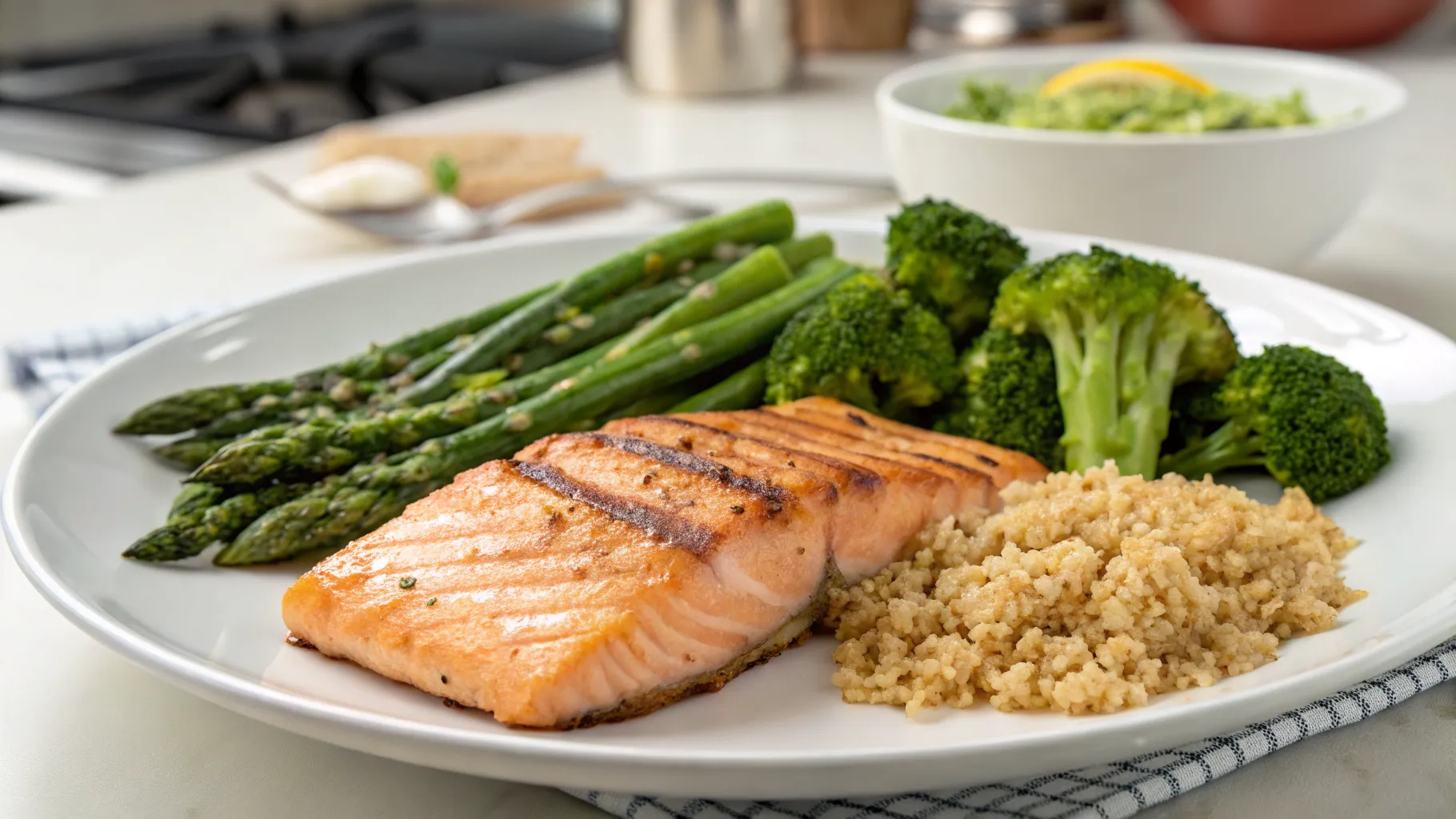
One of the foundational pillars of the best diet to follow on GLP-1 medication is a high intake of lean protein. GLP-1 agonists often lead to reduced appetite and slower gastric emptying, and protein plays a crucial role in enhancing these effects by promoting a feeling of fullness and satisfaction. Furthermore, as individuals experience weight management, there's a risk of muscle mass loss, which protein actively helps to mitigate. Prioritizing sources like lean meats (chicken, turkey, lean beef), fish (salmon, cod, tuna), eggs, dairy products (Greek yogurt, cottage cheese), and plant-based options (lentils, beans, tofu, tempeh) ensures a steady supply of amino acids. These foods are vital not only for satiety but also for maintaining metabolic rate and overall strength during your GLP-1 diet journey. Distribute protein intake evenly throughout the day to maximize its benefits.
Embracing Fiber for Digestive Health and Blood Sugar Control
Fiber is an indispensable component when considering the best diet to follow on GLP-1 medication. Found abundantly in vegetables, fruits, whole grains, and legumes, dietary fiber contributes significantly to gut health, aids in managing blood glucose levels, and further enhances satiety. The slower gastric emptying effect of GLP-1 medications can sometimes lead to constipation, and a high-fiber diet is an excellent natural remedy, promoting regular bowel movements. Soluble fiber, found in oats, apples, and beans, can help lower cholesterol and stabilize blood sugar, while insoluble fiber, present in whole grains and leafy greens, adds bulk to stool. Integrating a wide variety of fibrous nutrient-dense foods into your daily meals will not only support healthy digestion but also help prevent spikes and crashes in blood sugar, making your weight management journey smoother and more sustainable.
The Importance of Healthy Fats in a GLP-1 Regimen
While often feared in weight loss contexts, healthy fats are crucial for overall health and can play a supportive role in the best diet to follow on GLP-1 medication. Unsaturated fats, found in avocados, nuts, seeds, and olive oil, are essential for hormone production, nutrient absorption, and providing sustained energy. They also contribute to satiety, helping to reduce cravings and overeating, which is especially beneficial when managing appetite with GLP-1 medications. However, due to their high caloric density, portion control is paramount. Incorporating modest amounts of healthy fats into your GLP-1 diet can enhance the palatability of your meals and ensure you receive vital fat-soluble vitamins without derailing your weight management goals. Focus on whole-food sources rather than processed alternatives to maximize health benefits.
Strategic Meal Planning and Portion Control
Effective meal planning GLP-1 is arguably as important as the food choices themselves. With reduced appetite and altered digestion, it's easy to under-eat or consume insufficient nutrient-dense foods. Developing a structured meal plan ensures you receive adequate nutrition and helps prevent mindless snacking or making poor food choices when hunger eventually strikes. This involves pre-planning your meals and snacks, focusing on balanced plates that combine lean protein, ample fiber, and healthy fats. Portion control is also critical; even healthy foods can contribute to excess calories if consumed in large quantities. Using smaller plates, measuring servings, and listening to your body's new satiety signals (which GLP-1 enhances) are key strategies. Consistent healthy eating habits cultivated through thoughtful meal planning are the bedrock of long-term success on GLP-1 medication.
Hydration and Micronutrient Considerations
Maintaining adequate hydration is a simple yet often overlooked aspect of the best diet to follow on GLP-1 medication. Water is essential for every bodily function, including metabolism, digestion, and nutrient transport. With GLP-1 medications potentially causing side effects like nausea or constipation, staying well-hydrated can help alleviate some of these symptoms. Aim for plain water, and limit sugary drinks or excessive caffeine. Furthermore, while focusing on macronutrients (protein, carbs, fats), ensuring sufficient micronutrient intake (vitamins and minerals) through a diverse range of nutrient-dense foods is vital. A colorful array of fruits and vegetables will provide a spectrum of essential vitamins, minerals, and antioxidants, supporting overall health and bolstering your body's ability to achieve sustainable weight management.
Practical Steps for Successful GLP-1 Diet Adherence
Adopting the best diet to follow on GLP-1 medication requires commitment and practical strategies. It's about building sustainable healthy eating habits that align with your medication's effects. Here are actionable tips:
- Prioritize Protein at Every Meal: Start your day with protein-rich breakfast and include lean protein sources in all main meals to maximize satiety and muscle preservation throughout your GLP-1 diet.
- Load Up on Non-Starchy Vegetables: Fill half your plate with colorful, non-starchy vegetables at lunch and dinner. They are low in calories, high in fiber, and packed with essential micronutrients crucial for weight management.
- Choose Whole Grains Over Refined: Opt for whole grains like quinoa, brown rice, and oats in moderation. Their fiber content supports digestion and blood sugar stability more effectively than refined grains.
- Stay Hydrated Consistently: Drink plenty of water throughout the day. Carry a reusable water bottle to remind yourself to sip regularly, especially between meals.
- Practice Mindful Eating: Eat slowly, chew thoroughly, and pay attention to your body's hunger and fullness cues. GLP-1 medications enhance these signals, making mindful eating easier and more effective for portion control.
- Limit Processed Foods and Sugary Drinks: These items often contain empty calories, added sugars, and unhealthy fats that can hinder your weight management progress and counteract the benefits of your GLP-1 medication.
- Plan Your Meals and Snacks: Engage in meal planning GLP-1 to ensure you have healthy options readily available. This reduces the likelihood of impulse eating and helps maintain consistent healthy eating habits.
Frequently Asked Questions
What types of foods should I limit on a GLP-1 diet for effective weight management?
On a GLP-1 diet, it's best to significantly limit highly processed foods, sugary beverages, fried foods, and excessive amounts of simple carbohydrates. These items can lead to digestive discomfort due to slower gastric emptying, may cause blood sugar spikes, and often contribute excess calories without providing significant nutritional value, hindering your weight management goals.
How does the best diet to follow on GLP-1 medication help with satiety?
The best diet to follow on GLP-1 medication emphasizes high-protein and high-fiber nutrient-dense foods. Protein and fiber are known to slow digestion and promote feelings of fullness. Combined with the medication's effect of slowing gastric emptying and signaling satiety to the brain, this dietary approach significantly reduces hunger and makes it easier to consume fewer calories for weight management.
Can I still eat my favorite foods occasionally while following a GLP-1 diet?
Yes, the GLP-1 diet encourages sustainable healthy eating habits rather than strict deprivation. Occasional indulgences in small, controlled portions can be part of a balanced approach. The key is moderation and ensuring that the vast majority of your food choices align with the principles of nutrient-dense foods and portion control to support your overall weight management goals.
References
- American Diabetes Association. (2024). Standards of Medical Care in Diabetes.
- The Obesity Society. (2024). Clinical Practice Guidelines for the Management of Obesity.
- National Institute of Diabetes and Digestive and Kidney Diseases (NIDDK). (2024). Weight-control Information Network.
- Journal of Clinical Endocrinology & Metabolism. (2023). Dietary Interventions and GLP-1 Receptor Agonists.
- Mayo Clinic. (2023). Healthy Lifestyle: Nutrition and Healthy Eating.