Laser Eye Surgery Price and Methods Evaluated: Understanding Your Vision Correction Cost
Facts:
- Millions undergo successful vision correction globally each year.
- Affordability trends are improving for advanced vision correction methods for the general public.
Decoding Laser Eye Surgery Cost: A Comprehensive Guide to Methods and Pricing
Navigating the landscape of modern ophthalmology to understand the true laser eye surgery cost and the various available vision correction options can be a complex endeavor. This comprehensive guide aims to demystify the financial aspects and methodological differences, providing clarity on what influences the ultimate price tag for clearer vision. From the initial consultation to post-operative care, every step contributes to the overall investment, making it crucial for prospective patients to grasp the nuances of each procedure, including specific details about LASIK price, PRK cost, and SMILE eye surgery cost. Understanding these elements is paramount for making an informed decision that aligns with both your visual needs and your financial planning.
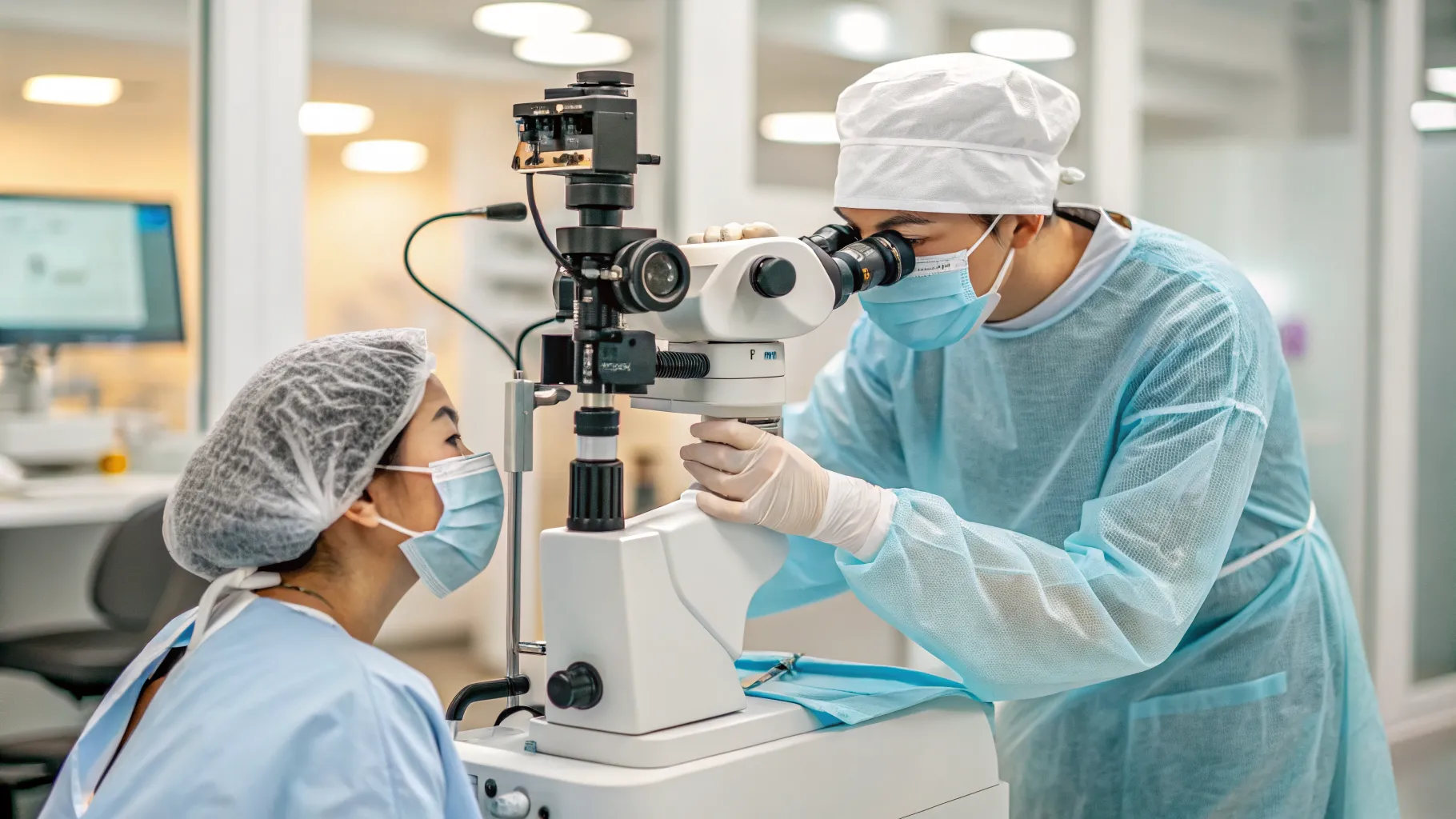
Exploring Key Laser Eye Surgery Methods and Their Associated Costs
The field of refractive surgery offers several highly effective methods for correcting vision, each with its own procedural specifics, recovery profiles, and, critically, varying impacts on the overall laser eye surgery cost. Delving into each option allows for a clearer understanding of why prices differ and which method might be best suited for individual needs and budgets. It's not just about the upfront LASIK price or PRK cost; it's about the long-term value and suitability of the chosen vision correction options.
LASIK: Popularity and LASIK Price Considerations
LASIK (Laser-Assisted In Situ Keratomileusis) remains one of the most widely performed and recognized types of laser eye surgery. Its popularity stems from its quick recovery time and excellent visual outcomes. During the LASIK procedure, a thin flap is created on the cornea, which is then lifted to allow an excimer laser to reshape the underlying corneal tissue. The flap is subsequently repositioned, naturally adhering without stitches. The LASIK price typically reflects the advanced technology used, the surgeon's expertise, and the comprehensive pre- and post-operative care included. Factors influencing the LASIK price can include the type of laser employed (e.g., bladeless vs. microkeratome), the complexity of the prescription, and geographic location. Patients often find the convenience and rapid return to clear vision justify the investment, making it a preferred choice among vision correction options despite its potentially higher initial outlay compared to some alternatives.
PRK: An Alternative with Distinct PRK Cost Factors
PRK (Photorefractive Keratectomy) is an older but still highly effective form of laser eye surgery, often recommended for individuals who are not ideal candidates for LASIK due to thinner corneas or certain corneal conditions. Unlike LASIK, PRK involves removing the outer layer of the cornea (epithelium) entirely before reshaping the corneal tissue with an excimer laser. The epithelium then regenerates naturally over a few days. While the recovery period for PRK is generally longer and may involve more initial discomfort than LASIK, it offers comparable long-term visual results. The PRK cost is often slightly lower than LASIK, primarily because the procedural steps are less complex in terms of flap creation and management. However, patients should factor in the potential for more post-operative visits and medication during the healing phase, which could subtly affect the total laser eye surgery cost. It's a robust alternative among the available vision correction options, particularly for those concerned about flap-related complications or who have specific corneal anatomies.
SMILE: Advanced Technique and SMILE Eye Surgery Cost
SMILE (Small Incision Lenticule Extraction) represents a newer, minimally invasive advancement in laser eye surgery. This procedure involves creating a small, lens-shaped piece of tissue (lenticule) inside the intact cornea using a femtosecond laser, which is then removed through a tiny incision. Because it avoids creating a large corneal flap, SMILE often results in less disruption to the corneal surface, potentially leading to fewer dry eye symptoms and greater corneal stability compared to LASIK. The SMILE eye surgery cost is generally comparable to or slightly higher than LASIK due to the specialized laser technology and the advanced surgical technique required. As a cutting-edge procedure, the availability and SMILE eye surgery cost can vary more widely by region and clinic. Patients seeking the latest in minimally invasive vision correction options, particularly those with active lifestyles or concerns about dry eyes, may find SMILE an attractive investment, despite the premium associated with its advanced nature.
Beyond the Basics: Other Vision Correction Options
While LASIK, PRK, and SMILE are the most common forms of laser eye surgery, other vision correction options exist for specific cases. For instance, Implantable Collamer Lenses (ICLs) may be recommended for individuals with very high prescriptions or those unsuitable for corneal reshaping procedures. The laser eye surgery cost for ICLs is typically significantly higher than that of laser-based methods, as it involves inserting a permanent lens into the eye. These alternative methods cater to a smaller segment of the population but are crucial for ensuring that almost everyone can find a viable path to improved vision. Understanding the broad spectrum of vision correction options and their respective cost implications is essential for a thorough evaluation.
Factors Influencing the Overall Laser Eye Surgery Cost
The total laser eye surgery cost is not a single, fixed number; it is a composite of several interconnected factors that vary significantly between clinics, regions, and individual patient needs. Prospective patients must look beyond advertised prices to understand what exactly is included in their personalized quote. Geographic location plays a substantial role, with clinics in major metropolitan areas often having higher overheads that translate to a higher LASIK price or PRK cost compared to rural settings. The experience and reputation of the surgeon are also critical; highly sought-after surgeons utilizing advanced techniques may command a premium. The specific technology used, whether it's the latest generation of excimer or femtosecond lasers, directly impacts the laser eye surgery cost. Furthermore, comprehensive pre-operative evaluations, which are crucial for determining suitability and planning the procedure, and extensive post-operative care, including follow-up appointments and potential enhancement surgeries, are often bundled into the overall price. Ensuring these components are clearly outlined in your quote helps avoid unexpected expenses and provides a more accurate picture of the total investment for all vision correction options.
Comparing LASIK Price, PRK Cost, and SMILE Eye Surgery Cost
When evaluating the different vision correction options, a direct comparison of their costs, recovery times, and suitability for various patients is essential. While the LASIK price often falls within a mid-to-high range, offering rapid visual recovery, the PRK cost is typically at the lower end, albeit with a longer initial healing period. The SMILE eye surgery cost tends to be at the higher end, reflecting its advanced, minimally invasive nature and potential benefits for dry eye. For individuals prioritizing immediate convenience and faster return to daily activities, the higher LASIK price might be justified. Those with specific corneal characteristics or who prefer to avoid a corneal flap might opt for PRK, accepting the extended recovery in exchange for a potentially lower laser eye surgery cost. Patients seeking the latest technology and specific benefits like reduced dry eye may lean towards SMILE, understanding that its SMILE eye surgery cost reflects this innovation. Ultimately, the best choice among these vision correction options balances the financial investment with personal health considerations, lifestyle, and expected outcomes, making a thorough discussion with an ophthalmologist indispensable.
Making an Informed Decision: Actionable Advice for Prospective Patients
- Consult Multiple Clinics: Seek several quotes from different providers to understand the varying laser eye surgery cost and the full range of included services. This helps in comparing apples to apples and recognizing what defines a fair LASIK price.
- Understand 'All-Inclusive' Packages: Clarify precisely what is covered in any 'all-inclusive' package, especially concerning follow-up care, potential enhancement surgeries, and medication costs, as these significantly impact your final investment in any of the vision correction options.
- Consider Financing Options: Many reputable clinics offer various payment plans, financing options, or even discounts that can make the PRK cost or SMILE eye surgery cost more manageable by spreading the expense over time. Inquire about these during your consultation.
- Prioritize Surgeon Experience and Technology: While cost is an important factor, the expertise of the surgeon and the quality of the technology used are paramount for optimal safety and outcomes. Never compromise on these aspects when considering laser eye surgery.
- Read Reviews and Testimonials: Gain insight into other patients' experiences with different clinics and their transparency regarding the total laser eye surgery cost, customer service, and overall results. This helps build confidence in your chosen provider for any of the vision correction options.
Frequently Asked Questions
Is the initial consultation typically included in the overall laser eye surgery cost?
Often, the initial consultation for laser eye surgery is offered free or at a reduced rate as part of a promotional package, but this can vary significantly between clinics. Some providers may charge a fee for the comprehensive diagnostic tests performed during this visit, which is then typically credited towards the total laser eye surgery cost if you proceed with the procedure. It's crucial to confirm this policy upfront to understand all aspects of the initial LASIK price assessment.
What is the average LASIK price in major metropolitan areas compared to rural regions?
The average LASIK price generally tends to be higher in major metropolitan areas due to increased operating costs, higher demand, and often access to the latest technologies and highly experienced surgeons. In contrast, rural regions may offer a comparatively lower laser eye surgery cost. This geographical variation applies across all vision correction options, including PRK cost and SMILE eye surgery cost, and should be considered when budgeting for your procedure.
Are there any hidden fees not usually covered in the advertised PRK cost?
While reputable clinics strive for transparency, some advertised PRK cost figures might not include all potential expenses. Hidden fees could relate to additional post-operative medications, extended follow-up care beyond a standard period, or rare enhancement procedures. Always request a detailed, itemized quote for your laser eye surgery and explicitly ask what is and isn't covered to avoid surprises, regardless of the chosen vision correction options.
References
- American Academy of Ophthalmology Guidelines on Refractive Surgery.
- Journal of Cataract & Refractive Surgery Publications.
- Industry Reports on Vision Correction Technology and Pricing Trends.
- Patient outcome studies from leading ophthalmic centers.