Finding Value: Your Guide to Surplus Communication Radios for Sale in the United States
Fast Facts:
- US market for used radio equipment is expanding.
- Demand for military surplus radios is surging for hobbyists and preppers.
Navigating the Market for Surplus Communication Radios
The landscape of communication technology is constantly evolving, yet the demand for robust and reliable equipment remains steadfast. For enthusiasts, emergency responders, and budget-conscious organizations, the market for surplus communication radios offers an unparalleled opportunity. These units, often decommissioned from military, government, or large commercial operations, provide a cost-effective alternative to new equipment, frequently boasting a level of build quality and durability that surpasses many contemporary consumer-grade options. Understanding where to find and how to evaluate these items is crucial for anyone looking to acquire valuable used radio equipment in the United States.
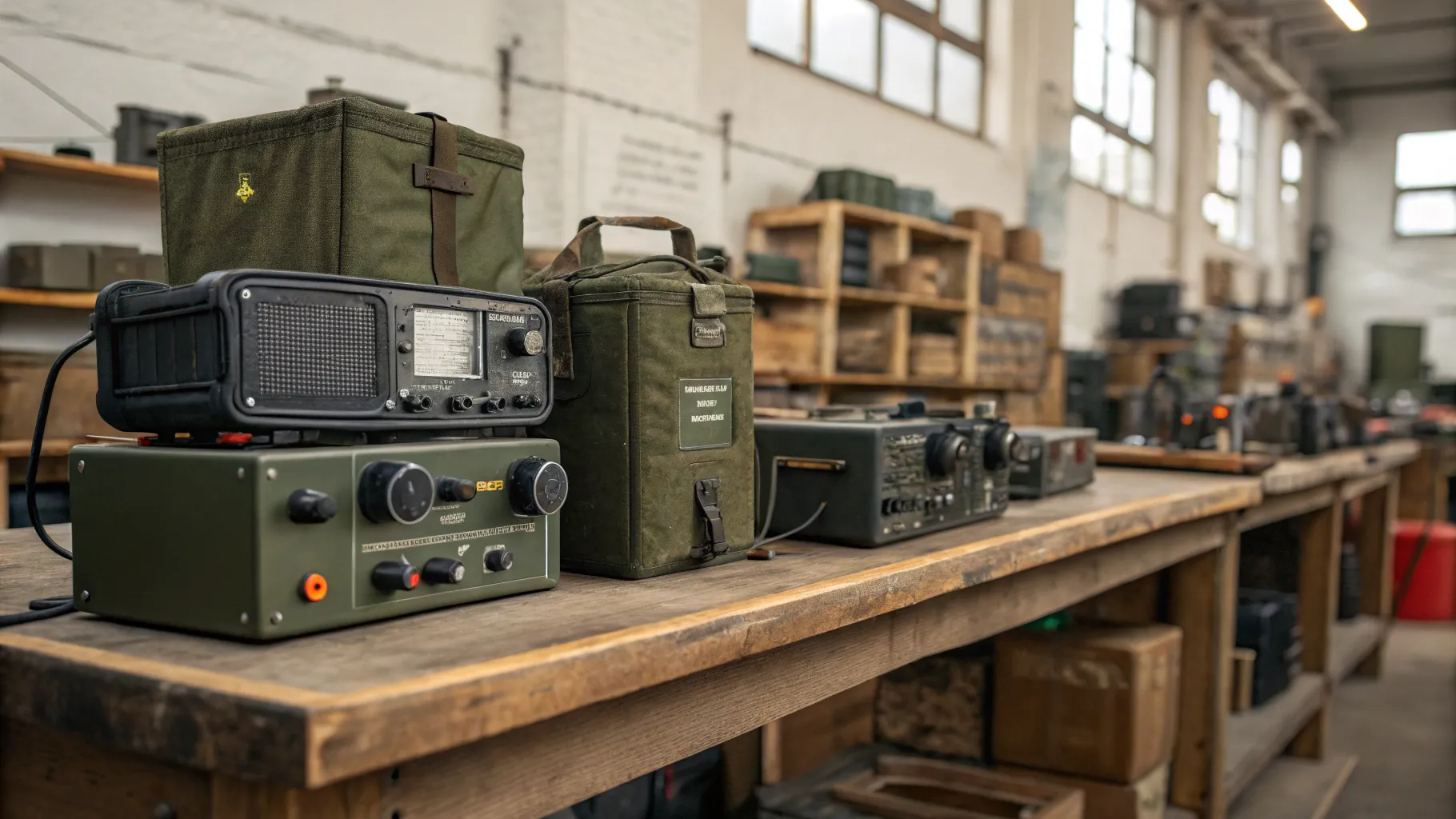
Types of Surplus Communication Radios Available
The vast array of surplus communication radios available in the US market caters to a wide spectrum of users, from hobbyists to professional organizations. Each category presents unique characteristics and benefits, making it essential for buyers to understand the distinctions. These radios often represent a significant investment in durable, high-performance technology that was originally designed for demanding applications.
Military Surplus Radios
Military surplus radios are renowned for their ruggedness, reliability, and advanced features, built to withstand extreme conditions. These units, such as the AN/PRC series or older tactical transceivers, often operate across a broad spectrum of frequencies and modes, offering capabilities far beyond standard consumer devices. Collectors are drawn to their historical significance, while preppers and outdoor enthusiasts value their robust construction and off-grid communication potential. Acquiring these often requires some technical knowledge due to their specialized connectors, power requirements, and potential need for modification to operate on civilian frequencies.
Commercial and Government Decommissioned Gear
This category includes professional-grade used radio equipment from police departments, fire services, utility companies, and other government agencies. Brands like Motorola, Kenwood, and Icom are common here. These radios are typically robust, designed for continuous duty cycles, and offer excellent audio quality and range. They are often programmed for specific trunking systems or conventional channels, meaning buyers may need to reprogram them for personal or amateur use. The advantage lies in acquiring highly durable and reliable equipment at a fraction of its original cost, making them excellent affordable two-way radios for various applications.
Amateur (Ham) Radio Equipment
The amateur radio community provides a thriving secondary market for ham radio gear. This includes transceivers, amplifiers, tuners, and various accessories from popular manufacturers. Unlike military or commercial surplus, much of this equipment is already designed for amateur bands and often comes with a strong community support network for troubleshooting and guidance. Buyers can find anything from vintage tube-type radios to more modern solid-state transceivers, often at attractive prices, making it an excellent entry point for new licensees or an upgrade path for experienced operators seeking specific functionalities.
Where to Find Surplus Communication Radios in the US
Locating reputable sources for surplus communication radios is a critical step in acquiring quality equipment. The market is diverse, spanning both online and physical venues, each with its own set of advantages and considerations for buyers.
When considering where to purchase surplus communication radios, buyers face a choice between online marketplaces and physical outlets. Online platforms such as eBay, specialized forums, and dedicated surplus websites offer a vast selection and competitive pricing, but require diligent research into seller reputations and item descriptions. In contrast, physical surplus stores or hamfests allow for hands-on inspection of used radio equipment, providing an opportunity to assess condition directly. Each avenue presents distinct advantages and disadvantages depending on the buyer's technical expertise and risk tolerance, making it essential to weigh options carefully when seeking affordable two-way radios.
Key Considerations Before Buying Used Radio Equipment
Purchasing used radio equipment requires careful consideration to ensure you get a functional and suitable device for your needs. Rushing into a purchase without proper diligence can lead to costly mistakes or acquiring equipment that doesn't meet your expectations. It is imperative to perform thorough research and assessment before committing to any transaction.
Ensuring a Smart Purchase: Practical Tips for Surplus Communication Radios
- Research Compatibility: Before investing in surplus communication radios, verify that the frequencies, modes (e.g., analog, digital, SSB), and power requirements align with your intended use. Many older units might operate on frequency bands no longer licensed for general civilian use or require specific power supplies.
- Inspect Condition Thoroughly: For used radio equipment, physical and functional condition are paramount. Look for signs of water damage, corrosion, or significant physical abuse. If possible, test the unit's basic functions like power-up, reception, and transmission (observing local regulations) to avoid acquiring non-functional items.
- Understand Legalities and Licensing: Operating certain types of military surplus radios or other powerful communication devices often requires specific licenses (e.g., FCC Amateur Radio license). Ensure you comply with all federal and local regulations to avoid legal complications when using your new ham radio gear.
- Budget for Accessories and Repairs: Often, surplus communication radios come as bare units. Factor in the cost of essential accessories like antennas, power cables, microphones, and potential repairs or modifications. Older equipment might require specialized parts or expertise to restore to full functionality.
- Seek Community Advice: Leverage online forums, local amateur radio clubs, and enthusiast groups. Experienced individuals can offer invaluable advice on specific models, common issues, and reputable sellers, guiding you toward the best affordable two-way radios for your needs.
Frequently Asked Questions
What are the benefits of buying surplus communication radios?
The primary benefits include significant cost savings compared to new equipment, often superior build quality and durability designed for professional use, and the unique historical value or advanced features not commonly found in modern consumer devices. They offer an excellent avenue to acquire robust communication solutions without breaking the bank.
Are military surplus radios legal to own and operate in the US?
Owning military surplus radios is generally legal in the US, as long as they are not restricted items. However, operating them may require specific licenses (e.g., FCC Amateur Radio license) depending on their frequency capabilities and power output. It is crucial to ensure compliance with all FCC regulations for transmitting on specific bands.
Where can I get parts for older used radio equipment?
Finding parts for older used radio equipment often involves searching specialized electronics surplus stores, online forums dedicated to vintage radio repair, eBay, or potentially cannibalizing non-functional units for components. Local amateur radio clubs can also be a valuable resource for finding parts or guidance on repairs.
References
- US Department of Defense Decommissioning Policies
- Federal Communications Commission (FCC) Regulations for Radio Devices
- Amateur Radio Relay League (ARRL) Guides
- Online Forums for Military & Ham Radio Enthusiasts