The Best Wearable Devices for Monitoring Heart Health: A Comprehensive Guide
Facts:
- Global market for heart health wearables is expanding rapidly.
- Demand for continuous heart rate tracking devices continues to rise for proactive health management.
Exploring the Leading Wearable Devices for Monitoring Heart Health
In an era where personal well-being is paramount, wearable health technology has revolutionized how individuals approach their cardiovascular care. The market for heart health wearables offers an array of sophisticated devices designed to provide real-time insights into crucial cardiac metrics, empowering users to proactively manage their heart health.
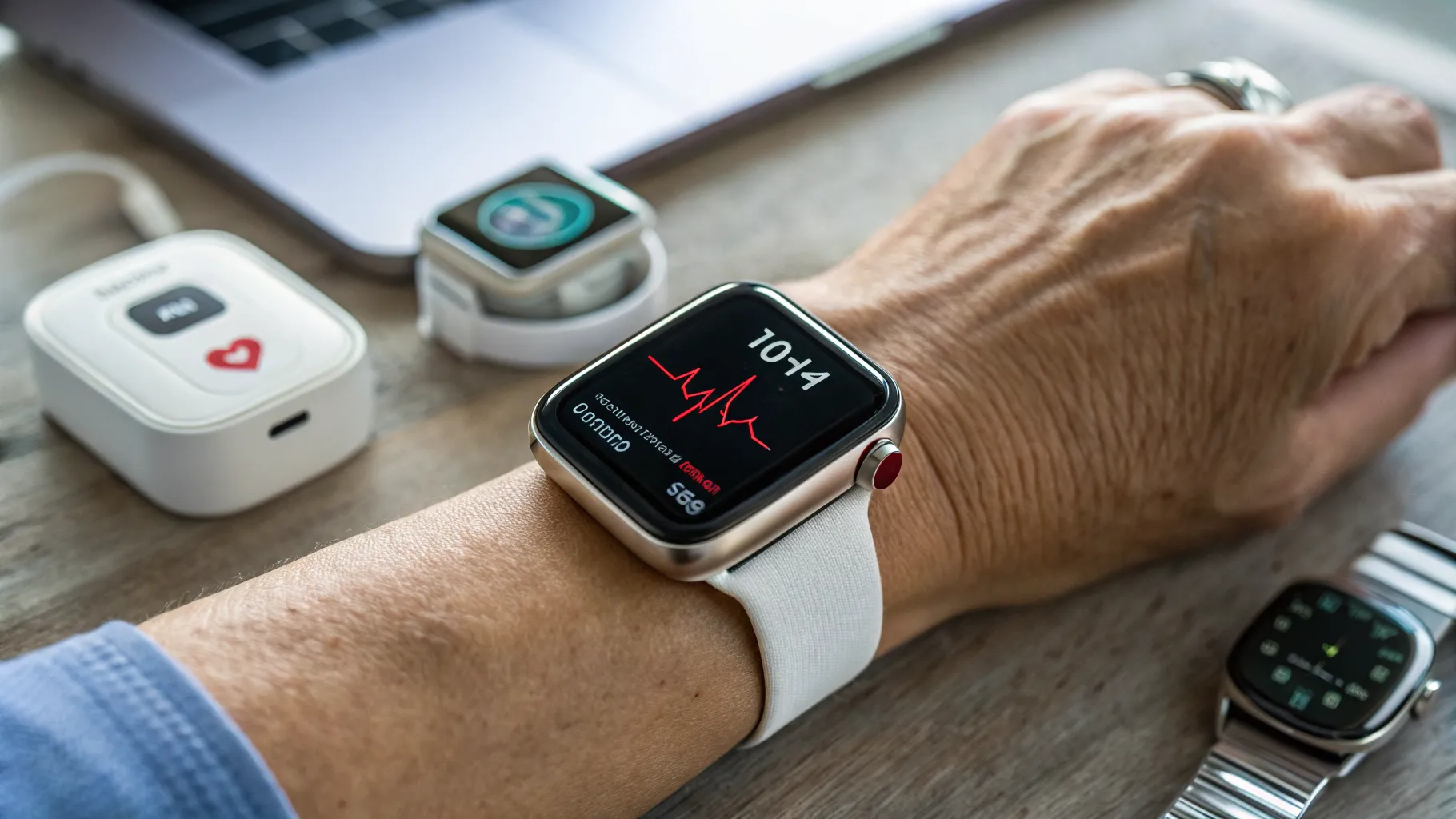
Top Wearable Devices Revolutionizing Cardiac Care
Smartwatches with Advanced ECG Monitors
Modern smartwatches have transcended basic fitness tracking, now offering robust ECG monitors capable of detecting irregular heart rhythms such as atrial fibrillation (AFib). Devices from Apple, Samsung, and Google feature medical-grade ECG capabilities, allowing users to take an electrocardiogram directly from their wrist. This immediate access to vital cardiac data empowers early detection and intervention, making these devices indispensable for individuals prioritizing their heart health wearables. Beyond just rhythm detection, many smartwatches also integrate continuous heart rate monitoring, providing a comprehensive overview of cardiac activity throughout the day and during exercise. The convenience and integration of these smartwatch heart features into daily life make them a popular choice for those seeking comprehensive cardiac insights.
Dedicated Continuous Heart Rate Tracking Devices
While smartwatches offer versatility, dedicated trackers excel in specialized monitoring. Devices focused solely on continuous heart rate tracking often provide superior accuracy and battery life, making them ideal for athletes and individuals requiring precise long-term data. These specialized heart health wearables often come in various forms, including chest straps or ring-style monitors, each offering unique benefits in terms of comfort and data fidelity. They are particularly valuable for understanding resting heart rate trends, heart rate variability (HRV), and recovery metrics, which are crucial indicators of overall cardiovascular fitness and stress levels. Integrating these trackers into a holistic wellness routine provides deeper insights than intermittent checks, ensuring a consistent stream of data for proactive health management.
Blood Pressure Wearables for On-the-Go Monitoring
Monitoring blood pressure regularly is vital for preventing and managing hypertension. The advent of wrist-worn blood pressure wearables has made this easier than ever before. Unlike traditional cuff devices, these innovative devices offer the convenience of measuring blood pressure discreetly throughout the day. While some devices use optical sensors, others integrate tiny inflatable cuffs to provide clinically validated readings. For individuals managing hypertension or those at risk, these heart health wearables offer an unprecedented level of control and insight. Regular, convenient monitoring facilitates better understanding of blood pressure fluctuations and allows for timely adjustments in lifestyle or medication, working in tandem with other cardiac monitoring devices to provide a full picture of health.
Patch Monitors for Extended Cardiac Monitoring Devices
For more in-depth or extended monitoring, patch monitors offer a less intrusive alternative to traditional Holter monitors. These small, adhesive devices are worn on the chest for several days or even weeks, providing continuous recording of cardiac activity. They are particularly useful for detecting infrequent arrhythmias or for post-operative monitoring. The data collected by these cardiac monitoring devices can then be analyzed by healthcare professionals, offering a comprehensive view of heart rhythm patterns that might be missed by shorter-term tests. Their unobtrusive design allows users to maintain normal daily activities while gathering critical data, representing a significant advancement in diagnostic wearable health technology for heart conditions.
Smart Rings for Discreet Heart Health Wearables
Emerging as a discreet yet powerful option, smart rings are gaining traction in the heart health wearables market. These compact devices are packed with sensors that can track heart rate, heart rate variability, sleep patterns, and even body temperature. Their subtle design makes them ideal for individuals who prefer not to wear a watch or a chest strap. While some smart rings offer basic heart rate tracking, others are evolving to include more advanced features, providing valuable data for overall wellness and early detection of potential cardiac issues. The continuous, passive data collection makes them excellent for long-term health trend analysis and integrating seamlessly into daily life, contributing significantly to personal cardiac monitoring devices.
Comparing Key Features of Heart Health Wearables
When selecting the best heart health wearables, consumers must weigh various features. Smartwatches excel in versatility, offering not just ECG monitors and continuous heart rate tracking but also smart notifications and fitness tracking. Dedicated heart rate monitors often provide superior accuracy for specific metrics and longer battery life, ideal for focused athletic training or specific health concerns. Blood pressure wearables, while specialized, offer critical daily monitoring for hypertension management. Patch monitors are best for extended diagnostic insights, while smart rings prioritize discretion and passive data collection. The choice ultimately depends on individual needs, desired data depth, and lifestyle integration with these wearable health technology advancements.
Maximizing the Benefits of Wearable Health Technology
Regular Data Review: Consistently review the data from your heart health wearables. Understanding your trends in heart rate, HRV, and blood pressure can help you identify anomalies early. Many apps provide intuitive dashboards to visualize this information, making it easier to track progress and spot potential issues that warrant professional medical attention.
Consult Healthcare Professionals: While wearable health technology provides valuable insights, it's not a substitute for professional medical advice. Share your data from ECG monitors or continuous heart rate tracking with your doctor, especially if you notice concerning patterns or receive irregular readings. This collaboration ensures that the data is interpreted correctly and leads to appropriate medical guidance.
Maintain Device Calibration: For devices like blood pressure wearables, ensuring proper calibration and fit is crucial for accuracy. Follow manufacturer guidelines for wearing and maintaining your device. An ill-fitting device or one that hasn't been calibrated according to instructions can lead to inaccurate readings, undermining the purpose of your cardiac monitoring devices.
Integrate with Lifestyle: Leverage the insights from your devices to make positive lifestyle changes. If your heart health wearables show elevated stress or poor sleep quality, consider incorporating mindfulness, regular exercise, or dietary adjustments. The goal is to use the data to inform and empower a healthier way of living, not just to passively observe your metrics.
Frequently Asked Questions
Are heart health wearables accurate enough for medical diagnoses?
While many wearable health technology devices offer impressive accuracy, especially those with FDA-cleared ECG monitors, they are generally intended for informational purposes and early detection rather than definitive medical diagnoses. Always consult a healthcare professional for diagnosis and treatment. The data from your cardiac monitoring devices can serve as valuable information to share with your doctor.
Can continuous heart rate tracking help prevent heart attacks?
Continuous heart rate tracking from heart health wearables can provide early warning signs of potential cardiac issues, such as persistent unusual heart rate patterns or arrhythmias. This early detection can prompt individuals to seek medical attention, potentially preventing serious events. However, these devices do not directly prevent heart attacks; rather, they provide data that, when acted upon with medical guidance, can contribute to preventive health strategies.
What are the privacy concerns with wearable health technology data?
Privacy is a significant concern with any device collecting personal health data. Reputable manufacturers of heart health wearables employ robust encryption and comply with data privacy regulations. Users should review the privacy policies of their devices and associated apps to understand how their ECG monitors and other health data are collected, stored, and shared. Choosing trusted brands is crucial for safeguarding personal information.
References
- Journal of Cardiology & Cardiovascular Sciences
- American Heart Association Guidelines
- World Health Organization Reports on Cardiovascular Disease
- Clinical studies on wearable ECG technology
- Reports on the global market for health tech wearables