Emerging Remedies for Sleep Apnea Patients: Innovations in 2026 Treatment
Facts:
- New sleep apnea remedies offer hope beyond traditional CPAP.
- Trend for less invasive sleep apnea treatment innovations for patients.
Revolutionizing Sleep: Emerging Sleep Apnea Treatment Innovations in 2026
As we advance into 2026, the landscape of treating obstructive sleep apnea (OSA) is undergoing a significant transformation. Patients previously reliant on conventional methods like CPAP therapy are now seeing a surge in advanced and less intrusive sleep apnea remedies. These developments promise greater comfort, improved adherence, and more personalized care, moving beyond a one-size-fits-all approach. This article explores the cutting-edge sleep apnea treatment innovations poised to redefine patient experiences and outcomes in the coming years.
Advanced Oral Appliances and Mandibular Advancement Devices
While oral appliances for sleep apnea are not entirely new, 2026 brings forth a new generation of these devices with enhanced design and material science. These custom-fitted devices, primarily mandibular advancement devices (MADs), work by repositioning the jaw and tongue to keep the airway open during sleep. The latest iterations feature smart technology for micro-adjustments, allowing for greater comfort and efficacy. Innovations include biometric feedback systems that monitor jaw position and breathing patterns, automatically adapting the device's subtle movements throughout the night. This level of personalization significantly improves patient comfort and treatment adherence, making them highly attractive CPAP alternatives for those with mild to moderate sleep apnea.
The Rise of Neuromodulation Therapies
One of the most exciting sleep apnea treatment innovations is the advancement in neuromodulation therapies. These involve stimulating nerves that control the muscles of the airway, preventing collapses during sleep. Hypoglossal nerve stimulation (HNS) devices, such as inspire, are already established but are seeing further refinements in size, battery life, and more targeted stimulation. Beyond HNS, new approaches are exploring vagal nerve stimulation and phrenic nerve stimulation, aimed at a broader range of patients, including those with central sleep apnea. These implantable devices offer a silent, wire-free solution for patients who struggle with conventional therapies, representing a significant leap in sleep apnea remedies.
Personalized Medicine and AI-Driven Diagnostics
The future of sleep apnea remedies is increasingly personal. Artificial intelligence (AI) and machine learning are revolutionizing diagnostics and treatment selection. AI algorithms can now analyze vast datasets from patient sleep studies, genetic profiles, and lifestyle factors to predict individual responses to various therapeutic interventions for sleep apnea. This allows clinicians to recommend the most effective treatment from the outset, moving away from trial-and-error. For instance, AI can identify specific anatomical structures or neurological patterns that make a patient more suitable for an oral appliance versus neuromodulation, optimizing outcomes and patient satisfaction. This era of precision medicine ensures that each patient receives a tailored and effective solution.
Wearable Technology and Smart Monitoring Devices
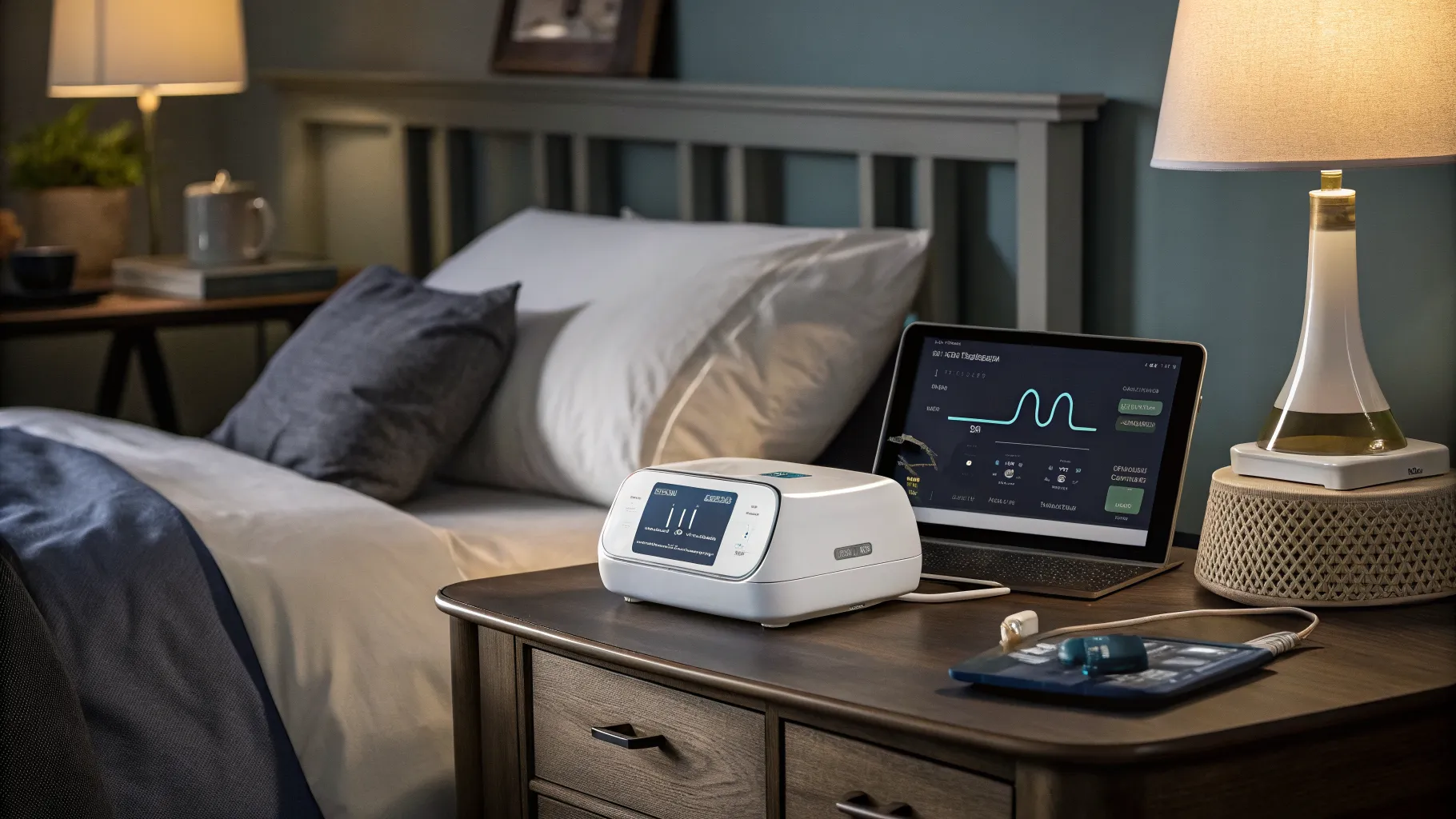
Wearable technology continues to evolve as a vital component in managing and monitoring sleep apnea. Beyond simple trackers, 2026 introduces sophisticated smart rings, patches, and even bedding that can non-invasively monitor key physiological markers like oxygen saturation, heart rate, and respiratory effort with medical-grade accuracy. These devices are increasingly integrated with telehealth platforms, allowing for remote monitoring by healthcare providers and enabling timely adjustments to treatment plans. For patients, these unobtrusive tools provide continuous feedback, helping them understand their sleep patterns and the effectiveness of their chosen sleep apnea remedies. They also serve as an excellent early detection system for potential complications.
Emerging Pharmacological Interventions
While historically limited, pharmaceutical approaches are gaining traction as complementary or standalone sleep apnea remedies. Research is ongoing into drugs that can improve upper airway muscle tone, reduce fluid retention in the neck, or stabilize breathing patterns during sleep. These medications are not meant to replace structural interventions entirely but aim to reduce the severity of apneas and hypopneas, especially in cases where other treatments are less effective or poorly tolerated. Several novel compounds are in advanced clinical trials, targeting specific neurochemical pathways that influence respiratory control. These new therapeutic interventions for sleep apnea could offer an additional layer of support for patients struggling with persistent symptoms.
Lifestyle Modifications and Integrated Care Pathways
Beyond technological and pharmaceutical advancements, there's a renewed emphasis on comprehensive, integrated care pathways. This includes personalized programs focusing on weight management, positional therapy (e.g., devices that prevent back sleeping), and exercises to strengthen upper airway muscles. These lifestyle interventions are no longer seen as secondary but as crucial components of effective sleep apnea remedies. Clinics are adopting multidisciplinary approaches, involving sleep specialists, dietitians, physical therapists, and psychologists to address all facets of a patient's health. This holistic view ensures sustained improvement and reduces the long-term health risks associated with untreated sleep apnea, complementing the high-tech sleep apnea treatment innovations available.
Actionable Advice for Navigating New Sleep Apnea Remedies
Consult with a Sleep Specialist: Always seek advice from a qualified sleep physician who can assess your specific condition and recommend the most suitable of the many emerging sleep apnea remedies. Self-diagnosis and self-treatment can be detrimental.
Stay Informed on Innovations: Regularly research or ask your doctor about the latest sleep apnea treatment innovations. The field is rapidly evolving, and new options may become available that are a better fit for you.
Consider Multimodal Therapy: Don't limit yourself to a single approach. For some, a combination of oral appliances for sleep apnea, lifestyle changes, and potentially even neuromodulation might yield the best results.
Evaluate Patient Adherence: Reflect on which treatment you are most likely to consistently use. Adherence is key to success, especially with CPAP alternatives or advanced devices.
Participate in Clinical Trials: If eligible and comfortable, consider participating in clinical trials for new therapeutic interventions for sleep apnea. This can provide early access to cutting-edge treatments and contribute to medical science.
Frequently Asked Questions
What are the most promising CPAP alternatives emerging in 2026?
In 2026, the most promising CPAP alternatives include advanced oral appliances with smart technology, refined neuromodulation devices like hypoglossal nerve stimulation, and innovative wearable technology for monitoring and management. Each offers a distinct approach to managing sleep apnea without the need for a traditional CPAP machine.
How do neuromodulation for sleep apnea therapies work?
Neuromodulation for sleep apnea therapies work by electrically stimulating nerves that control the muscles of the upper airway. For instance, hypoglossal nerve stimulation targets the nerve that moves the tongue forward, preventing it from collapsing into the airway during sleep. This stimulation is typically synchronized with the patient's breathing pattern.
Will oral appliances for sleep apnea completely replace CPAP?
While oral appliances for sleep apnea are becoming increasingly effective and sophisticated, they are unlikely to completely replace CPAP therapy. They are often best suited for patients with mild to moderate sleep apnea or those who cannot tolerate CPAP. For severe cases, or when other treatments fail, CPAP remains a highly effective option, though the range of alternatives is expanding significantly.
References
- American Academy of Sleep Medicine. "Sleep Apnea: New Guidelines and Treatments for 2026."
- Journal of Clinical Sleep Medicine. "Advances in Oral Appliance Therapy for OSA."
- Sleep Research Society. "Neuromodulation as a Therapeutic Intervention for Sleep-Disordered Breathing."
- National Institute of Health. "AI-Driven Personalized Medicine in Sleep Disorders."