Breakthrough protocols for clinical depression in 2026: Hope on the Horizon
Facts:
- Major depressive disorder affects millions globally.
- Rapid advancements in mental health innovations are reshaping treatment for adults.
The Evolution of Clinical Depression Protocols: A 2026 Perspective
The landscape of mental healthcare is undergoing a profound transformation, particularly in the realm of treating major depressive disorder. As we look towards 2026, the emergence of breakthrough protocols for clinical depression in 2026 offers unprecedented hope for individuals who have found traditional treatments insufficient. These clinical depression protocols represent a paradigm shift, moving towards more targeted, efficient, and ultimately, more effective interventions, promising a future where remission is not just a possibility but an expectation for a greater number of patients.
Emerging Neuromodulation Therapies and Their Impact
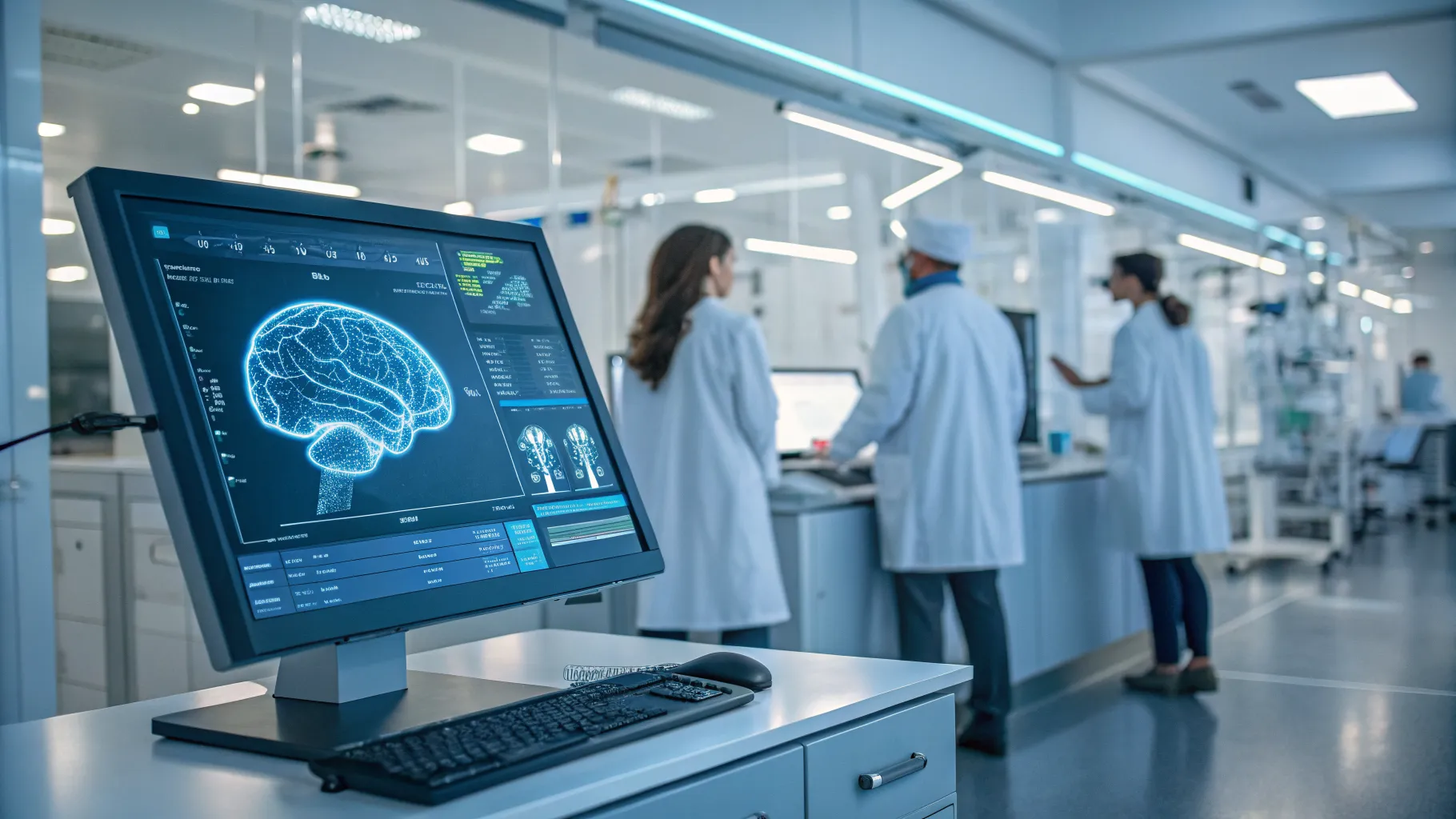
One of the most exciting areas in 2026 depression breakthroughs involves advanced neuromodulation therapies. Techniques such as Transcranial Magnetic Stimulation (TMS), Vagus Nerve Stimulation (VNS), and deep brain stimulation (DBS) are being refined and expanded. For example, personalized TMS protocols are now utilizing advanced neuroimaging to precisely target brain regions implicated in depression, drastically improving response rates. Beyond conventional applications, novel forms of non-invasive brain stimulation are gaining traction, offering patients less intrusive yet highly effective options. These advancements are critical as they provide alternatives for those resistant to pharmacotherapy, offering a renewed sense of potential for overcoming persistent symptoms of clinical depression protocols.
Personalized TMS and Adaptive Stimulation
The evolution of TMS has seen a significant leap with the integration of AI-driven personalization. Instead of generic protocols, systems now adapt stimulation parameters in real-time based on individual brain activity, optimizing therapeutic effects. This approach minimizes side effects and maximizes treatment efficacy, making personalized depression treatment a tangible reality. Further, research into adaptive stimulation devices that can be used more flexibly by patients at home, under remote clinical supervision, is set to revolutionize access to these cutting-edge mental health innovations.
The Rise of Psychedelic-Assisted Therapies
Perhaps one of the most talked-about 2026 depression breakthroughs is the increasingly mainstream acceptance and integration of psychedelic-assisted therapies. Compounds like psilocybin and MDMA, when administered in controlled clinical settings alongside psychotherapy, have shown remarkable efficacy in treating severe and treatment-resistant depression. Rigorous clinical trials continue to validate their safety and effectiveness, paving the way for their broader adoption within regulated healthcare frameworks. These therapies work by potentially enhancing neuroplasticity and allowing individuals to process traumatic experiences and negative thought patterns more effectively, leading to sustained improvements in mood and outlook for many suffering from clinical depression protocols.
Integration with Psychotherapy
The effectiveness of psychedelic-assisted therapy is inextricably linked to the concurrent provision of comprehensive psychotherapy. Patients undergo preparatory sessions, guided psychedelic experiences, and integration therapy afterwards to process insights and incorporate new perspectives into their daily lives. This holistic approach ensures that the therapeutic benefits are maximized and sustained, marking a significant advance in personalized depression treatment and overall mental health innovations.
Precision Psychiatry: Genetics and Biomarkers
The year 2026 marks a pivotal moment for precision psychiatry, where genetic profiling and biomarker identification are becoming integral to diagnosis and treatment selection for clinical depression protocols. Instead of a trial-and-error approach to medication, clinicians can now leverage an individual's genetic makeup to predict responsiveness to certain antidepressants or identify potential adverse reactions. This personalized approach reduces the time to effective treatment, minimizes patient suffering, and optimizes resource allocation. The integration of advanced diagnostics into routine clinical practice is a cornerstone of 2026 depression breakthroughs, promising a more scientific and patient-centric model of care.
Pharmacogenomic Testing and AI Diagnostics
Pharmacogenomic testing, which analyzes how an individual's genes affect their response to drugs, is becoming increasingly sophisticated and accessible. Coupled with artificial intelligence (AI) algorithms that can analyze vast datasets of patient information, including genetic markers, lifestyle factors, and symptom profiles, clinicians can now make highly informed decisions regarding medication choices and dosage. This represents a significant stride towards truly personalized depression treatment, moving beyond generalized guidelines to highly specific, individual-tailored interventions that truly embody mental health innovations.
Integrating Digital Therapeutics and AI in Care Pathways
Digital therapeutics (DTx) and AI-powered platforms are revolutionizing the delivery and accessibility of clinical depression protocols. From AI chatbots providing cognitive behavioral therapy (CBT) exercises to virtual reality (VR) environments designed for exposure therapy or mindfulness training, these tools extend the reach of mental health support beyond traditional clinic walls. They offer scalable, accessible, and often engaging ways for individuals to manage symptoms, track progress, and receive support, complementing in-person care. These technological mental health innovations are particularly vital in addressing the widespread challenge of access to specialized mental health services.
Smart Monitoring and Predictive Analytics
Wearable devices and smartphone apps equipped with advanced sensors and AI can now passively monitor biometric data, sleep patterns, activity levels, and even speech patterns, providing early indicators of a worsening mood or potential relapse. Predictive analytics can then alert patients and clinicians, enabling proactive interventions. This continuous, unobtrusive monitoring is transforming reactive care into preventative and personalized care, making these 2026 depression breakthroughs invaluable for long-term management and relapse prevention, offering truly personalized depression treatment.
Comparison of Traditional vs. Breakthrough Protocols
Historically, clinical depression protocols primarily relied on a combination of antidepressant medications and various forms of psychotherapy. While effective for many, these approaches often involved significant trial-and-error periods, potential side effects, and limitations in addressing treatment-resistant cases. The breakthrough protocols for clinical depression in 2026, however, offer a distinct advantage. Traditional methods often follow a more generalized, "one-size-fits-all" approach, whereas new methods prioritize personalized depression treatment based on individual biological and psychological profiles. For example, where traditional medication might take weeks to show effect and have varying degrees of success, new neuromodulation therapies can offer quicker and more targeted symptomatic relief. Furthermore, the integration of mental health innovations like digital therapeutics and psychedelic-assisted therapies offers a broader spectrum of interventions, addressing aspects of depression that conventional methods might miss. This shift signifies a move from symptom management to root-cause intervention and truly holistic recovery.
Actionable Advice: Embracing New Treatment Paths
Navigating the rapidly evolving landscape of clinical depression protocols can be daunting. Here’s how individuals and caregivers can proactively explore the breakthrough protocols for clinical depression in 2026:
- Consult Specialists: Seek out psychiatrists or neurologists who specialize in advanced neuromodulation therapies and personalized depression treatment. They can assess if these newer options are suitable for your specific condition.
- Stay Informed: Regularly review reputable medical journals and mental health organizations' publications for updates on 2026 depression breakthroughs. Knowledge empowers better decision-making.
- Discuss Pharmacogenomic Testing: Ask your doctor about pharmacogenomic testing. This can help tailor medication choices more effectively, reducing trial-and-error and potential side effects.
- Consider Integrated Care Models: Look for clinics that offer integrated approaches, combining traditional psychotherapy with newer modalities like digital therapeutics or psychedelic-assisted therapy where available and appropriate.
- Advocate for Yourself: Be proactive in discussing your treatment preferences and progress with your healthcare team. Open communication is key to developing an effective personalized depression treatment plan.
Frequently Asked Questions
Are breakthrough protocols for clinical depression in 2026 widely available?
While some 2026 depression breakthroughs like advanced TMS are becoming more accessible, others such as psychedelic-assisted therapies are still in various stages of regulatory approval and clinical availability. Availability often depends on your region and specific clinical guidelines, so it's best to consult with your mental healthcare provider.
How do neuromodulation therapies compare to medication?
Neuromodulation therapies offer a different mechanism of action compared to traditional medications, directly targeting brain activity. They can be highly effective for individuals who haven't responded well to medication, often providing faster and more sustained relief with different side effect profiles. They are frequently used in conjunction with medication or as an alternative when medication is ineffective.
What is personalized depression treatment?
Personalized depression treatment involves tailoring therapeutic approaches based on an individual's unique biological, genetic, and psychological profile. This can include pharmacogenomic testing to guide medication choice, AI-driven diagnostics, and customized neuromodulation therapies protocols, aiming for more precise and effective interventions for clinical depression protocols.
References
- World Health Organization. (2023). Depression and other common mental disorders: global health estimates.
- American Psychiatric Association. (2022). Practice Guideline for the Treatment of Patients With Major Depressive Disorder.
- Journal of Affective Disorders. (2024). Advances in Neuromodulation for Treatment-Resistant Depression.
- Lancet Psychiatry. (2025). Emerging Psychedelic-Assisted Therapies for Depression: A Clinical Review.
- National Institute of Mental Health. (2024). Research on Digital Therapeutics for Mental Health.