Warning Signs: Understanding Poor Blood Flow in the Legs
Facts:
- Peripheral artery disease affects millions globally.
- Early detection of poor circulation symptoms in legs is crucial for timely intervention.
Identifying the Key Signs of Poor Blood Flow in the Legs
Understanding blood flow in the legs is vital for maintaining overall health and preventing serious complications. When circulation is compromised, your legs may not receive adequate oxygen and nutrients, leading to a range of symptoms. Recognizing the early signs of poor blood flow in the legs can empower individuals to seek medical attention promptly, significantly improving outcomes and quality of life. This guide will delve into the various indicators, from subtle changes to more pronounced discomfort, helping you identify when it might be time to consult a healthcare professional about potential leg circulation problems.
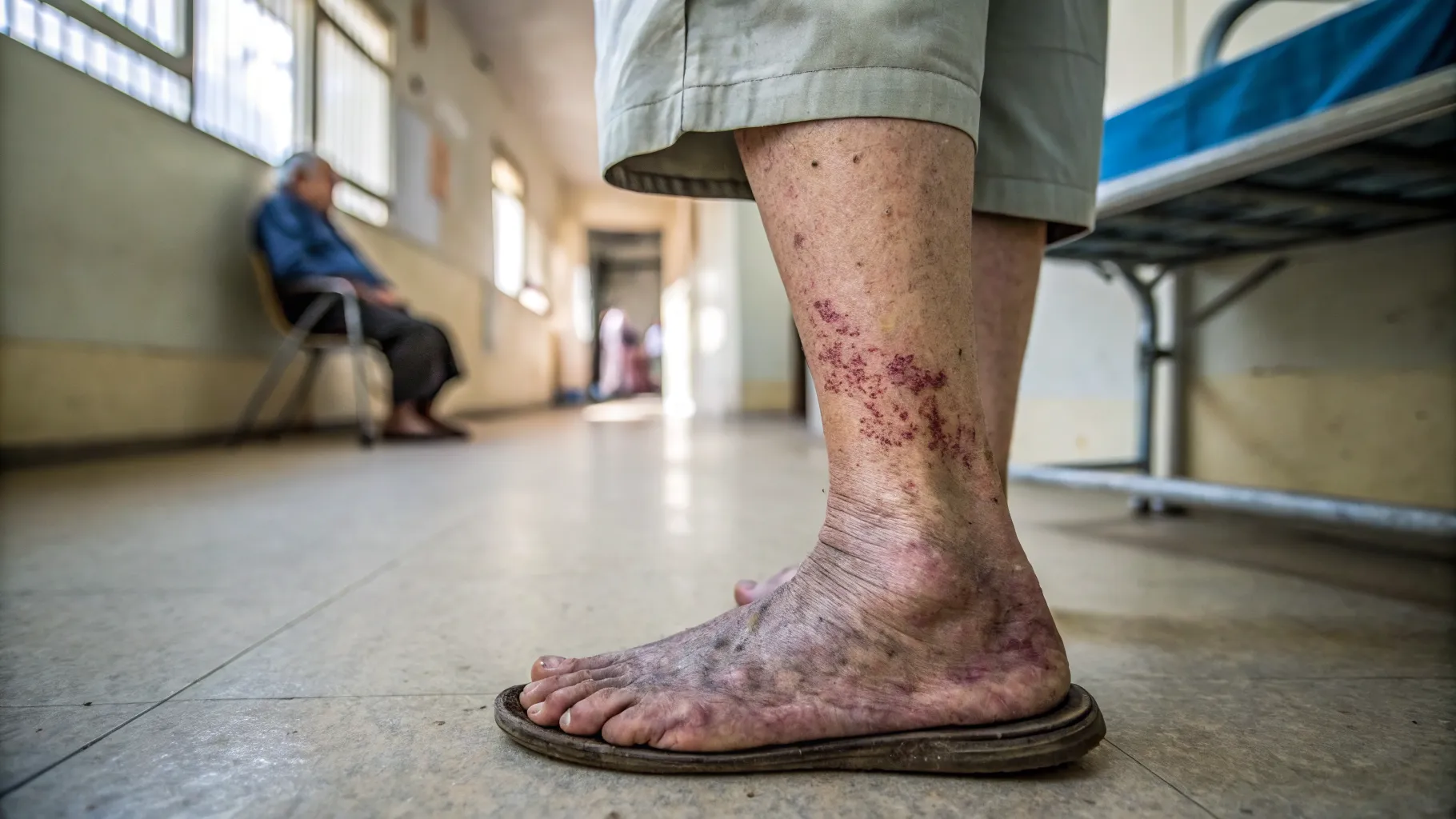
Common Symptoms Indicating Poor Circulation in Legs
One of the most frequently reported signs of poor blood flow in the legs is intermittent claudication. This condition manifests as pain, cramping, or numbness in the leg muscles during exercise, which typically subsides with rest. The location of the pain often indicates where the artery is narrowed or blocked. For example, pain in the calf might suggest a problem in the femoral artery. As the disease progresses, these poor circulation symptoms in legs can become more severe, occurring even at rest, particularly at night. It's imperative to differentiate this from regular muscle fatigue, as persistent or worsening discomfort is a significant red flag for leg circulation problems.
Changes in Skin and Nail Health: Visible Warning Signs
Beyond internal discomfort, poor circulation symptoms in legs often present outwardly through changes in the skin and nails. The skin on the affected leg or foot may appear shiny, thin, or feel cool to the touch due to reduced blood supply. Discoloration is another critical indicator; legs might look pale, bluish (cyanotic), or even reddish-purple when dangling, known as dependent rubor. Hair loss on the legs and feet, along with slow-growing toenails or nails that become brittle and thick, are also telling warning signs of poor circulation. These changes occur because the tissues are not receiving the necessary nourishment from the blood, impacting their normal regenerative processes and overall health.
Swelling, Numbness, and Weakness: Neurological and Physical Manifestations
Reduced blood flow can also lead to a range of neurological and physical symptoms. Persistent swelling in the feet and ankles, known as edema, can be a direct result of fluid retention due to compromised venous return, which is closely linked to overall circulation. Numbness or tingling sensations, often described as 'pins and needles,' can occur when nerves are deprived of adequate blood supply, leading to nerve damage over time. Muscle weakness in the legs is another concerning sign of poor blood flow in the legs, making simple tasks like walking or climbing stairs difficult. These symptoms collectively paint a picture of significant leg circulation problems that demand professional evaluation.
Non-Healing Sores and Infections: Advanced Stages of Leg Circulation Problems
In more advanced stages, poor circulation symptoms in legs can lead to serious complications, particularly non-healing sores or ulcers on the feet, ankles, or lower legs. Even minor cuts, scrapes, or insect bites may struggle to heal because the compromised blood flow prevents essential healing factors, such as oxygen, nutrients, and immune cells, from reaching the wound site effectively. This makes the affected limb highly susceptible to infections, which can spread rapidly and become severe, potentially leading to gangrene and, in extreme cases, amputation. Recognizing these as critical warning signs of poor circulation is paramount for immediate medical intervention.
Understanding Blood Flow in the Legs: Causes and Risk Factors
While identifying the signs of poor blood flow in the legs is crucial, it's equally important to understand the underlying causes and risk factors. Peripheral Artery Disease (PAD) is the most common culprit, where arteries narrow due to plaque buildup (atherosclerosis). Risk factors for PAD and consequently, leg circulation problems, include smoking, diabetes, high blood pressure, high cholesterol, obesity, and a family history of heart disease or stroke. Lifestyle choices play a significant role in both the development and management of these conditions. A sedentary lifestyle further exacerbates the problem, highlighting the interconnectedness of various health aspects in maintaining optimal circulation.
When to Seek Medical Attention for Leg Circulation Problems
Recognizing the signs of poor blood flow in the legs and knowing when to act is key to preventing severe health issues. If you experience persistent leg pain, especially during exercise, or any changes in skin color, temperature, or the presence of non-healing sores, it's crucial to consult a doctor. Early diagnosis of leg circulation problems allows for timely intervention, which can include lifestyle modifications, medication, or in some cases, surgical procedures. Don't dismiss these as minor aches; they could be vital warning signs of poor circulation requiring professional assessment to protect your long-term vascular health.
Proactive Steps for Improving Leg Circulation
- Regular Exercise: Engage in consistent physical activity, such as walking or cycling, to stimulate blood flow and strengthen your cardiovascular system. Even short, daily walks can significantly improve understanding blood flow in the legs.
- Maintain a Healthy Diet: Adopt a diet rich in fruits, vegetables, lean proteins, and whole grains. Limit saturated and trans fats, cholesterol, and sodium to manage blood pressure and cholesterol levels, reducing the risk of poor circulation symptoms in legs.
- Quit Smoking: Smoking is a major risk factor for PAD and severely impairs circulation. Quitting smoking is one of the most impactful steps you can take to alleviate leg circulation problems.
- Manage Underlying Conditions: Effectively manage conditions like diabetes, high blood pressure, and high cholesterol with your doctor's guidance. Regular monitoring and medication adherence are crucial.
- Stay Hydrated: Drinking adequate water helps maintain blood volume and viscosity, facilitating smoother blood flow throughout the body and reducing the likelihood of warning signs of poor circulation.
- Elevate Your Legs: Periodically elevating your legs above your heart can help improve venous return and reduce swelling, which can be one of the early signs of poor blood flow in the legs.
- Avoid Prolonged Sitting or Standing: If your job requires long periods of sitting or standing, take breaks to move around and stretch your legs. This prevents blood pooling and supports healthy circulation.
Frequently Asked Questions
What are the earliest signs of poor blood flow in the legs?
The earliest signs often include leg pain or cramping during physical activity that subsides with rest, known as claudication, along with changes in skin temperature or color.
Can lifestyle changes reverse poor circulation symptoms in legs?
While severe blockages may require medical intervention, significant lifestyle changes such as quitting smoking, exercising regularly, and adopting a healthy diet can often improve symptoms and slow the progression of leg circulation problems.
Is numbness in the feet always a warning sign of poor circulation?
Numbness can be a warning sign, especially if it's persistent or accompanied by other symptoms like pain or skin changes. However, it can also be caused by other conditions, so medical evaluation is important.
How is understanding blood flow in the legs assessed by a doctor?
Doctors typically assess blood flow through a physical exam, ankle-brachial index (ABI) test, Doppler ultrasound, or angiography to determine the severity and location of any blockages.
What foods are good for improving leg circulation problems?
Foods rich in antioxidants, omega-3 fatty acids, and nitrates, such as leafy greens, berries, fatty fish, and nuts, can support vascular health and improve circulation.
References
- American Heart Association. (2024). Peripheral Artery Disease.
- National Heart, Lung, and Blood Institute. (2023). What Is Peripheral Artery Disease?
- Mayo Clinic. (2024). Peripheral artery disease (PAD).
- Cleveland Clinic. (2023). Poor Circulation.
- Vascular Cures. (2022). Understanding Vascular Disease.