A Comprehensive Guide to Modern Carpet Cleaning Methods
Facts:
- Most carpets should be professionally cleaned every 12-18 months.
- Eco-friendly cleaning solutions are a growing trend for home carpet care.
Choosing the Right Approach for Impeccable Floors
Maintaining the beauty and longevity of your carpets requires more than just regular vacuuming. Over time, dirt, allergens, and grime become deeply embedded in the fibers, necessitating a more thorough approach. Understanding the various carpet cleaning methods available is the first step towards effective home carpet care. From professional services to DIY techniques, each method offers unique benefits tailored to different carpet types, soil levels, and specific problems like stubborn stains or persistent odors. This guide will explore the most effective techniques to help you make an informed decision for a cleaner, healthier home environment, focusing on everything from deep carpet cleaning to targeted spot treatments.
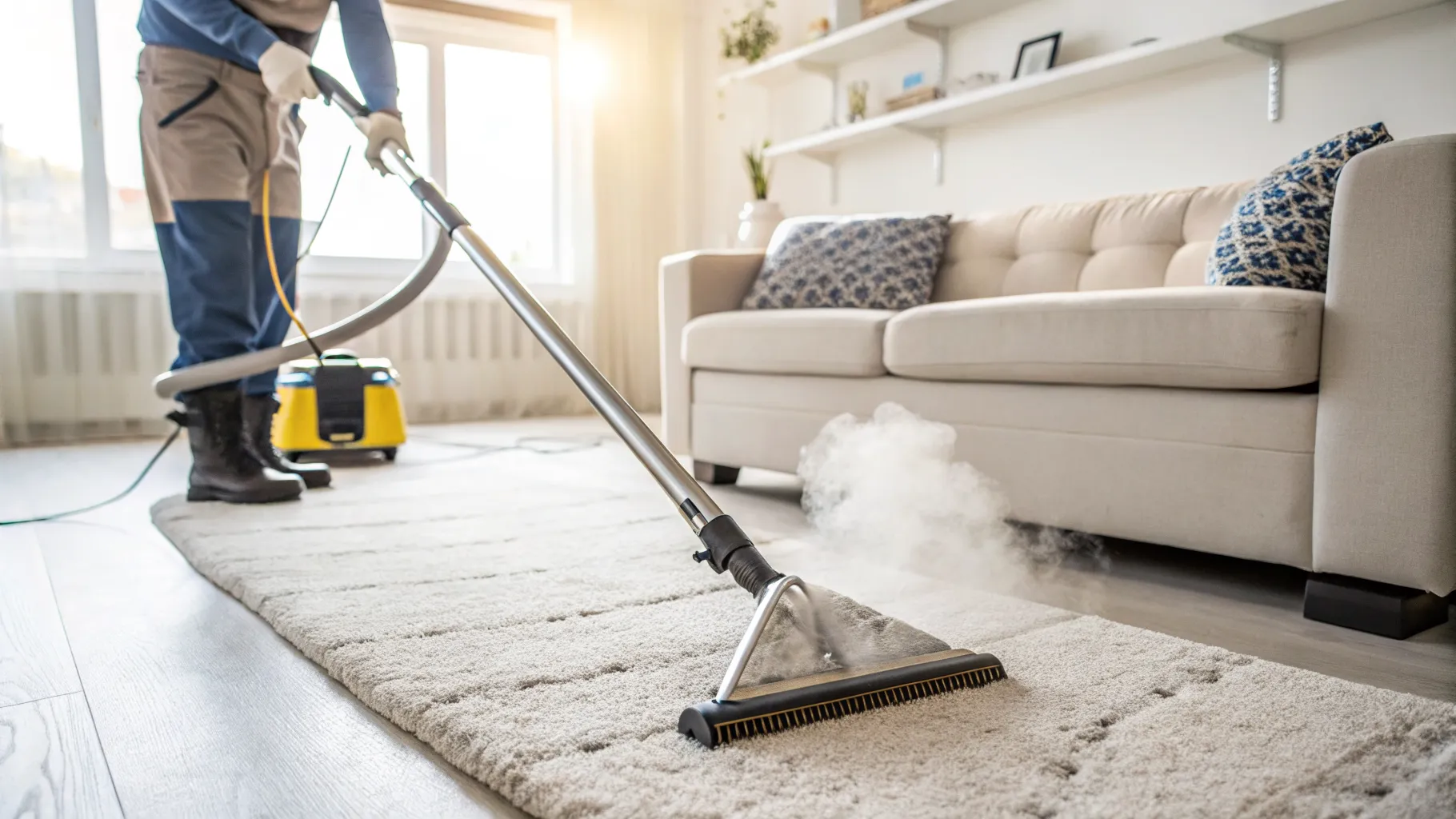
Hot Water Extraction (Steam Cleaning): The Gold Standard
Often referred to as steam cleaning, hot water extraction is widely considered the most effective method for a true deep carpet cleaning. This process involves injecting a high-pressure solution of hot water and cleaning agents into the carpet fibers. A powerful vacuum simultaneously extracts the solution along with the dislodged dirt, allergens, and debris. This method is exceptionally proficient at sanitizing carpets and is a cornerstone of professional carpet cleaning methods. It is particularly effective for families with pets or allergy sufferers due to its ability to flush out contaminants. While highly effective, it does have a longer drying time, typically between 6 to 12 hours, which is a key consideration for high-traffic areas. Proper execution is crucial to avoid over-wetting, which can lead to mold or mildew growth, emphasizing the importance of hiring certified professionals for this type of home carpet care.
Dry Carpet Cleaning: Low-Moisture Solutions
For situations where quick drying times are essential, dry carpet cleaning presents an excellent alternative. There are several techniques under this umbrella, with the most common being dry compound cleaning. This method involves spreading a biodegradable, absorbent compound over the carpet. A specialized machine with counter-rotating brushes agitates the compound deep into the fibers, where it absorbs dirt and grime. After a short period, the compound is thoroughly vacuumed up, leaving the carpet clean and dry almost immediately. This is one of the most convenient carpet cleaning methods for commercial spaces or busy households. It is also highly effective for specific carpet stain removal tasks on moisture-sensitive carpets like sisal or jute. Another low-moisture technique is encapsulation, where a polymer-based detergent crystallizes around dirt particles, which are then vacuumed away.
Carpet Shampooing: The Traditional Approach
Carpet shampooing was once the most popular method, but it has largely been superseded by more advanced techniques like hot water extraction. The process involves applying a specially formulated shampoo to the carpet and agitating it with a rotary brush machine to create a thick foam. The theory is that the foam suspends the dirt, which is then vacuumed up once the carpet is dry. A significant drawback is that this method can leave behind a sticky soap residue if not rinsed properly, which can attract more dirt over time. However, modern advancements have improved shampoo formulations, and it can still be a viable option for heavily soiled carpets that require aggressive agitation. When considering different carpet cleaning methods, shampooing is often seen as a preliminary step before a thorough hot water extraction rinse for the ultimate deep carpet cleaning.
DIY vs. Professional Carpet Cleaning Services
The choice between doing it yourself and hiring a professional is a common dilemma in home carpet care. Renting a machine from a local store can be a cost-effective solution for light, regular maintenance. However, these consumer-grade machines often lack the heat and suction power of professional equipment, potentially leaving carpets overly wet and with cleaning solution residue. For a genuine deep carpet cleaning experience that tackles embedded allergens, tough stains, and achieves optimal carpet odor removal, professional services are unparalleled. Professionals use commercial-grade equipment and have the expertise to assess your carpet type and choose the most appropriate carpet cleaning methods, ensuring a safe and thorough cleaning without damaging the fibers. Their expertise in carpet stain removal for specific substances like wine, ink, or pet accidents is often worth the investment.
Actionable Steps for Effective Carpet Maintenance
Beyond professional cleanings, consistent care can significantly extend the life and appearance of your carpets. Integrating these practices into your routine will make future deep cleanings more effective and manageable.
- Regular Vacuuming: Vacuum high-traffic areas at least twice a week. This is the most critical aspect of home carpet care, as it removes the dry soil particles that can abrade and dull carpet fibers over time.
- Immediate Spot Treatment: Address spills as soon as they happen. Blot, don't rub, the stain with a clean white cloth. Having a good spot cleaner on hand is crucial for effective carpet stain removal before a stain sets.
- Use Doormats: Place mats at all entrances to trap dirt, grit, and moisture before they are tracked onto your carpets. This simple step can drastically reduce the amount of soil that accumulates.
- Address Smells Promptly: For odor issues, baking soda can be a great natural deodorizer. Sprinkle it liberally, let it sit for a few hours, and then vacuum thoroughly. For persistent smells, specialized products or a professional service focused on carpet odor removal may be necessary.
Frequently Asked Questions
What is the most effective method for deep carpet cleaning?
Hot Water Extraction, commonly known as steam cleaning, is widely regarded as the most effective method for a deep carpet cleaning. Its ability to use high-pressure hot water and powerful suction removes deeply embedded dirt, allergens, and bacteria, making it superior for restorative cleaning.
How often should I have my carpets professionally cleaned?
Most carpet manufacturers recommend a professional cleaning every 12 to 18 months, depending on the level of foot traffic, presence of pets, and household members with allergies. Regular professional cleaning is a key component of long-term home carpet care.
Can I perform effective carpet stain removal myself?
Yes, many common stains can be handled as a DIY task if addressed quickly. However, for stubborn or complex stains like ink, wine, or pet urine, professional carpet stain removal techniques and solutions are often required to avoid permanent damage or discoloration.
Are dry carpet cleaning methods as good as wet methods?
Dry carpet cleaning methods are excellent for maintenance cleaning, low-moisture needs, and specific carpet types. While they offer convenience with no drying time, they may not match the sanitizing and deep restorative power of hot water extraction for heavily soiled carpets.
References
- The Carpet and Rug Institute (CRI)
- Institute of Inspection, Cleaning and Restoration Certification (IICRC)
- Journal of Environmental Health Studies
- Home Care and Maintenance Manuals