Recognizing the Early Warning Signs of Heart Valve Disease
Your heart's four valves work tirelessly to keep blood flowing in the right direction. When one or more of these valves don't open or close properly, it can disrupt blood flow and impact your overall health. Recognizing the early indicators of heart valve issues is crucial, as symptoms can be subtle at first and easily mistaken for normal signs of aging or being out of shape.
What Do Heart Valves Do?
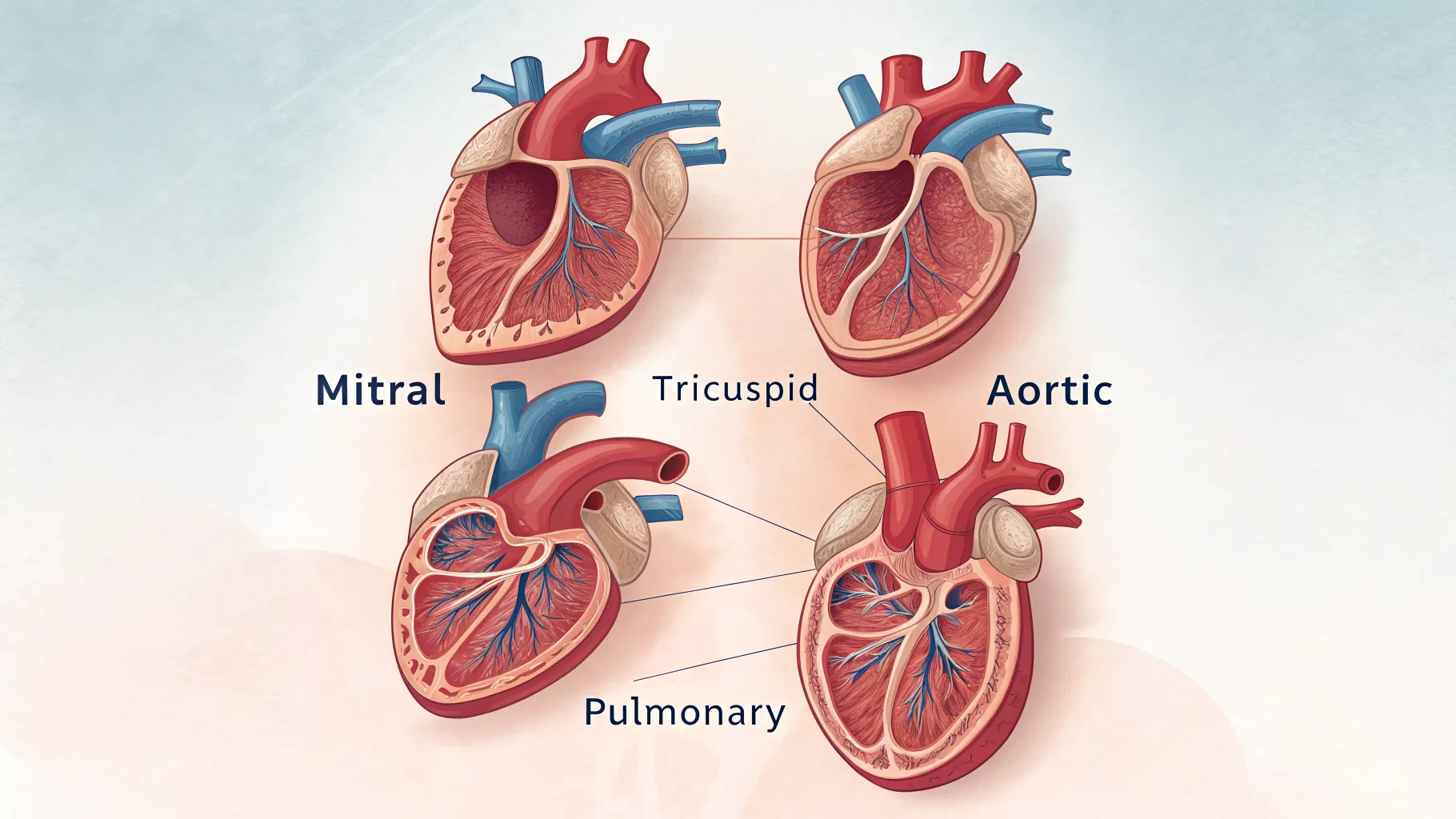
Before diving into the symptoms, it's helpful to understand the role of your heart valves. Your heart has four valves: the tricuspid, pulmonary, mitral, and aortic valves. These act as one-way gates, opening to let blood move forward through the chambers of your heart and out to your body, then closing tightly to prevent it from flowing backward. This coordinated action ensures efficient circulation with every heartbeat.
Heart valve disease occurs when a valve is not working correctly. This can happen in two main ways. Stenosis is when the valve flaps become stiff or fused, narrowing the opening and restricting blood flow. Regurgitation, or insufficiency, is when the valve doesn't close completely, allowing blood to leak backward. Both conditions force your heart to work harder to pump the same amount of blood.
Changes in Breathing and Stamina
One of the most common early signs of a heart valve problem is shortness of breath, especially during physical activity or when lying down flat. You might find yourself getting winded more easily during routine tasks like climbing stairs or carrying groceries. This happens because the inefficient blood flow causes pressure to build up in the blood vessels of your lungs.
Alongside breathlessness, you may experience a significant and persistent sense of fatigue or weakness. This isn't just feeling tired after a long day; it's a profound lack of energy that can interfere with daily life. When your heart has to work harder to compensate for a faulty valve, it diverts energy and oxygenated blood from the rest of your body, leading to this feeling of exhaustion.
Unexplained Swelling or Fluid Retention
Noticeable swelling, known as edema, in your ankles, feet, or legs can be a red flag for heart valve issues. When a valve isn't working efficiently, it can lead to a backup of blood in your veins. This increased pressure can cause fluid to leak out of the blood vessels and into surrounding tissues, resulting in swelling.
In some cases, fluid can also accumulate in the abdomen, causing a feeling of bloating or fullness. This type of fluid retention often indicates that the valve problem has progressed and is affecting the right side of your heart. It's an important symptom to discuss with a healthcare provider, as it points to the circulatory system's struggle to manage fluid balance effectively.
Heart-Related Sensations
Some people with heart valve disease experience sensations related to their heart's rhythm and function. These can include palpitations, which feel like a rapid, fluttering, or pounding heartbeat. An irregular heartbeat, or arrhythmia, can also be a sign that the heart's electrical system is being affected by the strain of the valve condition.
Chest discomfort or a feeling of pressure is another potential indicator. While it may not be the sharp, intense pain associated with a heart attack, it can feel like a tightness or pressure, particularly during exertion. This discomfort occurs because the heart muscle itself may not be receiving enough oxygen-rich blood due to the valve problem.
Dizziness and Lightheadedness
Feeling dizzy, lightheaded, or even fainting can be a serious symptom related to heart valve disease, particularly aortic stenosis. When a valve is severely narrowed, it can limit the amount of blood that gets pumped from the heart to the brain. This is especially true during or immediately after physical activity, when the body's demand for oxygenated blood increases.
These episodes occur because the brain is momentarily deprived of the adequate blood flow it needs to function properly. While dizziness can have many causes, when it's linked to a heart valve issue, it signifies that the condition may be significantly impacting blood circulation throughout your body and warrants prompt medical attention.
How Heart Valve Issues are Diagnosed
If you experience any of these symptoms, a doctor will likely start by listening to your heart with a stethoscope. A faulty valve often creates an abnormal sound called a heart murmur. While not all murmurs are a sign of disease, a new or distinct-sounding murmur is a key clue.
To get a definitive diagnosis, several tests may be used. The most common and effective is an echocardiogram, an ultrasound of the heart that provides detailed images of the valves and chambers, showing how well they are functioning. Other potential diagnostic tools include:
- An electrocardiogram (ECG or EKG) to check the heart's electrical activity.
- A chest X-ray to see the heart's size and shape.
- Cardiac catheterization to get a closer look at the heart's arteries and valve function.