Recognizing the Early Warning Signs of Fatty Liver Disease
Fatty liver disease is a condition characterized by the accumulation of excess fat in liver cells. It is becoming increasingly common worldwide and exists in two main forms: non-alcoholic fatty liver disease (NAFLD) and alcoholic fatty liver disease (AFLD). While the liver naturally contains some fat, a buildup can lead to inflammation and damage. Recognizing the condition early is key, but its initial stages are often silent, making it difficult to detect without specific medical tests.
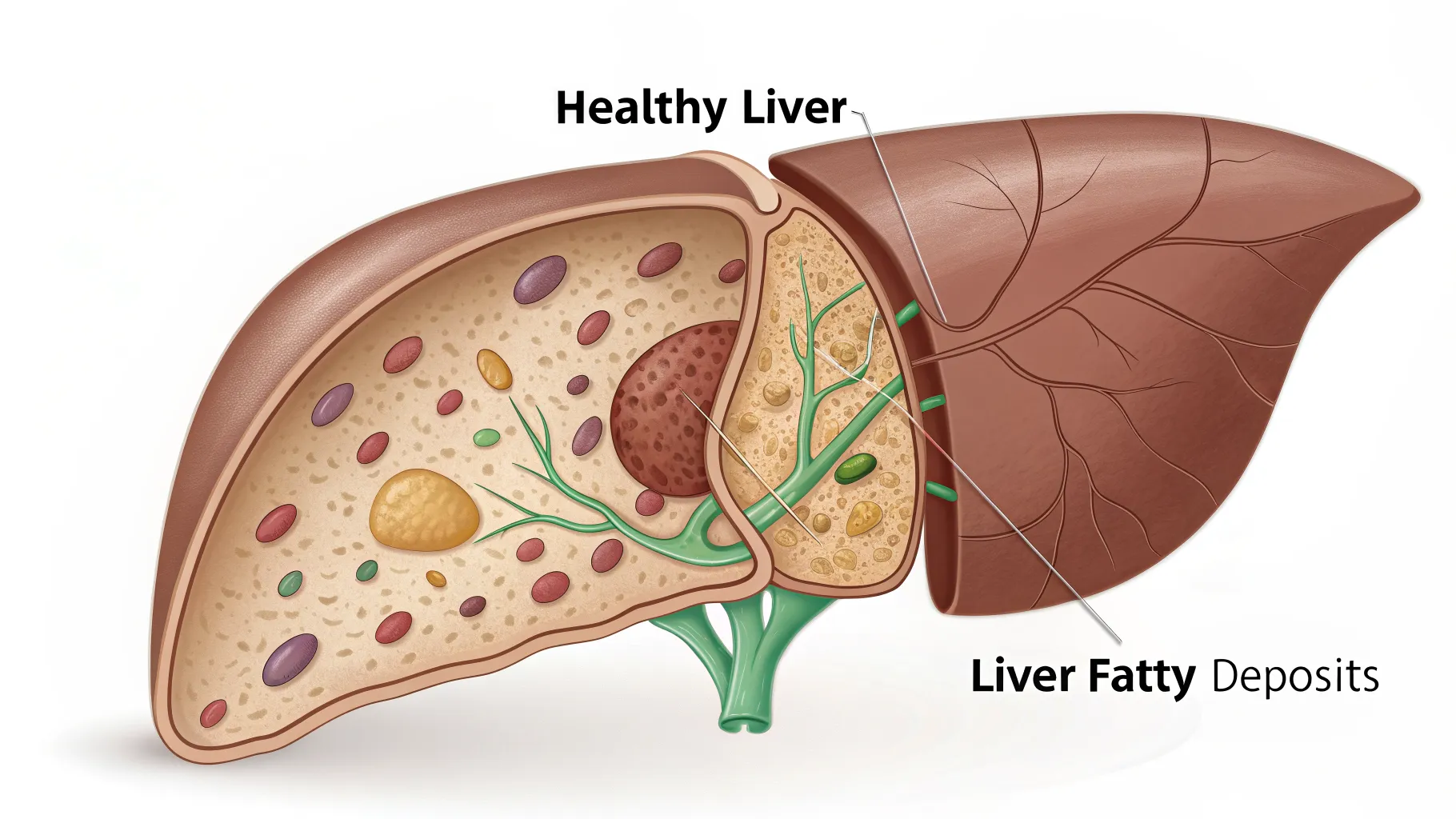
What is Fatty Liver Disease?
Understanding the two primary types of fatty liver disease can provide clarity. Non-alcoholic fatty liver disease (NAFLD) is a broad term for a range of liver conditions affecting people who drink little to no alcohol. The simplest form is simple fatty liver (steatosis), which can progress to non-alcoholic steatohepatitis (NASH), a more serious form involving liver inflammation and cell damage that can lead to scarring (fibrosis) or cirrhosis.
Alcoholic fatty liver disease (AFLD), on the other hand, is the result of excessive alcohol consumption. It is often the earliest stage of alcohol-related liver disease. With continued drinking, AFLD can progress to more severe conditions like alcoholic hepatitis and cirrhosis. For many people, AFLD is reversible if they abstain from alcohol early on.
The Silent Nature of Early Stages
One of the most challenging aspects of fatty liver disease is that it typically causes no signs or symptoms in its early stages. Many individuals live with fat accumulation in their liver for years without being aware of the condition. Because there are no overt symptoms like pain or jaundice, it often goes undiagnosed until it has progressed to a more advanced stage.
The lack of symptoms means that fatty liver is frequently discovered incidentally. For example, a doctor might notice abnormal results on a routine blood test measuring liver enzymes or see fat on the liver during an ultrasound performed for another reason. This highlights the importance of regular health checkups, especially for individuals with known risk factors.
Subtle Physical Signs to Watch For
While most people with early fatty liver disease are asymptomatic, some may experience vague or non-specific symptoms. One of the most commonly reported feelings is persistent fatigue or a profound sense of tiredness that is not relieved by rest. This fatigue can be debilitating and interfere with daily activities, yet it is often attributed to other causes like stress or lack of sleep.
Another potential early sign is a dull ache or discomfort in the upper right quadrant of the abdomen, which is where the liver is located. This sensation may feel like a sense of fullness or a mild, persistent pain. Because the liver can become enlarged due to fat buildup, it may press on surrounding tissues, causing this discomfort. However, like fatigue, this symptom is very general and can be caused by many other conditions.
Changes in Your Overall Well-being
Beyond specific physical sensations, fatty liver disease can sometimes manifest as a general decline in well-being. Some individuals might experience unexplained weight loss or a loss of appetite. These symptoms are more common as the liver damage progresses but can occasionally appear in earlier phases. It's important to pay attention to any persistent and unexplained changes in your body.
A feeling of weakness or general malaise can also be an indicator. When the liver is not functioning optimally, it can affect many systems throughout the body, leading to a vague sense of being unwell. These symptoms are easy to dismiss, but when they occur alongside other risk factors, they may warrant further investigation by a healthcare professional.
Key Risk Factors to Consider
Since early symptoms are rare, understanding the risk factors is a primary way to assess your potential for developing the condition. Awareness of these factors can prompt a conversation with your doctor about screening and preventive measures. Major risk factors are closely linked to metabolic health.
Key risk factors for non-alcoholic fatty liver disease include:
- Being overweight or having obesity, particularly with excess abdominal fat.
- Having type 2 diabetes or insulin resistance.
- High levels of triglycerides or abnormal cholesterol levels in the blood.
- Metabolic syndrome, a cluster of conditions that increase the risk of heart disease, stroke, and diabetes.
For alcoholic fatty liver disease, the primary risk factor is heavy and consistent alcohol use. Other factors, such as genetics and nutritional status, can also play a role in how an individual's liver processes alcohol.
How Fatty Liver Disease Is Diagnosed
If you or your doctor suspect fatty liver disease, several diagnostic tools can confirm its presence and assess its severity. The process usually begins with a physical exam and a review of your medical history, including lifestyle habits like diet and alcohol intake. Your doctor will likely order blood tests to check for elevated levels of liver enzymes, such as alanine aminotransferase (ALT) and aspartate aminotransferase (AST).
Imaging tests are also crucial for diagnosis. An abdominal ultrasound is often the first imaging study performed, as it can visually detect fat in the liver. Other imaging techniques like a CT scan or MRI may also be used. In some cases, to determine the extent of liver damage or inflammation, a doctor might recommend a liver biopsy, where a small tissue sample is removed from the liver and examined under a microscope.