Recognizing Liver Disease: Common Signs and Symptoms You Shouldn't Ignore
The liver is one of the body's most resilient and vital organs, responsible for hundreds of functions from filtering toxins to aiding digestion. Because of its remarkable ability to regenerate and function even when partially damaged, the signs of liver disease can often be subtle or easily mistaken for other conditions. Understanding the potential symptoms is a crucial first step in recognizing when it's time to seek professional medical advice.
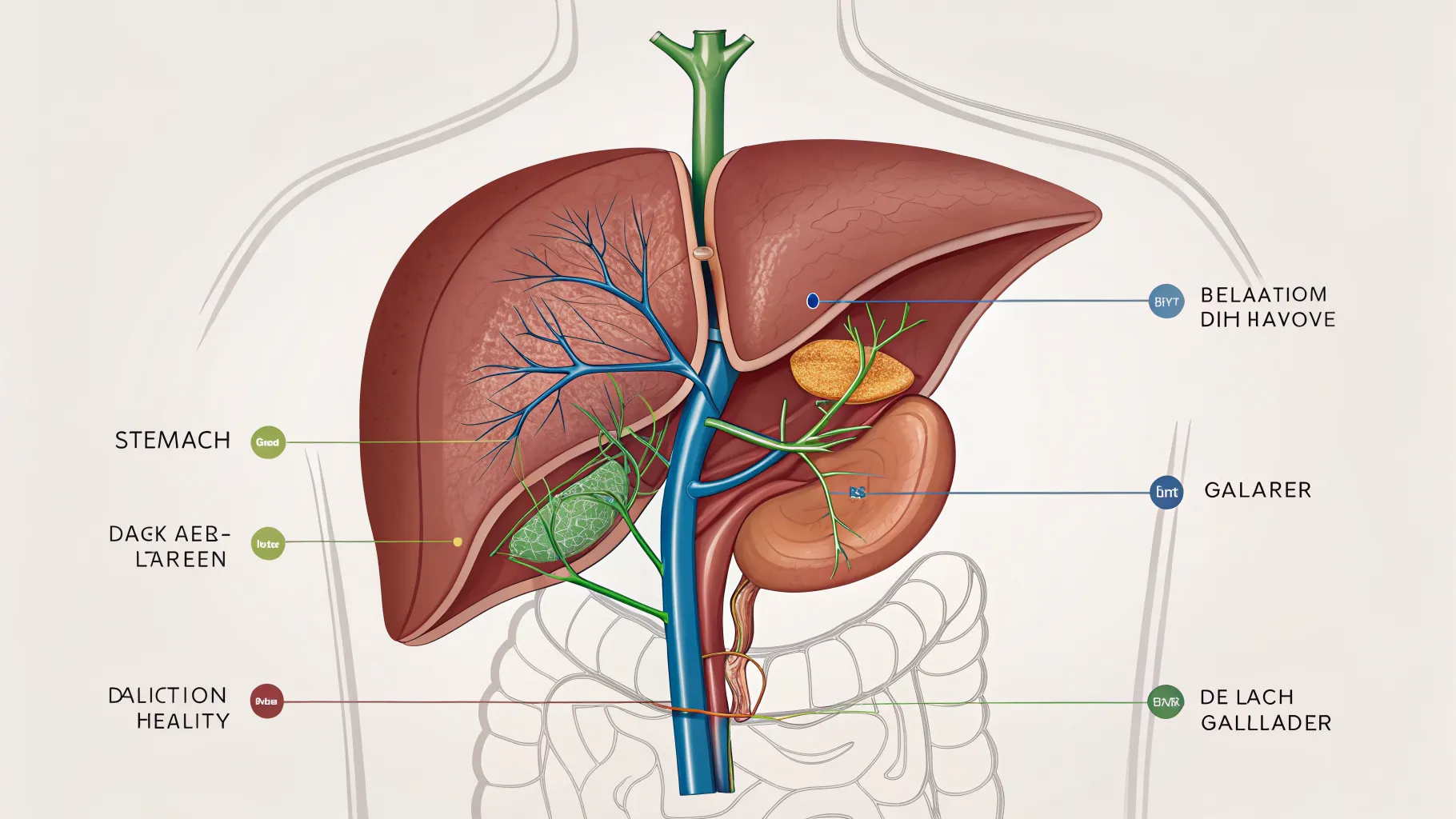
The Silent Organ: Why Early Symptoms are Often Subtle
In the early stages of liver disease, many individuals experience no symptoms at all. The liver has a large reserve capacity, meaning it can continue to perform its essential tasks even when it is not fully healthy. When symptoms do appear, they are often non-specific and can be attributed to other common ailments like stress or a viral illness.
Some of the earliest and most common indicators include persistent fatigue, a general feeling of being unwell (malaise), and a low-grade fever. You might also experience a dull, aching pain or discomfort in the upper right quadrant of your abdomen, where the liver is located. Because these signs are so general, they are frequently overlooked until the condition has progressed.
Skin and Eye Changes: Jaundice and Other Telltale Signs
One of the most widely recognized signs of liver problems is jaundice. This condition causes a yellowing of the skin and the whites of the eyes. It occurs when the liver is unable to properly process bilirubin, a yellow pigment formed from the breakdown of red blood cells. As bilirubin builds up in the blood, it leads to the characteristic yellow discoloration.
Other skin-related symptoms can also signal liver distress. Intense, persistent itching without a visible rash (pruritus) can be caused by bile products depositing in the skin. Additionally, you might notice that you bruise or bleed more easily. This happens because a damaged liver produces fewer proteins necessary for blood clotting.
Abdominal Swelling and Pain
As liver disease advances, fluid can accumulate in the abdomen, a condition known as ascites. This can cause the stomach to become visibly distended and feel tight or heavy. Ascites results from a combination of high pressure in the veins that supply the liver (portal hypertension) and low levels of a protein called albumin, which helps keep fluid in the blood vessels.
Fluid retention can also manifest in other parts of the body, particularly the legs, ankles, and feet. This is called edema. Along with swelling, some individuals experience persistent pain or a feeling of fullness in the upper right abdomen. This discomfort can range from a dull ache to a more sharp, noticeable pain that requires attention.
Changes in Urine and Stool Color
The color of your urine and stool can provide important clues about your liver's health. Urine that is persistently dark brown or orange in color may indicate that your body is excreting excess bilirubin through the kidneys because the liver cannot process it properly.
Conversely, stools may become very pale, clay-colored, or gray. This change happens when the liver's production of bile is blocked or reduced. Bile is what gives stool its normal brown color. In some cases, stool may appear tarry or have blood in it, which can be a sign of bleeding in the upper digestive tract, a complication sometimes associated with advanced liver disease.
Nausea, Vomiting, and Loss of Appetite
Digestive issues are common complaints for individuals with liver problems. Persistent nausea, a poor appetite, and unexplained weight loss can all be symptoms of a struggling liver. The liver plays a key role in digestion by producing bile, which helps break down fats. When liver function is impaired, this process can be disrupted, leading to digestive discomfort.
Vomiting can also occur, and in severe cases, it might contain blood. While these symptoms can be caused by a wide range of conditions, their persistence, especially when combined with other signs mentioned here, should prompt a conversation with a healthcare provider to investigate the underlying cause.
Cognitive and Neurological Symptoms
In advanced stages of liver disease, a serious complication known as hepatic encephalopathy can develop. This occurs when the liver can no longer effectively remove toxins from the blood. As these toxins accumulate, they can travel to the brain and impair its function.
Symptoms of hepatic encephalopathy can range from mild to severe. Early signs may include minor confusion, difficulty concentrating, mood swings, or changes in sleep patterns. As the condition progresses, it can lead to more significant memory loss, disorientation, slurred speech, and severe lethargy. These neurological symptoms are a clear indicator that the liver is severely compromised.
When to Consult a Healthcare Professional
Many of the signs and symptoms discussed can be caused by conditions other than liver disease. However, if you experience any of them persistently, or if you have multiple symptoms at once, it is important to seek a medical evaluation. A doctor can perform physical exams, blood tests, and imaging studies to determine the health of your liver and identify the cause of your symptoms.
Early detection and diagnosis are critical for managing liver conditions effectively. Do not attempt to self-diagnose or ignore concerning symptoms. A healthcare professional can provide an accurate diagnosis and guide you toward the appropriate next steps for your health.