A Guide to Relieving Nerve Pain in Your Legs
Nerve pain, or neuralgia, in the legs can manifest as a sharp, burning, or tingling sensation that disrupts daily activities. Understanding the underlying causes is the first step toward effective management. This article provides a comprehensive overview of strategies to help soothe and control nerve-related leg discomfort, from medical treatments to at-home care routines.
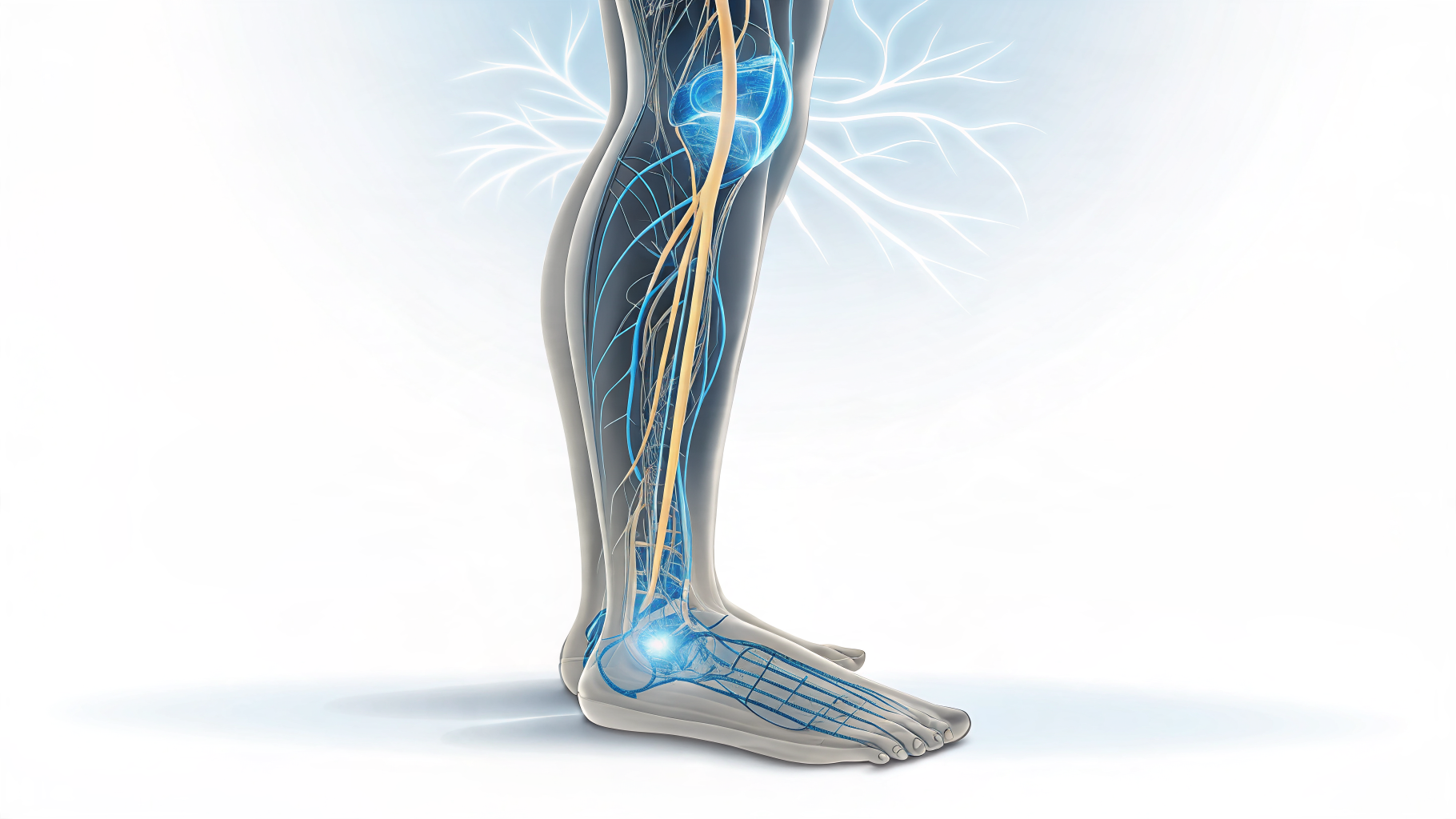
Understanding the Causes of Leg Nerve Pain
Nerve pain in the legs, often referred to as peripheral neuropathy or sciatica, can stem from various sources. One of the most common causes is physical nerve damage or compression. For instance, a herniated disc in the lower back can press on the sciatic nerve, causing pain to radiate down the leg. Similarly, conditions like spinal stenosis, a narrowing of the spinal canal, can put pressure on nerves.
Systemic diseases are another major contributor. Diabetes is a leading cause of peripheral neuropathy, where high blood sugar levels damage nerves over time, typically starting in the feet and legs. Other contributing conditions can include vitamin deficiencies (especially B vitamins), certain infections, autoimmune diseases, and injuries. Identifying the root cause with a healthcare professional is crucial for targeted and effective relief.
Medical and Professional Interventions
When dealing with persistent nerve pain, consulting a healthcare provider is essential. A doctor can recommend various medical treatments tailored to your specific condition. Over-the-counter pain relievers can sometimes help with mild pain, but moderate to severe nerve pain may require prescription medications. These can include certain antidepressants or anti-seizure drugs that are effective at calming nerve signals.
Physical therapy is another cornerstone of treatment. A physical therapist can design a customized program of exercises and stretches to improve strength, flexibility, and balance. This can help relieve pressure on compressed nerves and improve overall function. In some cases, a doctor might suggest injections or other procedures to reduce inflammation and block pain signals at the source.
At-Home Management and Lifestyle Adjustments
Managing nerve pain often involves a combination of professional treatment and consistent at-home care. One of the most impactful lifestyle changes is adopting a healthy diet rich in fruits, vegetables, whole grains, and lean proteins. This can help reduce inflammation and provide essential nutrients for nerve health. If your neuropathy is related to diabetes, maintaining stable blood sugar levels through diet and monitoring is critical.
Other simple adjustments can also make a significant difference. Wearing comfortable, supportive footwear can reduce pressure on the nerves in your feet. It is also wise to avoid prolonged periods of sitting or standing, as this can aggravate nerve compression. Taking regular breaks to stretch and move around can improve circulation and alleviate discomfort.
The Role of Gentle Exercise
While intense exercise might seem counterintuitive when you are in pain, gentle physical activity is highly beneficial for nerve health. Low-impact exercises help increase blood flow to the legs and feet, delivering vital oxygen and nutrients that support nerve repair and function. Regular movement also helps maintain muscle strength, which supports the joints and can prevent further injury.
Consider incorporating some of the following activities into your routine:
- Walking: A simple, low-impact activity that improves circulation.
- Swimming or Water Aerobics: The buoyancy of water supports your body, reducing stress on joints while you exercise.
- Yoga or Tai Chi: These practices combine gentle stretching, movement, and mindfulness, which can improve flexibility and reduce pain perception.
- Stretching: Specific stretches can help relieve pressure on compressed nerves, particularly in cases like sciatica.
Topical Treatments and Supplements
In addition to oral medications, some individuals find relief using topical treatments applied directly to the skin. Creams and patches containing ingredients like capsaicin, derived from chili peppers, can help by desensitizing nerve endings over time. Other topicals may contain lidocaine, a local anesthetic that provides temporary numbing relief. These can be particularly helpful for localized pain.
Certain dietary supplements may also support nerve health, though it is crucial to speak with a doctor before starting any new regimen. B vitamins, especially B1, B6, and B12, are essential for nerve function. Alpha-lipoic acid, an antioxidant, has been studied for its potential to reduce symptoms of diabetic neuropathy. Fish oil, which is rich in omega-3 fatty acids, may help reduce inflammation associated with nerve pain.
When to Seek Professional Medical Advice
While many strategies can help manage leg nerve pain, certain symptoms should prompt an immediate visit to a doctor. Self-diagnosing can be risky, as nerve pain can be a sign of a serious underlying condition that requires prompt treatment. A proper diagnosis is the first step toward finding the right path to relief.
You should consult a healthcare professional if you experience any of the following:
- Pain that is sudden, severe, or progressively worsening.
- Weakness or numbness that affects your ability to walk or maintain balance.
- Loss of bladder or bowel control, which can signal a medical emergency.
- Pain that follows a recent injury to your back or legs.
- Signs of infection, such as redness, swelling, or a fever accompanying the pain.