12 Effective Ways to Find Sciatica Relief
Sciatic nerve pain, often called sciatica, can range from a mild ache to a sharp, debilitating discomfort that affects your daily life. It occurs when the sciatic nerve, the longest nerve in your body, becomes pinched or irritated. Finding effective relief often involves a combination of strategies tailored to the underlying cause of your symptoms. Below, we explore a dozen different approaches to help you manage this common condition.
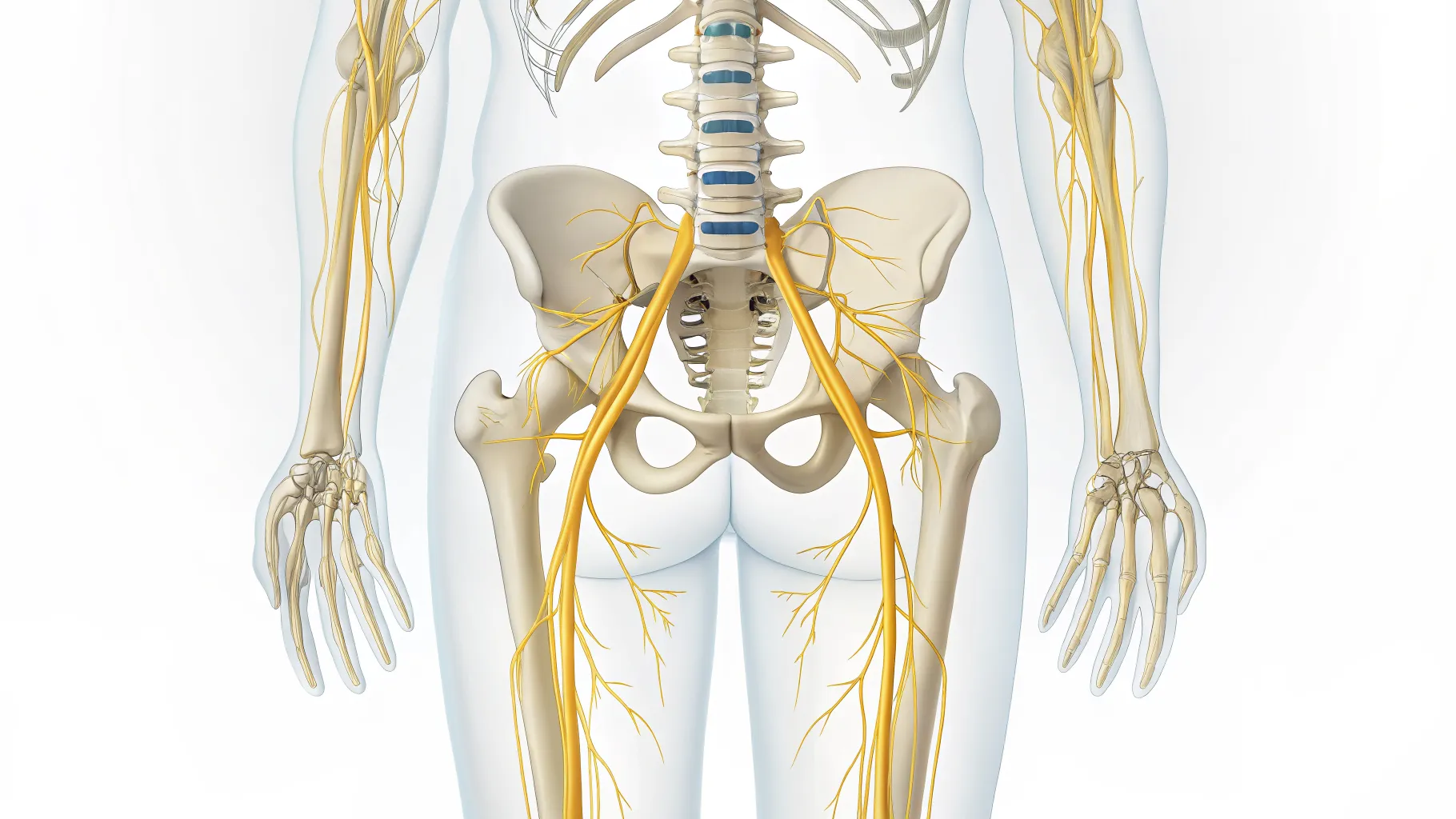
Understanding Sciatica and Its Causes
Before exploring relief methods, it's helpful to understand what sciatica is. It's not a medical diagnosis in itself but rather a symptom of an underlying issue pressing on or irritating the sciatic nerve. This nerve runs from your lower back, through your hips and buttocks, and down each leg.
Common causes of sciatica include a herniated or slipped disk in the spine, which is the most frequent culprit. Other conditions that can lead to this nerve pain include spinal stenosis (a narrowing of the spinal canal), piriformis syndrome (a muscle spasm in the buttocks), or degenerative disc disease. Identifying the cause is a key step toward finding the right treatment path.
Gentle Stretches and Exercises
While it may seem counterintuitive to move when you're in pain, gentle targeted movements can provide significant relief. Specific stretches can help relieve pressure on the sciatic nerve by loosening tight muscles in the lower back and gluteal area.
Here are a few foundational exercises that often help:
- 1. Knee-to-Chest Stretch: Lie on your back with your legs extended. Gently pull one knee toward your chest, holding it for 20 to 30 seconds. This helps reduce nerve compression in the lower spine.
- 2. Piriformis Stretch: While lying on your back with knees bent, cross the ankle of the painful leg over the opposite knee. Gently pull the thigh of the bottom leg toward you until you feel a stretch in your buttocks.
- 3. Gentle Walking: Low-impact aerobic exercise like walking encourages the release of pain-fighting endorphins and can reduce inflammation around the nerve.
Applying Heat and Cold Therapy
4. Use Hot and Cold Packs. Temperature therapy is a simple yet effective way to manage sciatica flare-ups at home. The strategy involves using both cold and heat at different times to address the pain and inflammation. This dual approach can offer immediate, short-term relief and help soothe irritated muscles.
Initially, applying a cold pack or an ice pack wrapped in a towel to the painful area can help reduce inflammation and numb the sharp pain. After a few days of using cold therapy, switching to a heating pad or a warm compress can help relax tight muscles that may be contributing to the nerve compression. Alternating between the two can also be beneficial for some individuals.
Over-the-Counter Pain Relievers
5. Consider Non-Prescription Medications. For many people, over-the-counter (OTC) medications provide a first line of defense against the pain and inflammation associated with sciatica. These are readily available and can be effective for managing mild to moderate symptoms, allowing you to stay active.
Non-steroidal anti-inflammatory drugs (NSAIDs) are a common choice because they target both pain and inflammation. Examples include ibuprofen and naproxen. While effective for short-term use, it's important to use them as directed and be aware of potential side effects, especially with prolonged use.
Making Lifestyle and Posture Adjustments
Your daily habits can either aggravate or alleviate sciatic pain. Making small but meaningful adjustments to how you sit, stand, and move can prevent pressure on the sciatic nerve and support your spine's health in the long run.
Consider these key adjustments:
- 6. Improve Your Posture: Avoid slouching when you sit or stand. Maintaining a neutral spine position reduces stress on your lower back.
- 7. Create an Ergonomic Workspace: If you sit for long periods, ensure your chair provides good lumbar support. Your feet should be flat on the floor, and your computer screen should be at eye level.
- 8. Lift Objects Correctly: When lifting anything, bend at your knees and hips, not your waist. Keep your back straight and hold the object close to your body to minimize strain on your spine.
Exploring Hands-On Therapies
Professional, hands-on treatments can be highly effective for managing the root causes of sciatica. These therapies are performed by trained practitioners who can target specific musculoskeletal issues contributing to nerve compression.
Three common approaches include:
- 9. Physical Therapy: A physical therapist can design a personalized program of exercises and stretches to strengthen your back, improve flexibility, and correct your posture.
- 10. Massage Therapy: A therapeutic massage can help release tension in the lower back, glutes, and hamstring muscles. This can reduce pressure on the sciatic nerve and promote blood flow to the area.
- 11. Chiropractic Care: A chiropractor may perform spinal adjustments to help restore spinal movement and relieve pressure on the irritated sciatic nerve.
Advanced Medical Interventions
12. Look Into Medical Procedures. When conservative treatments don't provide enough relief, a doctor may recommend more advanced medical interventions. These options are typically reserved for cases where the pain is severe, persistent, and significantly impacting quality of life.
One common procedure is an epidural steroid injection. During this treatment, a doctor injects a corticosteroid medication directly into the area around the sciatic nerve root. This can help reduce inflammation significantly. In rare cases where sciatica is caused by a severe herniated disc that isn't resolving, surgery might be considered as a final option to physically remove the pressure on the nerve.