Understanding Prescription Weight Loss Drug Costs: A Comprehensive Guide
Fast Facts:
- Annual costs for prescription weight loss drugs can exceed $15,000.
- Increased demand for GLP-1 medications drives market trends.
Navigating the Landscape of Prescription Weight Loss Drug Costs
The rising prevalence of obesity has led to a significant increase in the demand for effective treatments, with prescription weight loss drugs emerging as a prominent solution. However, understanding the substantial financial implications associated with these medications is crucial for patients and healthcare providers alike. From novel GLP-1 medications to older, established options, the cost spectrum is broad and often complex, presenting considerable challenges for affordability and access. This guide delves into the various factors that influence these drug prices, offering insights into how patients can potentially manage the expenses of their obesity treatment costs.
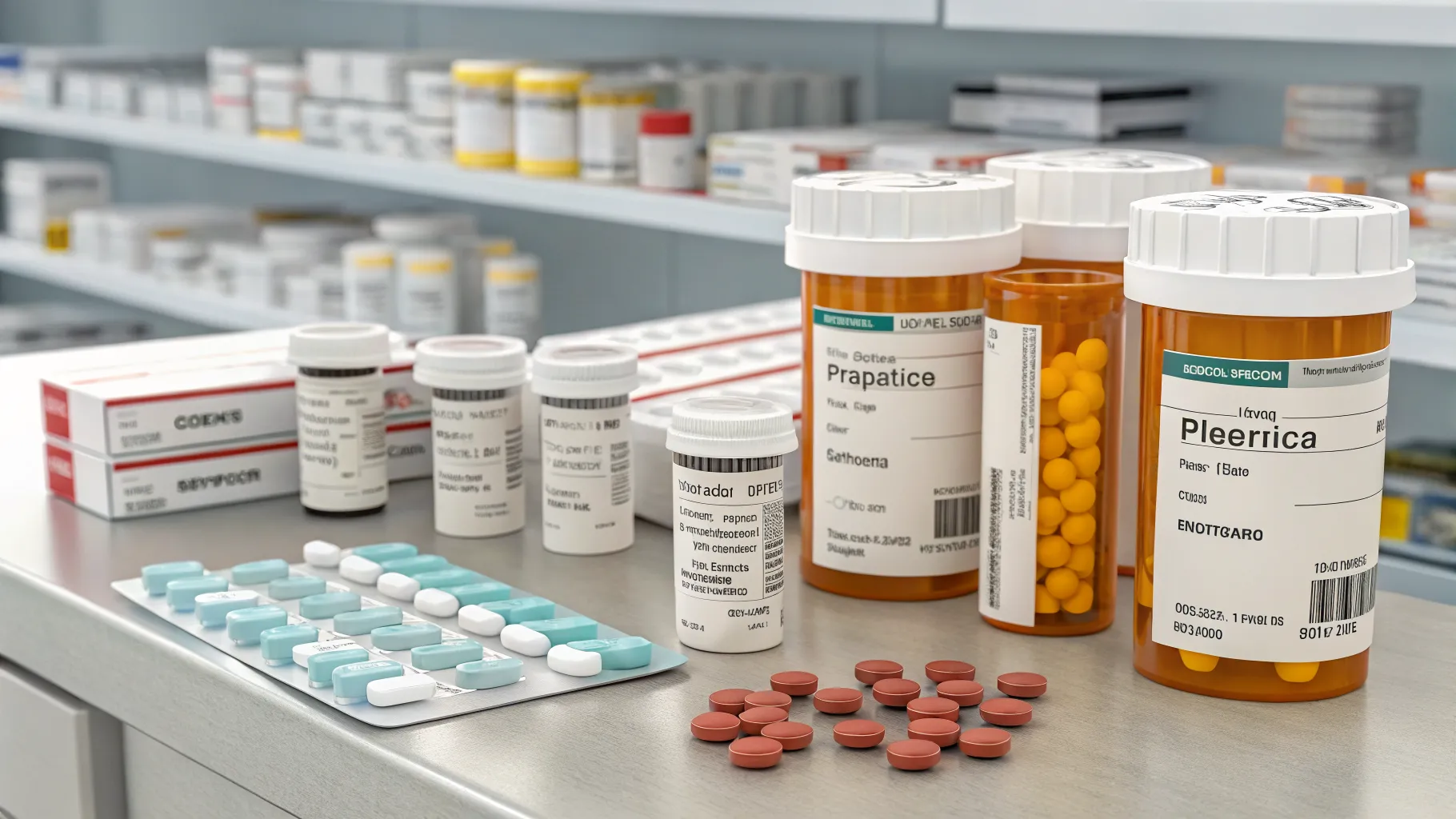
Factors Influencing Prescription Drug Prices
Several critical factors contribute to the high prescription weight loss drug costs. Research and development (R&D) expenses represent a significant portion, as pharmaceutical companies invest billions in discovering, testing, and bringing new drugs to market. The process involves extensive clinical trials, regulatory approvals, and ongoing monitoring, all of which are incredibly costly. Furthermore, the intellectual property rights and patents granted to these companies allow them to maintain exclusivity for a period, which often translates to higher prices without immediate generic competition. Marketing and distribution costs also play a role, as drug manufacturers expend considerable resources to promote their products to healthcare professionals and the public. The unique market dynamics of obesity treatment costs, where demand is high and effective solutions are relatively new, further exacerbate pricing pressures, especially for innovative medications like GLP-1 medications. These multifaceted influences create a complex pricing structure that patients must navigate.
Understanding Insurance Coverage for Weight Loss Medications
One of the most significant challenges patients face in accessing prescription weight loss drugs is inadequate insurance coverage. Many health insurance plans, including some Medicare and Medicaid programs, historically categorize obesity as a lifestyle condition rather than a disease, leading to limited or no coverage for weight loss medications. This stance is slowly evolving, but progress is uneven. Patients often find that while their plan might cover bariatric surgery, it may explicitly exclude weight loss medication. Even when coverage is available, it might come with stringent criteria, such as prior authorization requirements, specific Body Mass Index (BMI) thresholds, or a history of failed non-pharmacological interventions. High deductibles, co-pays, and co-insurance further contribute to the substantial out-of-pocket expenses, making it essential for individuals to thoroughly research their specific plan’s benefits regarding insurance coverage for weight loss drugs before starting treatment.
Exploring Patient Assistance Programs and Discounts
Given the high prescription weight loss drug costs, many pharmaceutical companies offer patient assistance programs (PAPs) to help eligible individuals afford their medications. These programs are typically designed for uninsured or underinsured patients who meet specific income requirements. Additionally, manufacturer coupons and discount cards can provide significant savings for commercially insured patients, often reducing monthly co-pays to a more manageable amount. Online pharmacies and discount prescription services also present opportunities for lower prices, though patients must exercise caution to ensure these sources are legitimate and safe. Exploring these options can be a vital step in mitigating the financial burden of obesity treatment costs. It is advisable to consult with a healthcare provider or a pharmacist who can provide guidance on available resources and help navigate the application processes for these valuable programs.
Comparing Different Classes of Weight Loss Drugs
The landscape of prescription weight loss drugs encompasses several different classes, each with varying mechanisms of action, efficacy, side effect profiles, and importantly, costs. Older medications, such as phentermine, tend to be significantly less expensive, often available in generic forms, and typically not subject to the same high out-of-pocket expenses as newer drugs. However, they may not be suitable for all patients and can have different efficacy rates. The newer class of GLP-1 medications, including drugs like semaglutide and tirzepatide, are highly effective but also come with the highest price tags. These innovative drugs represent a significant advancement in obesity treatment costs due to their novel mechanisms and substantial R&D investment. Understanding these differences and discussing them with a healthcare provider can help patients make informed decisions that balance clinical effectiveness with financial feasibility, potentially exploring options that fall within their budget while still achieving health goals.
Strategies for Reducing Out-of-Pocket Expenses
Managing the high prescription weight loss drug costs requires a proactive approach and a clear understanding of available strategies. One effective method is to thoroughly review and understand your health insurance policy’s specifics regarding insurance coverage for weight loss drugs. Contacting your insurance provider directly can clarify what is covered, any prior authorization requirements, and your out-of-pocket maximums. Secondly, discussing generic alternatives or less costly brand-name drugs with your doctor can be beneficial. While newer GLP-1 medications are often highlighted, older, more affordable options may still be effective for some individuals. Thirdly, actively seeking out manufacturer coupons, patient assistance programs, and pharmaceutical discount cards can substantially lower the monthly expense. Finally, considering a health savings account (HSA) or flexible spending account (FSA) can allow you to pay for eligible medical expenses, including approved prescriptions, with pre-tax dollars, providing a significant tax advantage in managing your cost-saving strategies for weight loss medication.
The Future Outlook for Weight Loss Drug Affordability
The future of prescription weight loss drug costs is subject to ongoing developments in both science and policy. As more pharmaceutical companies enter the market with their own versions of GLP-1 medications or novel compounds, increased competition could potentially drive prices down. Furthermore, legislative efforts and advocacy from patient groups are pushing for broader insurance coverage for weight loss drugs, recognizing obesity as a chronic disease that warrants comprehensive medical treatment. There is a growing understanding within the medical community that effective obesity treatment costs, including medication, can lead to long-term health benefits and reduced costs associated with obesity-related comorbidities like diabetes and heart disease. However, achieving widespread affordability and access will require sustained efforts from policymakers, insurance providers, and pharmaceutical companies to ensure these life-changing medications are accessible to all who need them, without insurmountable financial barriers.
Frequently Asked Questions
Are all prescription weight loss drugs covered by insurance?
No, coverage for prescription weight loss drugs varies significantly by insurance plan. Many plans have historically excluded these medications, viewing obesity as a lifestyle choice. However, policies are slowly changing, and some plans now offer limited coverage, often with strict criteria, prior authorizations, and high out-of-pocket costs for medications, especially newer GLP-1 medications. It is crucial to contact your specific insurance provider to understand your benefits regarding insurance coverage for weight loss drugs.
What are GLP-1 medications and why are they so expensive?
GLP-1 medications (glucagon-like peptide-1 receptor agonists) are a newer class of drugs that help regulate appetite and blood sugar. They are highly effective for weight loss and obesity management. Their high cost stems from significant research and development investments, patent protection, and high demand for these innovative treatments. The complex manufacturing processes and the novelty of their efficacy also contribute to their premium pricing compared to older weight loss medication options.
Can I get discounts on prescription weight loss drugs?
Yes, there are several ways to potentially get discounts on prescription weight loss drugs. Many pharmaceutical manufacturers offer patient assistance programs (PAPs) for eligible low-income or uninsured individuals. Additionally, manufacturer coupons and discount cards are often available for commercially insured patients, which can significantly reduce monthly co-pays. Exploring these options and discussing them with your doctor or pharmacist can help reduce your obesity treatment costs.
What is the typical out-of-pocket cost for prescription weight loss drugs without insurance?
Without insurance, the out-of-pocket cost for prescription weight loss drugs can be substantial. For newer GLP-1 medications, monthly costs can range from $1,000 to over $1,600. Older generic medications might be more affordable, typically ranging from $30 to $100 per month. These figures can vary based on the specific drug, dosage, and pharmacy, making drug prices a major consideration for uninsured individuals.
Are there generic versions of prescription weight loss drugs available?
Yes, some older prescription weight loss drugs, such as phentermine, are available in generic versions, which are significantly more affordable than brand-name drugs. However, many of the newer, highly effective medications, especially the GLP-1 medications, are still under patent protection and do not yet have generic equivalents. As patents expire, more generic options for various weight loss medication are expected to become available, potentially lowering overall drug prices.
References
- Pharmaceutical Research and Manufacturers of America (PhRMA) - Industry reports on R&D costs.
- Kaiser Family Foundation (KFF) - Analysis of insurance coverage trends.
- American Medical Association (AMA) - Clinical guidelines for obesity management.
- World Health Organization (WHO) - Global statistics on obesity and related health expenditures.
- Various academic journals specializing in endocrinology and metabolic disorders.