Piano Lessons for Seniors: A Complete Guide to Learning Over 60
Facts:
- Learning a musical instrument strengthens neural pathways.
- A growing trend for older adults is engaging in piano courses older adults online for flexibility.
Unlocking a Lifelong Dream: The Joy of Piano for Seniors
It's a common misconception that musical ability is something you must cultivate in youth. However, the truth is that it's never too late to learn a new skill, especially one as rewarding as playing the piano. The world of piano lessons for seniors is vibrant and specifically designed to cater to the needs and learning styles of older adults. Whether you've always dreamed of playing your favorite songs or are seeking a new hobby to enrich your retirement years, engaging in senior piano classes offers a pathway to musical fulfillment, cognitive enhancement, and profound personal satisfaction. This guide will explore the immense benefits and practical steps for anyone looking to learn piano over 60.
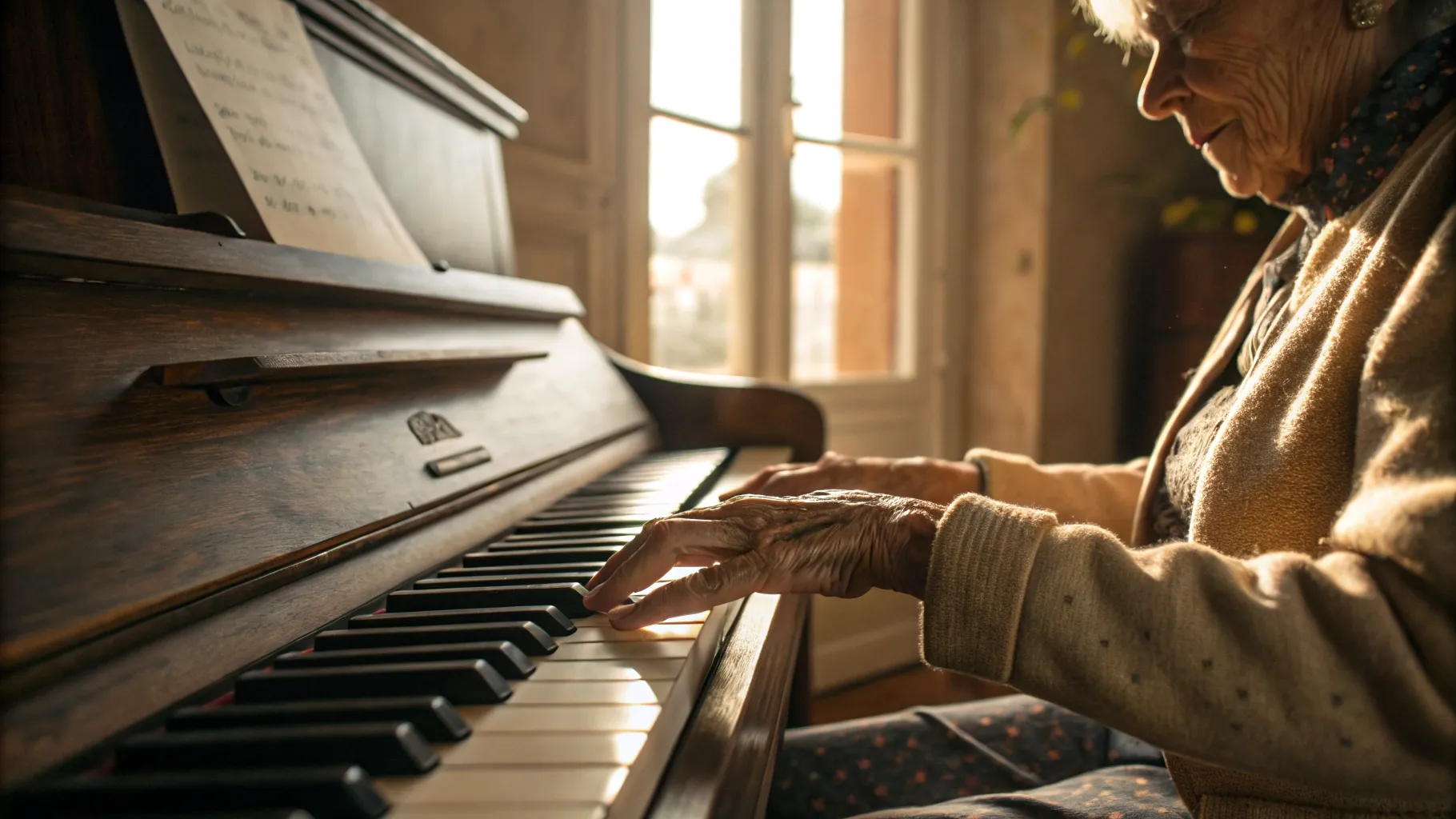
The Cognitive and Emotional Benefits of Learning Piano Over 60
The advantages of taking up piano later in life extend far beyond simply learning to play music. Engaging in regular practice is a powerful workout for the brain. The process of reading sheet music, coordinating both hands, and listening to the output stimulates multiple areas of the brain simultaneously. This mental exercise has been shown to improve cognitive function, enhance memory retention, and even delay the onset of age-related cognitive decline. For those interested in beginner piano seniors programs, the focus is often on creating a stress-free environment that builds confidence. Emotionally, playing the piano can be a wonderful outlet for self-expression and a significant mood booster. The sense of accomplishment that comes from mastering a new piece of music provides a deep sense of purpose and joy, reducing feelings of stress and anxiety.
Choosing Your Path: Finding the Best Senior Piano Classes
When you're ready to start, you'll find a variety of options for piano lessons for seniors. The key is to find an instructor and a format that aligns with your personal goals and lifestyle. Many community centers and music schools offer dedicated senior piano classes, which provide a great social element alongside expert instruction. These classes often move at a comfortable pace and are taught by instructors experienced in teaching older adults. Another increasingly popular option is online learning. Digital platforms offer incredible flexibility, allowing you to learn piano over 60 from the comfort of your own home and on your own schedule. These piano courses older adults often come with pre-recorded video lessons, interactive exercises, and even opportunities for live feedback from a teacher. Consider the pros and cons: in-person lessons offer direct, hands-on guidance and social interaction, while online courses provide unmatched convenience and a vast library of resources. Many beginners find a hybrid approach, combining online tools with occasional in-person check-ins, to be the most effective strategy.
Your First Steps: What to Expect in Beginner Piano for Seniors
Embarking on your first piano lesson can be exciting. A good instructor specializing in beginner piano seniors will start with the absolute fundamentals in a clear and patient manner. You'll begin by learning about the instrument itself: the names of the keys, proper posture, and correct hand position to avoid strain. Early lessons will focus on simple exercises to develop finger dexterity and strength. You'll also be introduced to the basics of reading music, such as identifying notes on the staff and understanding simple rhythms. Don't expect to play complex concertos overnight. The journey begins with mastering simple melodies and chords. The goal of these initial piano lessons for seniors is not perfection, but to build a solid and comfortable foundation from which you can grow your skills confidently and enjoyably. The curriculum is tailored to ensure you feel successful at every step.
Essential Tips for Success in Piano Courses for Older Adults
To make the most of your musical journey, embracing a few key strategies can make all the difference. Consistency is more important than intensity, especially when starting out. Here are some actionable tips for success:
- Practice in Short, Regular Sessions: Instead of one long, exhausting practice session per week, aim for 15-20 minutes of focused practice each day. This helps build muscle memory and keeps the material fresh in your mind without causing fatigue.
- Set Realistic Goals: Celebrate small victories. Your initial goal might be to learn a simple one-handed melody or a basic chord progression. Setting achievable milestones keeps motivation high as you tackle more advanced piano courses older adults.
- Be Patient with Yourself: Learning any new skill takes time. There will be days when progress feels slow. Remember that every musician, regardless of age, faces challenges. Embrace the process and enjoy the act of learning itself.
- Choose Music You Love: A key advantage of adult learning is that you can guide your own curriculum. Work with your instructor to select pieces of music that you genuinely enjoy. Practicing is far more rewarding when you are working towards playing a song you love.
- Don't Be Afraid to Ask Questions: Your teacher is your greatest resource. Whether you're in a group setting or private lessons, never hesitate to ask for clarification on a concept or technique. Understanding the 'why' behind the music theory can greatly accelerate your progress in any senior piano classes.
Frequently Asked Questions
How long does it take for a senior to learn piano?
The timeline for learning piano varies for everyone, regardless of age. However, with consistent practice (around 20-30 minutes daily), most beginners in piano lessons for seniors can expect to play simple songs with both hands within a few months. The key is enjoying the journey, not rushing to a destination.
What is the best type of keyboard for beginner piano seniors?
An 88-key digital piano with weighted keys is highly recommended. Weighted keys mimic the feel of an acoustic piano, which is crucial for developing proper finger strength and technique. Many models also include a headphone jack for silent practice and a built-in metronome.
Are online senior piano classes effective?
Absolutely. Online piano courses older adults have become very effective, offering high-quality video instruction, interactive apps, and flexible scheduling. They are an excellent option for those with mobility issues or who prefer to learn at their own pace from home. Look for programs that offer feedback from real instructors.
References
- The Cognitive Benefits of Musical Instrument Training in Older Adults - Journal of Gerontological Psychology
- Music, Mind, and Health: A Review of the Literature - National Institute on Aging
- Pedagogical Approaches for Adult Music Learners - International Journal of Music Education