Unlocking Your Rhythm: A Guide to Music Classes For Seniors
Facts
- Learning music improves cognitive function in seniors.
- Group music lessons are a growing social trend for older adults.
Why It's Never Too Late to Start Your Musical Journey
The belief that musical talent is something you're born with, or that learning is only for the young, is a myth worth dispelling. In reality, the golden years can be the perfect time to pick up an instrument or refine a long-lost skill. Engaging in music classes for seniors offers a unique blend of mental stimulation, social connection, and profound personal satisfaction. Whether your dream is to play the piano, strum a guitar, or join a choir, the opportunity to learn music over 60 has never been more accessible or rewarding. These programs are specifically designed to cater to mature learners, focusing on enjoyment and progress at a comfortable pace, making it an ideal new hobby.
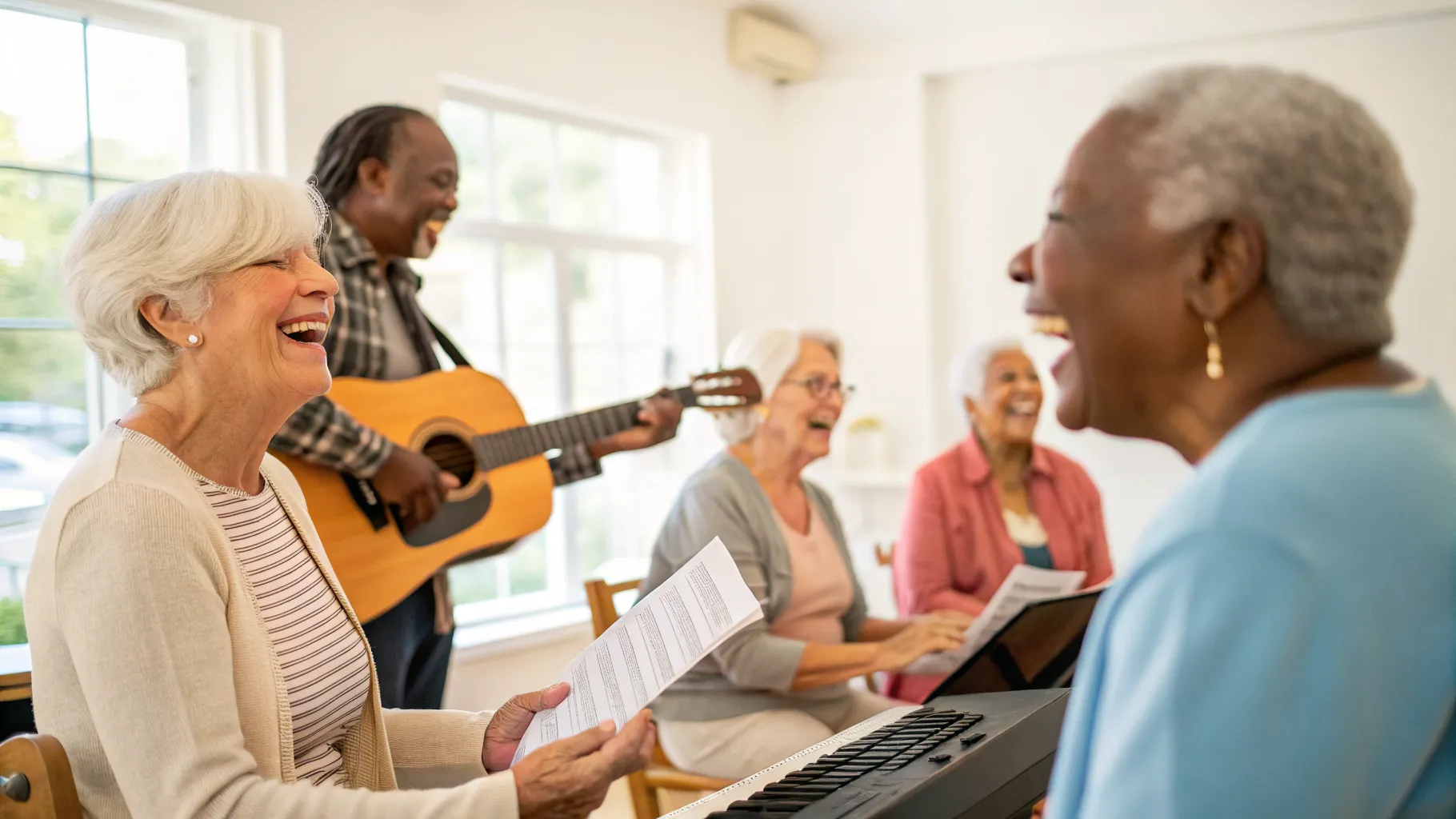
Exploring the Variety of Music Programs for Seniors
When you begin your search, you'll find a wide array of options tailored for mature students. The world of music programs seniors can enjoy is vast and varied. Many community centers, music schools, and even universities offer specialized music courses older adults will find welcoming and effective. These can range from one-on-one private senior music lessons, which offer personalized attention and a curriculum tailored to your specific goals, to group classes that provide a vibrant social atmosphere. Group sessions are fantastic for building camaraderie and learning alongside peers who share your enthusiasm. Online courses have also become a popular choice, offering the flexibility to learn from the comfort of your own home, often with access to a wide range of instructors and instruments.
The Powerful Benefits of Music Education for Older Adults
Engaging with music is more than just a pleasant pastime; it's a powerful workout for the brain. The process of learning to read music, coordinating hand movements, and listening intently stimulates multiple areas of the brain, which can help maintain and even improve cognitive function. Research has consistently shown that for those who learn music over 60, there are measurable benefits in memory, problem-solving skills, and processing speed. Beyond the cognitive advantages, the social aspect is invaluable. Participating in music classes for seniors combats feelings of isolation by creating a built-in community of like-minded individuals, fostering new friendships and a shared sense of accomplishment. The emotional release of creating music can also significantly reduce stress and elevate your mood.
Choosing the Right Instrument and Learning Style
Selecting the right instrument is a crucial first step in your musical adventure. It's important to consider both your musical interests and any physical considerations. Instruments like the piano or keyboard can be excellent choices as they don't require complex finger-plucking strength initially. The ukulele is another popular option due to its small size, soft nylon strings, and relatively simple chord structures. If you've always dreamed of the guitar or violin, don't be deterred; instructors who specialize in senior music lessons can provide adaptive techniques. When choosing a format, consider the differences. Private lessons offer focused, individualized feedback, which can accelerate learning. Group music courses older adults attend together, however, provide motivation and a fun, social dynamic that many find encouraging. It's about finding the perfect harmony between your goals and your learning preferences.
What to Expect in Your First Music Class
Walking into your first class can be exciting, and perhaps a little nerve-wracking, but rest assured that music programs seniors attend are designed to be supportive environments. Instructors are typically chosen for their patience and experience with adult learners. The first session usually involves an introduction to the instrument, learning how to hold it correctly, and understanding basic concepts like posture and simple notes or chords. The pace is generally relaxed, with an emphasis on enjoyment and building a solid foundation rather than pressure and perfection. You'll meet other learners who are at the same starting point, creating an instant support system. The focus of these music classes for seniors is on the joy of the process and celebrating every small victory along the way.
Finding Quality Music Courses for Older Adults Near You
Locating the right program is easier than ever. A great starting point is to check with local community centers, senior centers, and public libraries, as they often host or have information about affordable music courses older adults can join. Local music shops are also excellent resources; they frequently offer lessons or can recommend qualified teachers who specialize in adult education. A simple online search for terms like 'senior music lessons near me' or 'music programs seniors' will yield numerous results, including dedicated music schools and private instructors. Don't hesitate to call and ask about their experience with older students and whether you can observe a class or have a trial lesson. Finding an instructor and environment where you feel comfortable is key to a successful and enjoyable musical journey.
Frequently Asked Questions
What is the easiest instrument for a senior to learn in music classes for seniors?
While 'easy' is subjective, many find the ukulele or keyboard to be great starting instruments. The ukulele has soft nylon strings and simple chords, while the keyboard provides a clear visual layout of notes. The most important factor is choosing an instrument you are genuinely excited to play.
Are there specific benefits to taking music courses for older adults?
Absolutely. Beyond the joy of playing, these courses are designed to boost cognitive function, improve memory and coordination, and provide a wonderful social outlet. Many music programs seniors join are specifically structured to be low-pressure and highly encouraging for adult learners.
Can I learn music over 60 if I have no prior experience?
Yes, it's never too late to start. Many senior music lessons are created specifically for absolute beginners. A good instructor will guide you through the fundamentals at a comfortable pace, ensuring you build confidence as you learn.
How much do music classes for seniors typically cost?
Costs can vary widely depending on the format (group vs. private) and location. Group classes at community centers are often the most affordable option. Private lessons will cost more but offer personalized attention. It's best to research options in your local area to find a fit for your budget.
References
- Studies on Music and Aging, Journal of Gerontology
- The Benefits of Lifelong Learning, National Institute on Aging
- Community Music Programs and Social Health in Seniors, a review
- Cognitive Neuroscience of Musical Training in a Lifespan Perspective