Effective Pet Odor Removal Tips for a Fresh Home
Facts:
- Over 66% of U.S. households own at least one pet.
- A rising trend for pet owners is using plant-based enzyme cleaners.
Your Ultimate Guide to Eradicating Pet Odors for Good
Welcoming a pet into your home brings immense joy, but it can also introduce persistent and unpleasant odors. From accidents on the carpet to general pet dander, these smells can permeate fabrics, furniture, and even the air itself. Fortunately, with the right knowledge and tools, you can effectively tackle these issues. This guide provides comprehensive pet odor removal tips to help you reclaim a fresh, clean-smelling living space, covering everything from DIY solutions to advanced cleaning techniques to successfully remove pet smell home.
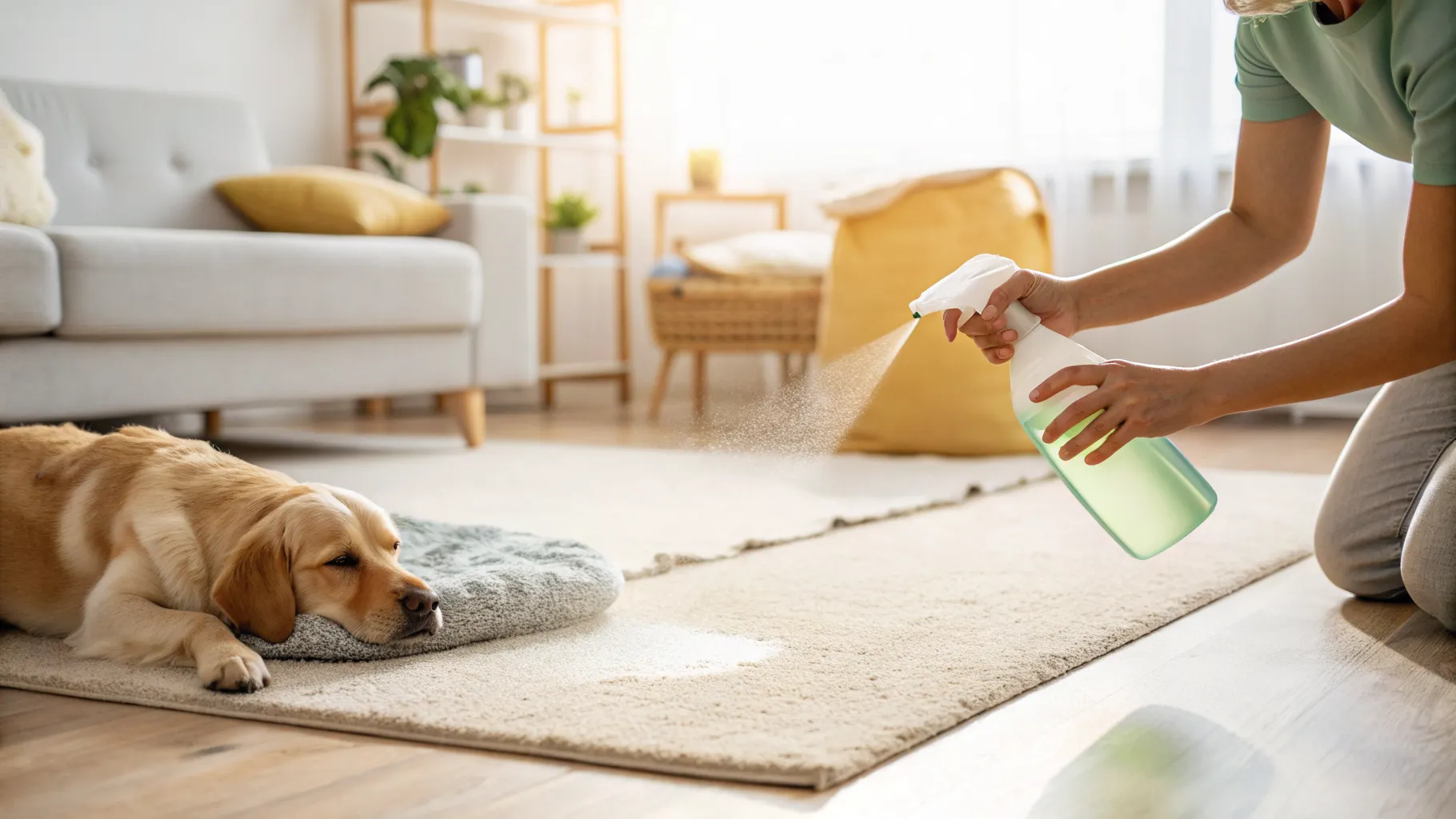
Pinpointing the Problem: The First Step to Eliminate Pet Smell Indoors
Before you can effectively treat a pet odor, you must identify its exact source. A vague musty smell is harder to tackle than a specific spot. For urine stains, which are a common culprit, a UV blacklight can be an invaluable tool, causing the salts in dried urine to fluoresce so you can see exactly where to clean. Check common areas like carpets, corners, pet beds, and furniture. Sometimes, the issue isn't a single accident but an accumulation of dander and oils. Pay close attention to your pet's favorite sleeping spots, as these areas often concentrate odors. A systematic approach to finding the source is the most critical first step in any plan to remove pet smell home.
Effective DIY and Home Solutions for Pet Odor
Many powerful odor-fighting solutions can be made from common household items. These home solutions pet odor are not only cost-effective but also often gentler than harsh chemical cleaners.
- Vinegar and Water Solution: Mix equal parts white vinegar and water in a spray bottle. Vinegar's acetic acid works wonders at neutralizing the alkaline salts in dried urine stains. Spray the area liberally, let it sit for a few minutes, and then blot thoroughly with a clean cloth. This is one of the most trusted pet odor removal tips for fresh accidents.
- Baking Soda Power: Baking soda is a natural odor absorber. Sprinkle it generously over carpets, rugs, and upholstered furniture. Let it sit for several hours or even overnight to absorb the smells, then vacuum it up thoroughly. This method is excellent for general deodorizing.
- Hydrogen Peroxide Mixture: For tougher stains on light-colored surfaces, a mixture of hydrogen peroxide, a small amount of dish soap, and baking soda can be effective. However, always test this solution on an inconspicuous spot first, as it can have a bleaching effect on some fabrics.
Advanced Pet Odor Cleaning Methods for Persistent Issues
When DIY solutions aren't enough to combat strong, set-in smells, you may need to turn to more advanced pet odor cleaning methods. These products are specifically designed to break down the organic proteins that cause odors at a molecular level. The most effective method is using an enzymatic cleaner. Unlike standard soaps, these cleaners contain beneficial bacteria and enzymes that 'eat' the organic waste (like urine, feces, or vomit) until it's gone, thus completely eliminating the source of the smell. When shopping, look for a high-quality cleaner specifically formulated for pet stains. For widespread odor in carpets, renting a hot water extraction cleaner (or steam cleaner) can deep-clean the fibers and pull out odors that have settled deep within the padding. This is a highly effective way to eliminate pet smell indoors on a larger scale.
Preventative Strategies: Keeping Your Home Odor-Free
The best way to manage pet odors is to prevent them from building up in the first place. Integrating a few key habits into your routine can make a significant difference. Regular grooming of your pet, including brushing, can drastically reduce the amount of dander and loose fur shed in your home. Wash your pet's bedding, toys, and blankets frequently in hot water with an odor-eliminating laundry booster. Investing in a high-quality air purifier with a HEPA filter can also help capture airborne dander and other allergens. Finally, address any accidents immediately. The longer urine or other messes sit, the deeper they penetrate and the harder they are to remove. Quick action is one of the simplest yet most effective pet odor removal tips.
Commercial vs. DIY: Choosing the Right Pet Odor Solution
Deciding between a commercial product and a DIY solution depends on the severity and age of the odor. For general freshness and minor issues, DIY home solutions pet odor like baking soda and vinegar are excellent, budget-friendly choices. They are perfect for deodorizing a room or treating a very recent, minor accident. However, for set-in urine stains or severe, persistent odors, a commercial enzymatic cleaner is non-negotiable. These specialized products are scientifically formulated to destroy the uric acid crystals that DIY solutions often leave behind, which can reactivate with humidity. The most successful approach often involves using both: regular maintenance with DIY methods and having a powerful enzymatic cleaner on hand for serious problems.
Frequently Asked Questions
What are the most reliable pet odor removal tips for old urine stains on a carpet?
For old, set-in urine stains, a high-quality enzymatic cleaner is your best option. These cleaners contain specific enzymes that break down the uric acid crystals, which are the source of the lingering odor. Standard cleaners often fail to remove these crystals. Apply the cleaner liberally, allow it to dwell for the recommended time (sometimes several hours), and then blot it up. For very stubborn stains, a professional carpet cleaning service using hot water extraction may be necessary.
How can I permanently eliminate pet smell indoors from my sofa?
To permanently remove pet smells from a sofa, start by vacuuming thoroughly to remove all hair and dander. If the covers are removable and machine-washable, wash them with an enzymatic laundry additive. For the sofa itself, sprinkle baking soda over the entire surface, let it sit for several hours to absorb odors, then vacuum it up. For specific spots, use an enzyme cleaner designed for upholstery. Always test any cleaner on an inconspicuous area first to ensure it doesn't cause discoloration.
References
- The American Pet Products Association (APPA)
- Journal of Environmental Health
- Home Cleaning and Organization Guides