How to Buy a High-Performance Sports Car: The Ultimate Sports Car Buying Guide
Facts:
- The global market for high-performance sports car is projected to grow significantly.
- Increased consumer demand for unique driving experiences drives the luxury sports car segment.
Navigating the Market for Your Dream Performance Vehicle
Acquiring a high-performance sports car is a significant decision, often blending passion with a substantial financial commitment. This comprehensive sports car buying guide will walk you through the essential steps, from initial research to final acquisition, ensuring you make an informed choice in the vibrant market for a top-tier performance vehicle.
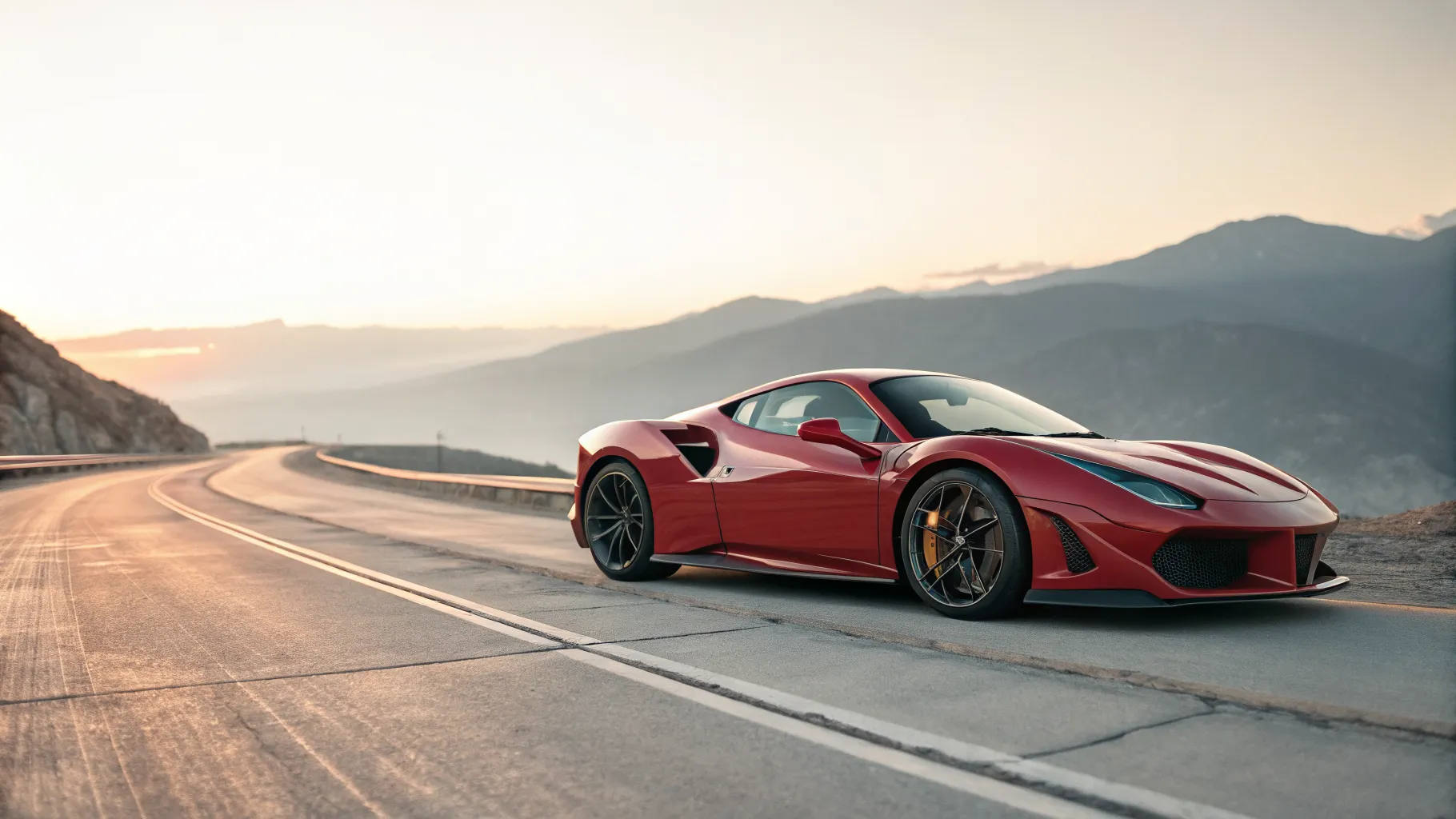
Defining Your High-Performance Sports Car Needs
Before embarking on the journey to purchase a high-performance sports car, it's crucial to meticulously define your specific needs and desires. Consider what drives your interest: is it raw speed, track capability, stunning aesthetics, daily drivability, or a combination? Factors such as engine type (V8, V10, V12, electric), transmission (manual, automatic, DCT), chassis dynamics, and brand heritage all contribute to the overall experience. A clear understanding of your priorities will narrow down the vast array of options, preventing potential buyer's remorse and ensuring your chosen performance vehicle aligns perfectly with your lifestyle and expectations. Think about your usage patterns; will this be a weekend cruiser, an occasional track car, or part of a larger collection? Each scenario dictates different considerations regarding maintenance, insurance, and long-term ownership costs, all vital components of a robust sports car buying guide.
Budgeting and Financial Planning for a Luxury Sports Car
A critical step in acquiring any luxury sports car is establishing a realistic budget that extends beyond the initial purchase price. Ownership costs for a high-performance sports car can be substantial, encompassing not only the vehicle itself but also insurance, maintenance, specialized tires, fuel, and potential depreciation. Research average annual costs for specific models you are considering. Explore financing options, including traditional loans, leases, or even fractional ownership for extremely high-end models. Understand the tax implications and potential import duties if you are purchasing internationally. For some, a sports car investment can also be a factor, so consider models known for holding or increasing in value. A robust financial plan is indispensable, ensuring the joy of ownership isn't overshadowed by unexpected expenses.
Researching Models and Brands in the Performance Vehicle Market
The market for a performance vehicle is diverse, featuring iconic manufacturers like Ferrari, Lamborghini, Porsche, McLaren, and Aston Martin, alongside innovative newcomers. Thorough research is paramount. Dive into expert reviews, comparison tests, and owner forums to gather insights on reliability, driving dynamics, technological features, and resale value. Pay attention to common issues reported for specific models and years. Understand the distinctions between new and pre-owned markets; a pre-owned high-performance sports car can offer significant value but requires diligent inspection. Compare specifications such as horsepower, torque, 0-60 mph times, braking performance, and handling characteristics. This meticulous approach is a cornerstone of any effective sports car buying guide.
The Importance of Pre-Purchase Inspections and Test Drives
Never underestimate the value of a comprehensive pre-purchase inspection (PPI) performed by a reputable, independent specialist who understands high-performance sports car engineering. A PPI can uncover hidden mechanical issues, accident damage, or deferred maintenance that might not be obvious during a casual viewing. Simultaneously, an extended test drive is non-negotiable. Evaluate the ergonomics, seat comfort, visibility, and the responsiveness of the steering, brakes, and acceleration. Pay attention to any unusual noises, vibrations, or warning lights. Test the car under various conditions if possible, including city driving, highway cruising, and some spirited acceleration, to truly assess its capabilities as a performance vehicle. This hands-on experience is critical for affirming your decision.
Navigating the Purchase Process and Ownership Considerations
Once you've identified your ideal high-performance sports car, the purchase process requires careful negotiation and due diligence. Whether buying from a dealership or a private seller, ensure all paperwork is thoroughly reviewed, including title, service history, and warranty information. Understand the terms of sale and any associated fees. Post-purchase, consider options for protecting your investment, such as specialized detailing, paint protection film (PPF), ceramic coatings, and secure storage. Factor in higher insurance premiums and specialized maintenance schedules. For those considering it as a sports car investment, ongoing care and meticulous record-keeping are vital for preserving its value. This complete sports car buying guide aims to equip you for a rewarding ownership experience.
Essential Tips for a Smooth Sports Car Acquisition
Secure Specialized Insurance:
Standard auto insurance may not adequately cover a luxury sports car. Seek out insurers specializing in high-value, performance vehicles to ensure comprehensive coverage, including agreed-value policies and track-day coverage if applicable. Premiums will be higher due to repair costs and theft risk.
Understand Maintenance Schedules:
High-performance sports car models often require specialized maintenance routines and genuine parts, leading to higher service costs. Familiarize yourself with the recommended service intervals and the availability of qualified technicians for your specific model.
Consider Aftermarket Modifications:
While some modifications can enhance performance or aesthetics, be cautious. Extensive or poorly executed aftermarket additions can void warranties, decrease resale value, or even compromise the integrity of your performance vehicle. Prioritize reputable tuners if you choose to modify.
Join Owner Communities:
Engaging with other high-performance sports car owners through clubs or online forums provides invaluable insights into ownership experiences, maintenance tips, and potential pitfalls. These communities can be a great resource for troubleshooting and enjoying your new vehicle.
Frequently Asked Questions
Is a high-performance sports car a good investment?
For most, a high-performance sports car is a depreciating asset. However, certain rare, limited-production, or classic models can appreciate in value, making them a legitimate sports car investment. Thorough market research and expert consultation are crucial for identifying such opportunities.
What are the hidden costs of owning a luxury sports car?
Beyond the purchase price, hidden costs for a luxury sports car include significantly higher insurance premiums, specialized maintenance requiring expensive parts and skilled labor, premium fuel, higher tire replacement costs, and potential for rapid depreciation. Factor these into your budget.
Should I buy a new or used performance vehicle?
Buying a new performance vehicle offers warranty coverage, the latest technology, and customization options, but also incurs immediate depreciation. A used high-performance sports car can offer substantial savings and potentially less depreciation, but requires a thorough pre-purchase inspection and careful vetting of its history.
References
- Global Automotive Market Analysis Reports.
- Specialized Automotive Publications and Reviews.
- Manufacturer Official Specifications and Brochures.
- Financial Planning Guides for Luxury Assets.