Effective Hair Loss Treatment for Men: What Actually Works Against Male Pattern Baldness
Facts:
- Early intervention crucial for hair retention.
- Increasing demand for hair regrowth solutions among younger men.
Understanding the Landscape of Male Hair Loss and Its Solutions
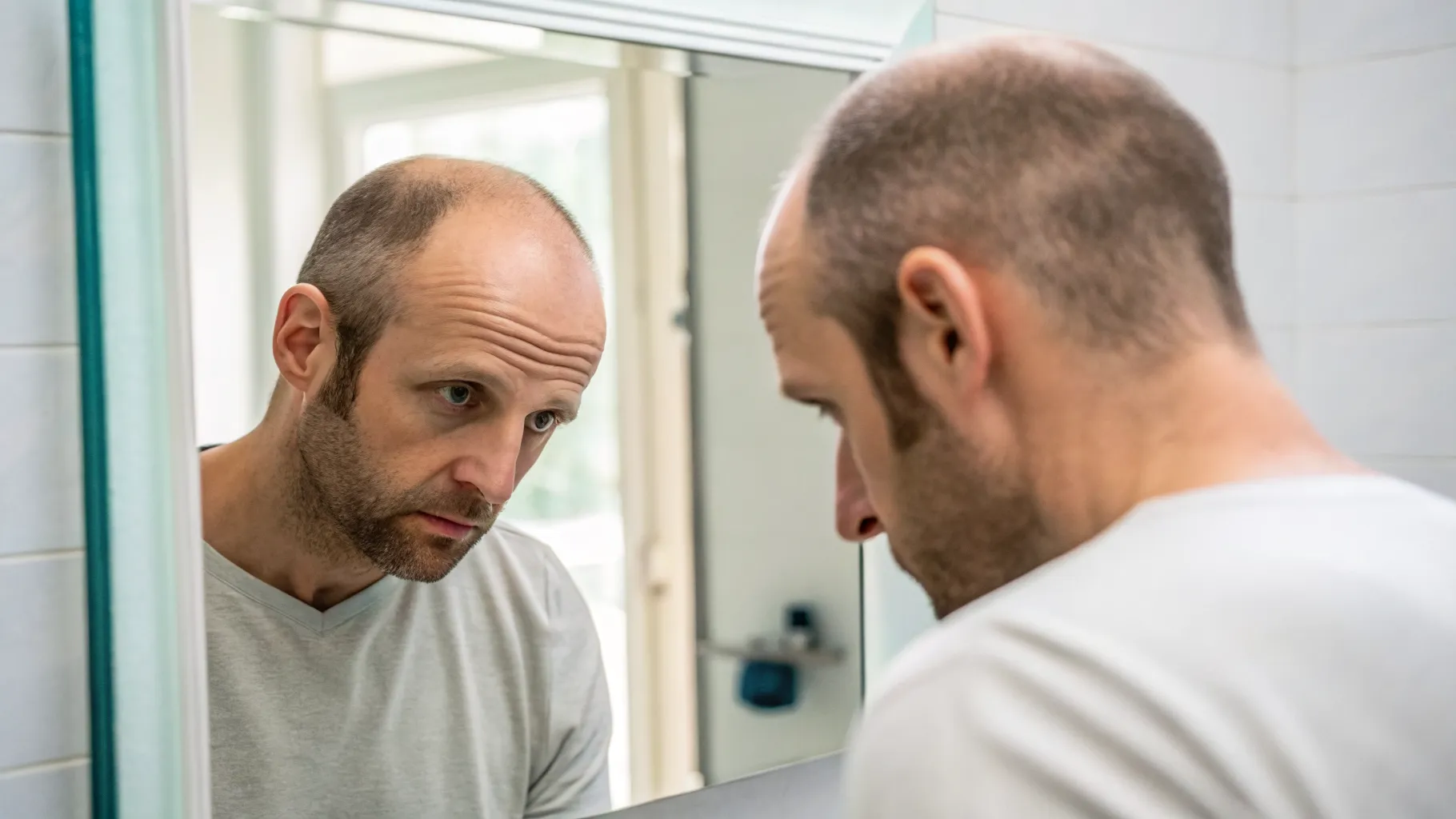
For many men, the sight of thinning hair or a receding hairline can be a source of significant concern, prompting a search for what actually works in hair loss treatment for men. The primary culprit behind male hair loss is often androgenetic alopecia, commonly known as male pattern baldness, a genetic condition exacerbated by hormonal factors. While countless products promise miraculous transformations, discerning the genuinely effective hair loss treatments from the ineffective ones is paramount. This comprehensive guide delves into the science-backed options available, offering clarity on the most promising hair regrowth solutions and strategies for proactive hair restoration for men, ensuring you make informed decisions on your journey to combat hair loss.
Proven Pharmacological Interventions for Male Pattern Baldness
When it comes to confronting male pattern baldness, pharmaceutical interventions often represent the first line of defense, offering scientifically proven pathways to slow progression and stimulate new growth. These medications target the underlying biological mechanisms contributing to hair loss, providing tangible hair regrowth solutions for many. Understanding their mechanisms and potential benefits is key to selecting the most appropriate hair loss treatment for men.
Minoxidil: Topical Hair Regrowth Solutions
Minoxidil, often sold under brand names like Rogaine, is a topical treatment applied directly to the scalp. It works by dilating blood vessels, which in turn increases blood flow to hair follicles, supplying them with more oxygen and nutrients. This improved circulation can encourage dormant follicles to re-enter the growth phase and extend the anagen (growth) phase of existing hairs. While it doesn't address the hormonal causes of androgenetic alopecia, Minoxidil is highly effective at stimulating growth, particularly on the crown, and can significantly slow hair thinning. Consistent, long-term use is crucial for maintaining results, as cessation typically leads to a reversal of benefits within a few months. It's considered one of the most accessible and widely used effective hair loss treatments.
Finasteride: An Internal Approach to Androgenetic Alopecia
Finasteride, an oral medication available by prescription (e.g., Propecia), operates differently by targeting the root cause of androgenetic alopecia. It inhibits the enzyme 5-alpha reductase, which is responsible for converting testosterone into dihydrotestosterone (DHT). DHT is the primary hormone that miniaturizes hair follicles in genetically susceptible men, leading to thinning and eventual baldness. By reducing DHT levels, Finasteride can halt hair loss, and in many cases, promote significant hair regrowth, especially on the crown and frontal hairline. This makes it a cornerstone of hair restoration for men aiming for more comprehensive and internal solutions. While highly effective, it's essential to discuss potential side effects with a healthcare provider, as consistent daily intake is necessary for sustained results.
Advanced Clinical Procedures: When Medication Isn't Enough
For men whose hair loss is too advanced for pharmacological interventions, or those seeking more definitive and permanent solutions, advanced clinical procedures offer a viable pathway. These treatments represent significant advancements in hair loss treatment for men, providing options for considerable aesthetic improvement and long-term hair restoration for men.
Hair Transplantation: The Gold Standard in Hair Restoration for Men
Hair transplantation remains the most effective and permanent solution for significant hair loss. This surgical procedure involves moving healthy hair follicles from a donor area (typically the back or sides of the head, where hair is resistant to DHT) to thinning or bald areas. Modern techniques, such as Follicular Unit Transplantation (FUT) and Follicular Unit Extraction (FUE), provide natural-looking results, as individual follicles or small groups of follicles are transplanted. This approach offers a true form of hair restoration for men by relocating permanent hair. The success of the transplant depends heavily on the surgeon's skill and the patient's individual characteristics, making it crucial to choose an experienced specialist for this advanced effective hair loss treatment.
Platelet-Rich Plasma (PRP) Therapy: A Regenerative Option
PRP therapy is a non-surgical procedure gaining traction as a complementary or standalone hair loss treatment for men. It involves drawing a small amount of the patient's blood, processing it to concentrate the platelets, and then injecting the platelet-rich plasma into the scalp. Platelets contain growth factors that can stimulate hair follicles, promote healing, and encourage new hair growth. While research is ongoing, many studies suggest PRP can be an effective treatment for slowing hair loss and improving hair density, particularly when combined with other therapies. It offers a promising regenerative approach among hair regrowth solutions.
Complementary Approaches and Lifestyle Changes
Beyond medications and procedures, various complementary approaches and lifestyle adjustments can play a supportive role in managing male pattern baldness and enhancing the efficacy of other effective hair loss treatments. While not standalone cures, these strategies contribute to overall scalp health and can potentially bolster hair regrowth solutions.
Low-Level Laser Therapy (LLLT): A Non-Invasive Stimulant
Low-Level Laser Therapy (LLLT) devices, available as combs, caps, or helmets, emit photons that penetrate the scalp and are absorbed by hair follicles. This process is believed to stimulate cellular activity, improve blood circulation to the follicles, and extend the anagen phase of hair growth. LLLT is a non-invasive, pain-free option that can be used at home. While results are typically modest compared to pharmaceuticals, it can be a beneficial adjunct for some men seeking to support hair regrowth solutions and reduce overall thinning.
Nutritional Support and Scalp Health: Foundations for Growth
Maintaining a balanced diet rich in essential vitamins and minerals is crucial for healthy hair. Deficiencies in nutrients like iron, zinc, biotin, and vitamins D and E can exacerbate hair loss. While supplements are not a direct cure for androgenetic alopecia, ensuring optimal nutrition supports overall hair health and can improve the environment for new growth. Additionally, a healthy scalp free from excessive oil, product buildup, and inflammation provides the best foundation for effective hair growth. Regular, gentle washing and avoiding harsh chemicals can significantly contribute to better scalp health, complementing any active hair loss treatment for men.
Emerging Technologies and Future Effective Hair Loss Treatments
The field of hair restoration for men is continually evolving, with researchers exploring innovative technologies and treatments that promise even more advanced hair regrowth solutions. These emerging methods aim to offer more targeted, efficient, and potentially permanent answers to male pattern baldness, pushing the boundaries of what is considered an effective hair loss treatment.
Stem Cell Therapy: The Frontier of Regeneration
Stem cell therapy represents one of the most exciting frontiers in hair loss treatment for men. The principle involves harvesting stem cells (often from fat tissue or hair follicles themselves), processing them, and then injecting them into the scalp. These stem cells are believed to regenerate dormant or miniaturized hair follicles, stimulating them back into active growth. While still largely experimental and undergoing clinical trials, stem cell research holds immense potential for offering truly transformative hair regrowth solutions that could effectively reverse androgenetic alopecia. This approach could redefine the future of hair restoration for men.
Exosomes and Growth Factor Treatments: Signaling for Renewal
Similar to PRP, exosome therapy and other growth factor treatments focus on utilizing the body's natural signaling molecules to promote hair growth. Exosomes are tiny vesicles released by cells that contain proteins, lipids, and nucleic acids, playing a crucial role in cell-to-cell communication. When applied to the scalp, exosomes are believed to deliver beneficial signals to hair follicles, encouraging their revitalization and promoting a healthier growth cycle. These advanced biotherapies are being investigated for their potential to provide highly targeted and powerful effective hair loss treatments, offering new hope for those seeking advanced hair regrowth solutions beyond conventional methods.
Practical Steps for Addressing Hair Loss Treatment for Men
Embarking on a journey to address hair loss can feel overwhelming, but a structured approach can lead to better outcomes. Here are actionable steps to effectively pursue hair loss treatment for men and optimize your chances of successful hair regrowth solutions:
- Consult a Dermatologist or Hair Specialist: The absolute first step should be a professional diagnosis. A specialist can determine the exact cause of your hair loss, confirm if it's male pattern baldness, and recommend the most appropriate and effective hair loss treatments tailored to your specific situation. Self-diagnosing can lead to ineffective and costly interventions.
- Start Treatment Early and Consistently: The sooner you begin treatment for androgenetic alopecia, the better your chances of preserving existing hair and stimulating new growth. Consistency is key with most treatments; adherence to a prescribed regimen is critical for achieving and maintaining results. Sporadic use of medications like Minoxidil or Finasteride will significantly diminish their efficacy.
- Manage Expectations Realistically: While significant progress has been made in hair restoration for men, it's important to have realistic expectations. Most treatments aim to slow or halt further hair loss and achieve some regrowth, but they rarely restore a full head of hair from a completely bald scalp. Hair transplant results are permanent for the transplanted hairs, but preventing future loss in other areas often requires ongoing medication.
- Adopt a Healthy Lifestyle: Support your hair health by embracing a balanced diet, managing stress, getting adequate sleep, and avoiding smoking. These lifestyle factors, while not direct cures for male pattern baldness, create an optimal environment for your hair follicles and can enhance the results of medical hair loss treatment for men. A holistic approach can significantly contribute to overall hair vitality.
- Monitor Progress and Be Patient: Hair growth is a slow process. It can take three to six months to see initial results from treatments like Minoxidil or Finasteride, and up to a year or more for full effects. Take progress photos to track changes over time and discuss any concerns or lack of progress with your doctor. Patience and persistence are crucial components of any successful hair regrowth solutions strategy.
Frequently Asked Questions
Is male pattern baldness reversible?
While complete reversal of male pattern baldness, particularly in advanced stages, is rare, existing treatments like Finasteride and Minoxidil can effectively halt its progression and stimulate significant hair regrowth, making it largely manageable.
How long before I see results from hair regrowth solutions?
Typically, it takes at least 3-6 months of consistent use to see initial results from medical hair regrowth solutions like Minoxidil or Finasteride. Full results may take 12-18 months. Patience and adherence to the regimen are critical.
Are there side effects to effective hair loss treatments?
Yes, all effective hair loss treatments can have potential side effects. Minoxidil can cause scalp irritation or unwanted facial hair growth. Finasteride may rarely cause sexual side effects. It's crucial to discuss these with your doctor before starting any treatment.
Can lifestyle changes alone prevent androgenetic alopecia?
While a healthy lifestyle supports overall hair health, lifestyle changes alone cannot prevent or reverse androgenetic alopecia, which is primarily genetic and hormonal. However, they can complement medical treatments and optimize the environment for hair restoration for men.
What is the most permanent hair loss treatment for men?
Hair transplantation is considered the most permanent hair loss treatment for men. It involves moving hair follicles that are genetically resistant to balding from one part of the scalp to another, providing a lasting solution for hair restoration for men in the transplanted areas.
References
- The Role of Minoxidil in the Treatment of Androgenetic Alopecia.
- Finasteride and Hair Loss: A Comprehensive Review.
- Current Status of Platelet-Rich Plasma in Androgenetic Alopecia.
- An Update on Hair Transplantation.
- Low-Level Laser Therapy for Androgenetic Alopecia: A Review.