The Ultimate Guide to Flower Gardening Classes for Beginners
Facts:
- Gardening is a proven method to reduce stress.
- A rising trend in hands-on learning for beginner flower gardening.
Why Enrolling in a Flower Gardening Class is Your First Step to a Blooming Garden
Stepping into the world of gardening can feel overwhelming, but the journey to creating a vibrant, flower-filled oasis begins with the right knowledge. For those eager to cultivate beauty, flower gardening classes for beginners offer a structured and supportive path to success. These courses are specifically designed to demystify the process, transforming complex botanical science into easy-to-understand, actionable steps. Whether you have a small balcony or a large backyard, taking the time to learn flower gardening from experienced instructors provides a solid foundation, ensuring your first attempts are fruitful and encouraging. You'll gain confidence, avoid common mistakes, and connect with a community of fellow plant lovers who share your passion.
What to Expect from Beginner Flower Gardening Classes
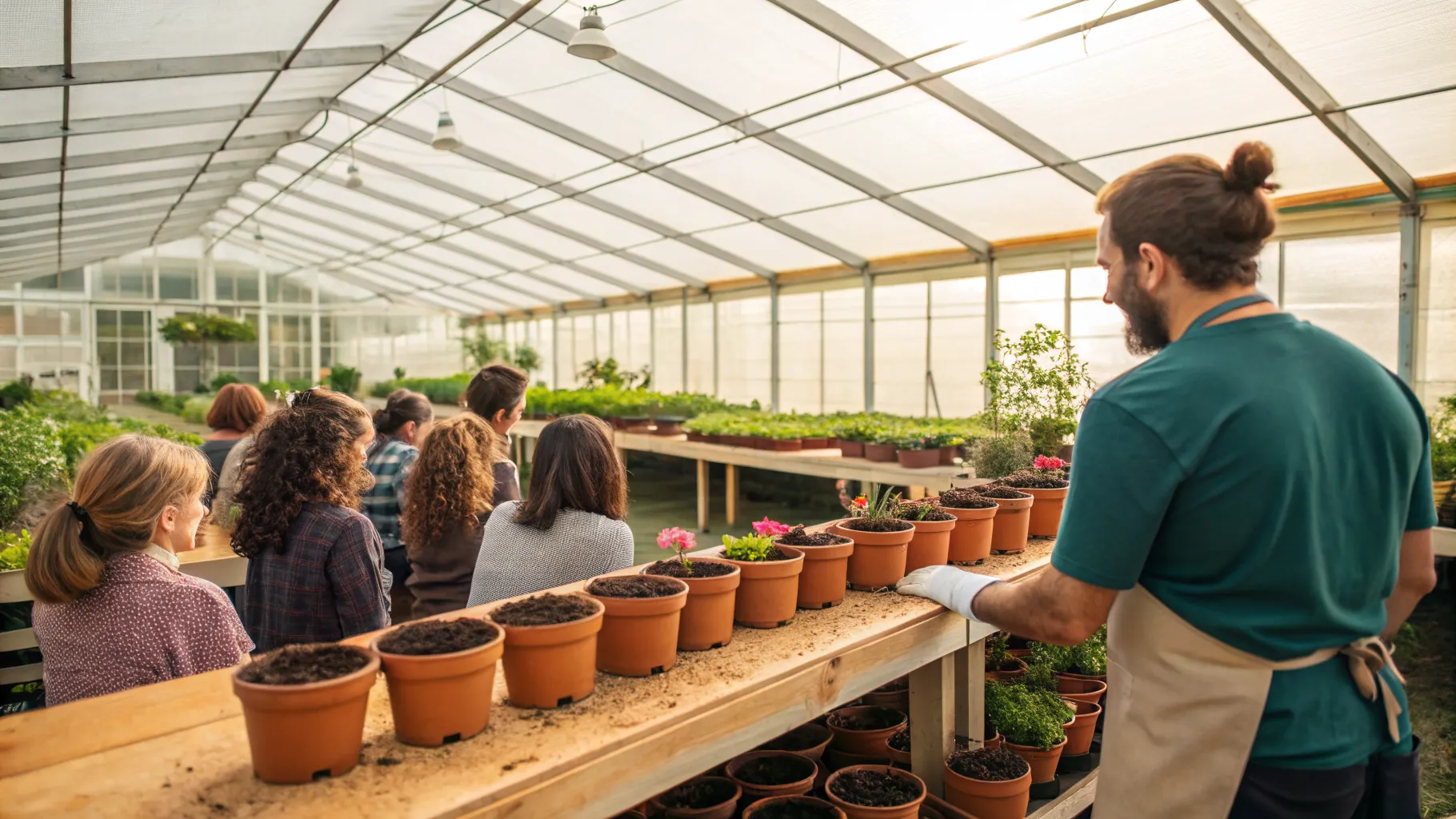
When you sign up for gardening classes focused on flowers, you're not just signing up to listen to lectures. A well-rounded curriculum for beginner flower gardening typically combines theoretical knowledge with crucial hands-on practice. You can expect to cover the fundamentals, starting with understanding your local climate and soil type, which are critical factors for a successful garden. Instructors will guide you through the process of selecting the right flowers for your space, considering sunlight requirements, water needs, and blooming seasons. These flower growing workshops also delve into the life cycle of plants, from seed germination to mature bloom, equipping you with the essential skills to nurture your garden at every stage. The goal of these courses is to empower you with the practical expertise needed to create and maintain a stunning floral display independently.
Choosing the Right Flower Growing Workshops for You
The variety of available flower growing workshops means there is a perfect fit for every learning style and schedule. In-person gardening classes, often held at local botanical gardens, community centers, or nurseries, offer the invaluable benefit of hands-on experience and direct interaction with instructors and peers. You can physically touch the soil, practice pruning on real plants, and get immediate feedback. On the other hand, online flower gardening classes for beginners provide flexibility, allowing you to learn at your own pace from anywhere in the world. Many online courses feature high-quality video tutorials, downloadable resources, and active online communities where you can ask questions and share your progress. When choosing, consider your budget, time commitment, and whether you learn best in a group setting or through self-directed study.
Core Skills You Will Learn in Gardening Classes
A comprehensive course will arm you with an array of essential skills that form the bedrock of successful flower gardening. These workshops are designed to be practical, ensuring you leave with the ability to apply what you've learned immediately. Here are some of the fundamental skills you'll master in flower gardening classes for beginners:
- Soil Preparation and Health: You will learn flower gardening starts from the ground up. Classes cover how to test your soil's pH, amend it with compost and other organic matter to improve its structure and fertility, and understand the different needs of various flower types. Healthy soil is the single most important factor for vibrant plants.
- Seed Sowing and Planting Techniques: Instructors will demonstrate the proper techniques for sowing seeds, both indoors to get a head start and directly in the garden. You'll also learn how to transplant delicate seedlings and purchased plants without causing stress, ensuring they establish themselves quickly in their new home.
- Watering and Irrigation Strategies: One of the most common mistakes in beginner flower gardening is improper watering. You'll learn how to water deeply and less frequently to encourage strong root growth, understand the signs of both overwatering and underwatering, and explore efficient irrigation methods like drip lines.
- Pest and Disease Management: Effective gardening classes teach integrated pest management (IPM), focusing on organic and preventative solutions. You'll learn to identify common garden pests and diseases and discover how to manage them using beneficial insects, companion planting, and safe, eco-friendly treatments.
The Benefits of Hands-On Learning in Flower Gardening
While books and online videos are excellent resources, nothing replaces the value of hands-on practice offered by dedicated flower growing workshops. The tactile experience of working with soil, seeds, and plants solidifies theoretical knowledge in a way that passive learning cannot. When you physically perform tasks like pruning a rose bush or dividing a perennial, the techniques become ingrained in your memory. This active learning process builds muscle memory and deepens your understanding of plant care. Furthermore, these workshops provide a safe environment to make mistakes and learn from them under the guidance of an expert. This practical application is what truly transforms a novice into a confident gardener, ready to tackle any challenge in their own garden.
Finding Local and Online Flower Gardening Classes for Beginners
Finding the right class is easier than ever. Start by checking with your local botanical gardens, community colleges, or university extension programs, as they frequently offer high-quality, affordable gardening classes. Local nurseries and garden centers are also excellent resources and often host their own flower growing workshops. For online options, platforms like Coursera, Skillshare, and dedicated gardening websites offer a vast range of courses. When searching online, use specific phrases like 'flower gardening classes for beginners' or 'learn flower gardening online' to find courses tailored to your needs. Reading reviews and checking the instructor's credentials can help you choose a program that will provide the best value and educational experience.
Frequently Asked Questions
What materials do I need for a beginner flower gardening class?
Most in-person classes will provide the necessary tools and materials for hands-on activities. However, it's always a good idea to have a sturdy pair of gardening gloves, a notebook for taking notes, and a trowel. For online courses, you'll need a reliable internet connection and may need to purchase seeds, soil, and containers if you wish to follow along with the practical exercises.
How long are typical flower growing workshops?
The duration varies widely. A single workshop might last a few hours on a weekend, covering a specific topic like 'Rose Care' or 'Container Gardening.' A more comprehensive course for beginners could span several weeks, with one class session per week. Online courses offer the most flexibility, allowing you to complete them over days, weeks, or months.
Can I really learn flower gardening from an online course?
Absolutely. While you miss the in-person, hands-on component with an instructor, high-quality online courses compensate with detailed video demonstrations, comprehensive guides, and interactive forums. They are an excellent option for those with busy schedules or who live in areas with limited access to in-person classes. Success depends on your commitment to applying what you learn in your own garden.
References
- Journal of Horticultural Education
- National Gardening Association Beginner's Guide
- Community Gardening Today Publication