Fix Peeling Clear Coat for Your Car with Easy Repair Guide
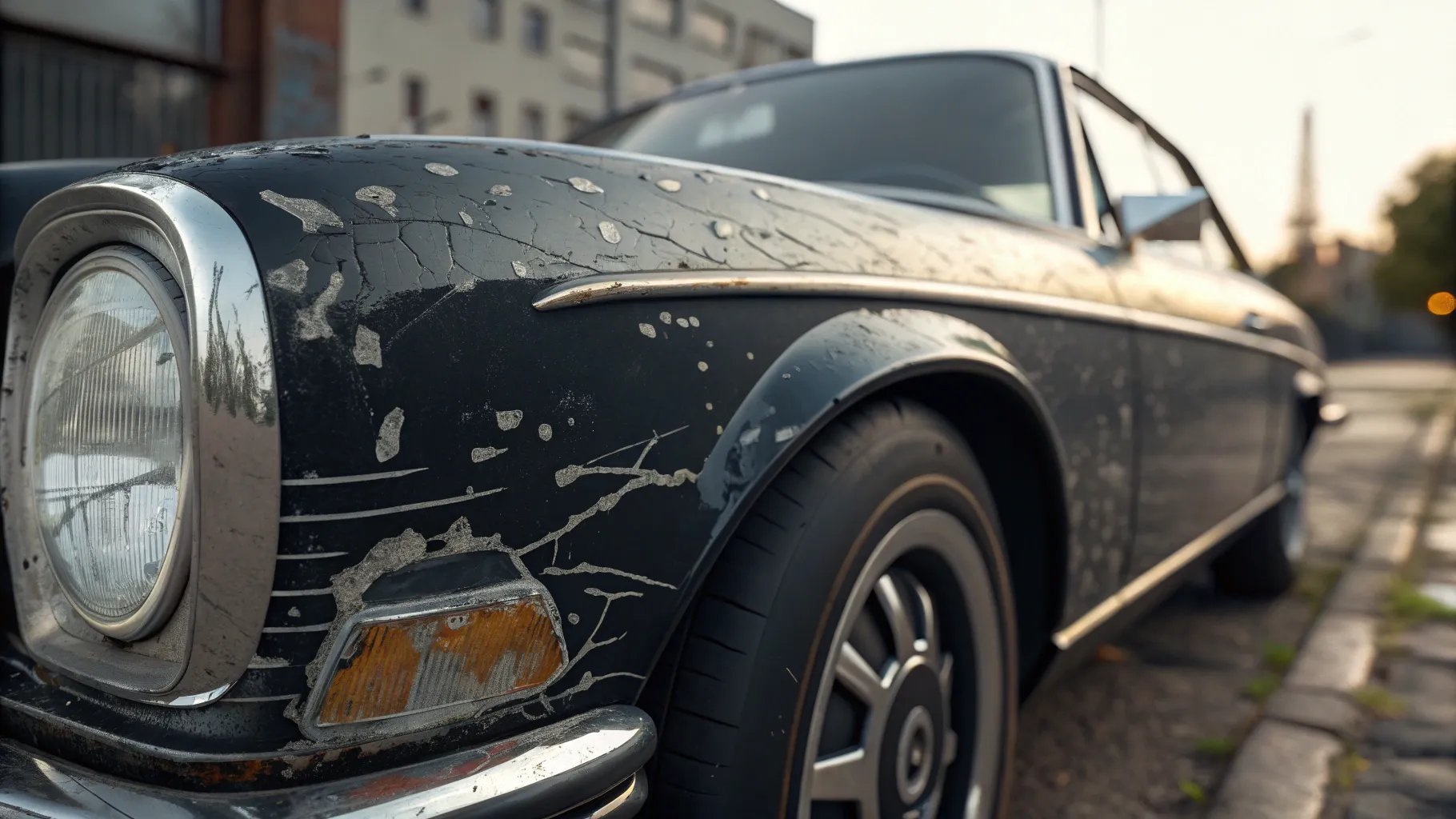
Understanding Car Clear Coat Peeling
The clear coat on your car serves as a protective layer, providing a glossy finish while shielding the underlying paint from harmful elements like UV rays, dirt, and debris. However, over time, it's common to notice issues such as car clear coat peeling. This damage can occur due to several factors, including exposure to harsh weather, improper application during repainting, and lack of regular maintenance. As we dive into the details of how to fix peeling clear coat, we’ll explore the causes, effects, and effective repair techniques.
Common Causes of Clear Coat Peeling
Understanding the reasons behind clear coat peeling can help you prevent it in the future. Here are the most frequent culprits contributing to this unsightly issue:
- UV Damage: Prolonged exposure to sunlight degrades the clear coat, leading it to oxidize and eventually peel.
- Improper Application: If the clear coat wasn't applied correctly or the surface wasn't prepped properly, it may start to peel shortly after application.
- Environmental Factors: Harsh chemicals, extreme temperatures, and humidity can affect the integrity of the clear coat over time.
- Lack of Regular Maintenance: Failing to regularly wash and wax your vehicle can allow dirt and other particles to scratch or damage the clear coat.
Recent studies indicate that nearly 30% of vehicles experience some form of clear coat damage within the first five years due to environmental exposure and neglect. Knowing the reasons behind clear coat peeling equips car owners with the knowledge needed to maintain their vehicles better.
How to Fix Clear Coat Peeling
If you’re facing peeling clear coat, don’t worry! Repairing it yourself can save you time and money. Here is a comprehensive step-by-step guide on how to repair clear coat peeling:
Materials You’ll Need
- Wetsandpaper (2000 to 3000 grit)
- Duct tape or painter's tape
- Clear coat spray or brush-on clear coat
- Polishing compound
- Microfiber cloths
- Masking paper (optional)
Step-by-Step Repair Process
- Assess the Damage: Start by closely examining the affected area. Determine how extensive the peeling is and where the paint underneath may be damaged.
- Prep the Area: Clean the affected area thoroughly with soap and water, and dry it well. Use tape to mask off areas surrounding the damage to protect them during the repair process.
- Wetsand the Peeling Area: Gently wetsand the peeling area with fine-grit sandpaper. The goal is to create a smooth surface that promotes adhesion of the clear coat. Be cautious not to sand too hard, as this can damage the paint beneath.
- Clean Again: Wipe the area with a microfiber cloth to remove any dust or debris created during sanding.
- Apply Clear Coat: Use a brush or spray can to apply a new layer of clear coat over the affected area. If spraying, hold the can about six inches away and apply several light coats, allowing each to dry before applying the next.
- Let It Cure: Allow the clear coat to cure fully; refer to the product instructions for specific curing times, often around 24 hours.
- Polish the Surface: Once the clear coat is dry, apply a polishing compound to blend the repaired area with the rest of the surface. Buff it gently using a clean microfiber cloth, ensuring a smooth finish.
Additional Tips for Clear Coat Care
To prolong the life of your newly applied clear coat and prevent future peeling, consider these tips:
- Regular Washing: Keep the car clean to prevent contaminants from causing damage.
- Waxing: Applying wax every few months can create a barrier against UV rays and pollutants.
- Park Smart: Whenever possible, park your car in shade or use a car cover when parked outside.
By taking these preventative measures, you can keep your vehicle looking great and extend the lifespan of your clear coat. Remember, repairs such as clear coat peeling repair can be done successfully at home, but staying on top of maintenance is key to avoiding these issues altogether.
Professional Help for Severe Cases
In some instances, you may find that the damage is too extensive for a DIY repair. If you encounter large areas where the clear coat is peeling or the paint beneath is damaged, seeking professional help might be your best option. Professionals can provide a complete repaint of the affected section, ensuring that the repair is seamless and long-lasting.
According to recent data, the cost of professional clear coat repair can vary widely based on the extent of the damage and labor rates in your area; prices can range from $150 to $600. However, investing in quality repairs from a qualified professional can save you from more significant issues down the road.
Remember, your vehicle is a reflection of you. Taking charge of its maintenance, including understanding how to fix peeling clear coat, will not only preserve its aesthetic appeal but also protect your investment in the long run. With regular care and timely repairs, your car can remain a source of pride and joy on the road.