A Complete Guide to Cruises Around Australia for Seniors
Embarking on a coastal journey provides an excellent way to see the vast and varied landscapes of the Australian continent. For those planning their travel, understanding the different regions, ship types, and available amenities is key to a successful voyage.
The Appeal of Australia Coastal Cruises for Seniors
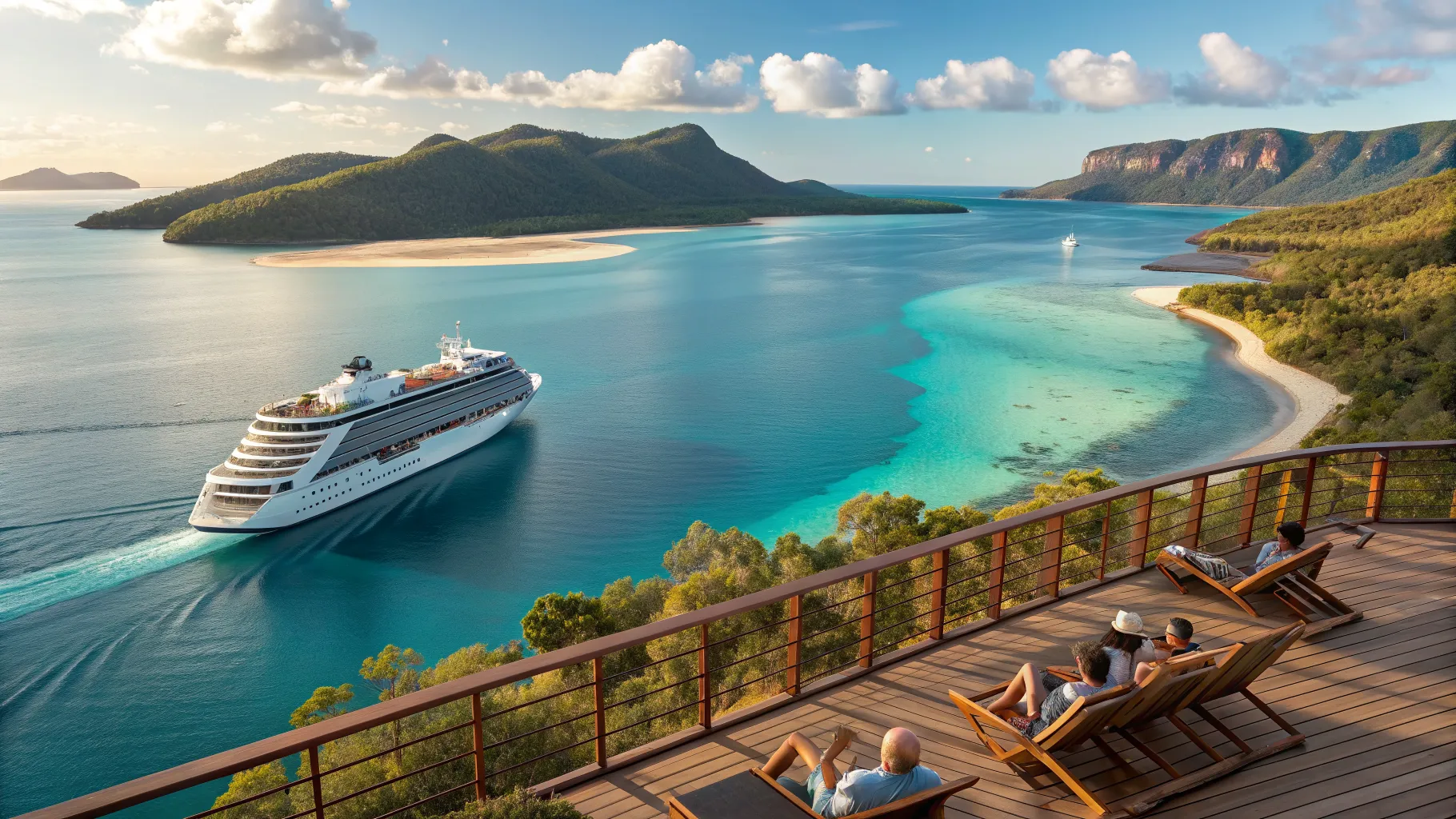
Embarking on cruises around Australia offers a unique vantage point to witness the vastness of the continent. For senior travelers, these journeys remove the stress of constant packing, navigating unfamiliar roads, and enduring long road trips. The vessel serves as a floating hotel, moving seamlessly from one iconic destination to the next while providing a safe and controlled environment.
- Convenience: Unpack once and wake up in a new city or scenic region without the hassle of transit logistics.
- Scenic views: Enjoy uninterrupted sights of the coastline, coral reefs, and marine life right from the comfort of the deck.
- Social opportunities: Meet like-minded travelers in a relaxed, structured setting with plenty of shared activities.
Popular Routes and Itineraries
When looking into Australia cruises for seniors, the geographic options are incredibly diverse. The Great Barrier Reef is a staple on many northern itineraries, typically departing from cities like Brisbane or Sydney and traveling up the coast toward Cairns or Port Douglas. These tropical routes focus heavily on marine ecology, island hopping, and warm weather relaxation.
Conversely, southern itineraries might explore the rugged coastlines of Tasmania, South Australia, and Victoria. These voyages often highlight renowned wine regions, historical ports, and dramatic cliff faces. Another major route is the Kimberley coast in Western Australia, known for its breathtaking red rock formations and ancient landscapes, though these tend to lean more toward expedition-style travel.
Onboard Amenities and Accessibility
Modern cruise lines cater heavily to the needs of older adults, ensuring a highly comfortable experience throughout the journey. Ships typically feature ample elevators, wide corridors, and fully accessible public restrooms. Many cabins are specifically designed for passengers with mobility limitations, offering wide doorways, roll-in showers, and sturdy grab bars.
Dining and entertainment are also structured with comfort in mind. Senior Australia cruises often feature flexible dining schedules, comprehensive dietary accommodations, and enrichment programs such as guest lectures and port history classes. Entertainment tends to focus on live music, theater productions, and cultural demonstrations rather than high-energy late-night parties.
Best Times of Year to Sail
The optimal timing of a coastal voyage depends entirely on the chosen region. Tropical northern routes are best experienced during the dry season, which runs from May to October. During these months, the humidity is much lower, and the risk of tropical storms is significantly reduced, making for smoother sailing and far more comfortable shore excursions.
Southern coastal routes are generally favored during the Australian summer, spanning from December to February. This period provides warmer temperatures for exploring cooler regions like Tasmania and the Great Australian Bight. Travelers should always check historical weather patterns for their specific itinerary to ensure the regional climate aligns with their personal comfort levels.
What to Look for When Choosing a Voyage
Selecting the right vessel is a critical step in planning cruises around Australia. Large resort-style ships offer extensive amenities, multiple dining venues, and a bustling atmosphere. These are ideal for travelers who want constant activity, large-scale theater shows, and diverse entertainment options without ever having to leave the ship.
Smaller ships or boutique vessels provide a much more intimate experience. They can navigate into smaller ports and travel closer to the coastline, offering exclusive views of hidden bays and remote coastal towns. While they may have fewer dining options, the service is often highly personalized, and the atmosphere remains significantly quieter.
Health and Safety Considerations
Maintaining good health while at sea is a priority for any traveler. Ships are equipped with medical centers staffed by licensed doctors and nurses, but overall capabilities can vary greatly between vessels. It is important to review the onboard medical facilities before booking, especially for individuals managing pre-existing health conditions.
- Medical insurance: Ensure your comprehensive travel insurance specifically covers offshore medical evacuation and cruise-related incidents.
- Medication management: Bring an adequate supply of all necessary prescriptions in their original bottles, as onboard pharmacies have very limited stock.
- Seasickness preparedness: Consult a medical professional about motion sickness remedies before departure, even if traveling on a large stabilized ship.