Exploring Floral Design Classes for Seniors: A Guide to Creative Flower Arranging
Discovering a new hobby can be an exciting journey at any stage of life. For many older adults, floral design classes for seniors present a perfect blend of creativity, relaxation, and socialization.
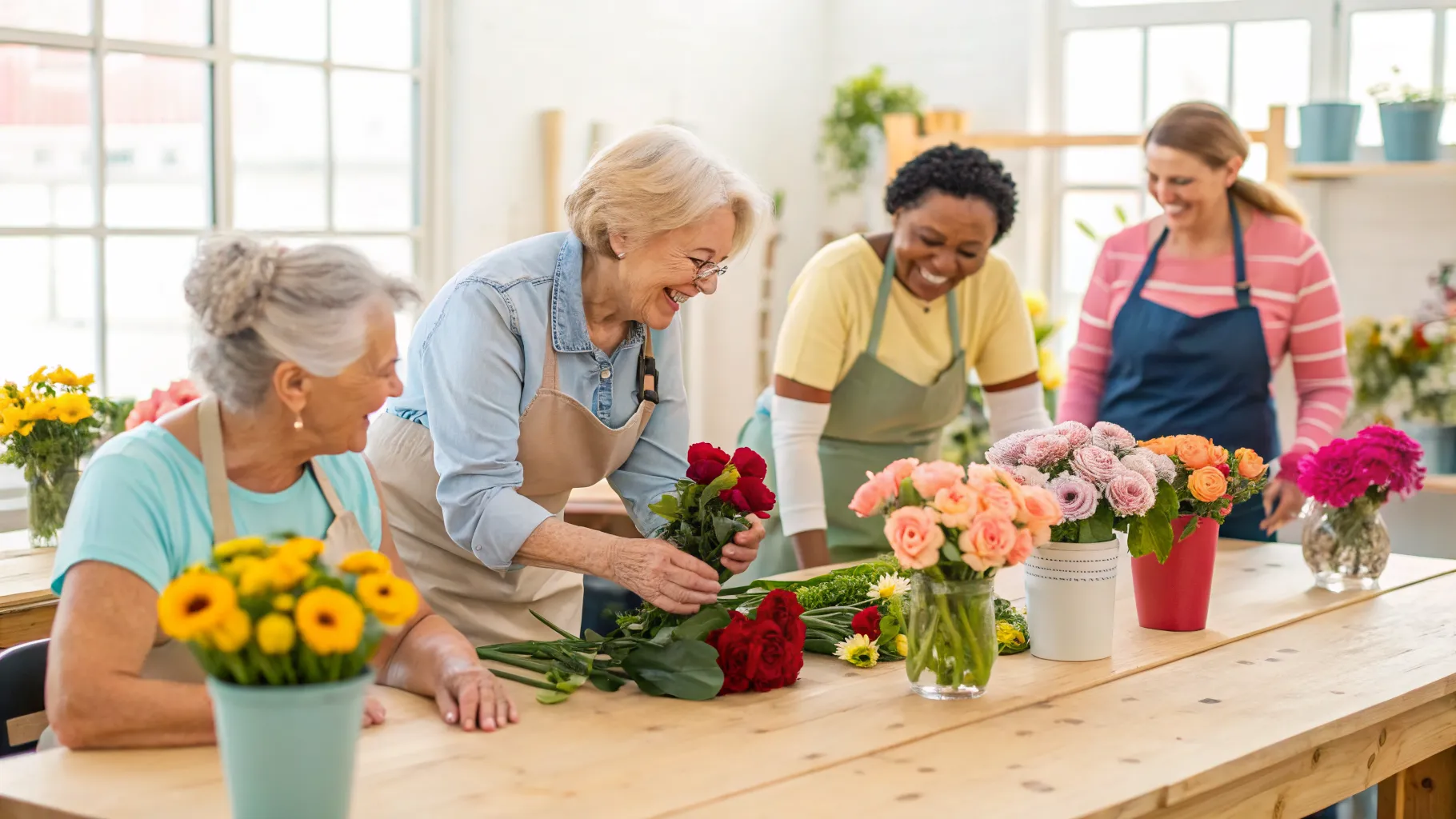
The Rise of Senior Floral Classes
Flower arranging classes have grown in popularity among older adults looking for engaging and accessible hobbies. Working with plants and blooms is both mentally stimulating and physically manageable, making it an ideal pastime for those who want a rewarding creative outlet.
These floral workshops for seniors cater specifically to older age groups, ensuring that the pace is comfortable and the environment is welcoming. Instructors often focus on the joy of creating rather than strict technical perfection, allowing participants to explore their artistic side without pressure.
Cognitive and Physical Benefits of Flower Arranging
Engaging in floral design classes for seniors provides significant cognitive advantages. Memorizing plant names, understanding color theory, and planning a structural design all help keep the mind sharp and active. The problem-solving required to balance a floral piece is a gentle but effective mental exercise.
On a physical level, the activity helps maintain fine motor skills. Snipping stems, placing delicate petals, and tying ribbons require precise hand movements that can benefit joint flexibility. Because the work is typically done seated or standing comfortably at a table, it is easy on the body.
Social Connections Through Floral Workshops
One of the most valued aspects of senior floral classes is the built-in community. Attending a weekly or monthly class gives participants something to look forward to and a shared topic of conversation. This regular gathering helps build a sense of belonging.
Many workshops encourage collaboration or include time for tea and discussion. This social interaction is highly beneficial for combating loneliness and building lasting friendships among peers who share similar interests.
What to Expect in a Typical Flower Design Class
If you have never attended flower design classes before, you might wonder how the sessions are structured. Usually, the instructor provides a demonstration of a specific style or technique before students try their hand at the floral arrangements themselves.
- An introduction to the specific flowers and foliage being used that day.
- A step-by-step guide on how to prepare the stems and condition the water.
- Hands-on time to build the arrangement with personalized instructor guidance.
- Helpful tips on how to care for the finished piece so it lasts longer at home.
Choosing the Right Floral Design Classes for Seniors
Not all flower arranging classes are the same, so it is important to find one that suits your physical abilities and personal interests. Some classes focus on traditional centerpieces, while others explore modern, minimalist designs or seasonal wreath making.
When looking for a class, consider checking local community centers, botanical gardens, and adult education programs. These venues frequently host floral workshops for seniors that are well-structured, affordable, and easy to access via public transportation or local senior transit services.
Essential Tools and Materials You Will Encounter
Participants in senior floral classes do not usually need to bring their own supplies, as instructors typically provide everything required. However, familiarizing yourself with the tools ahead of time can make the experience more comfortable and enjoyable.
- Floral shears or secateurs designed for making clean cuts on thick stems.
- Chicken wire or floral frogs used to hold stems securely in place.
- A variety of vases, ranging from shallow ceramic bowls to tall glass cylinders.
- Thorn strippers to safely handle roses and other potentially prickly stems.