Exploring Craft and Sewing Classes for Over 60s
Retirement or reduced working hours often provide the perfect opportunity to explore new hobbies or rekindle old passions. Craft and sewing classes designed specifically for those over 60 offer a welcoming environment to learn new skills while connecting with peers. Whether you are a complete beginner or looking to refine your techniques, there is a wide variety of educational opportunities available.
The Benefits of Creative Classes for Older Adults
Participating in creative classes for older adults extends far beyond simply taking home a finished project. Engaging in activities like sewing or pottery requires hand-eye coordination and fine motor skills, which helps keep hands agile and minds sharp. The process of following a pattern or measuring materials provides gentle cognitive stimulation that is highly beneficial as we age.
Furthermore, these classes serve as excellent social hubs. Isolation can be a common challenge for seniors, but joining a weekly group creates a natural, low-pressure environment to meet people with shared interests. Many participants find that the friendships formed over a shared sewing table or craft bench are just as rewarding as the skills they learn.
Popular Types of Seniors Craft Classes
The term craft is incredibly broad, meaning there is likely a class to suit almost any interest or physical ability level. Community centers and art schools typically curate their seniors craft classes to include both traditional and contemporary artistic pursuits. These environments focus on patience, clear instruction, and the joy of creation rather than high pressure deadlines.
- Pottery and ceramics for tactile engagement and creative sculpting.
- Watercolor and acrylic painting to explore color theory and visual expression.
- Knitting and crochet, which offer repetitive, calming motions.
- Paper crafting and scrapbooking for preserving memories and creating personalized stationery.
- Woodworking fundamentals tailored for safety and accessibility.
What to Expect in Sewing Classes Over 60
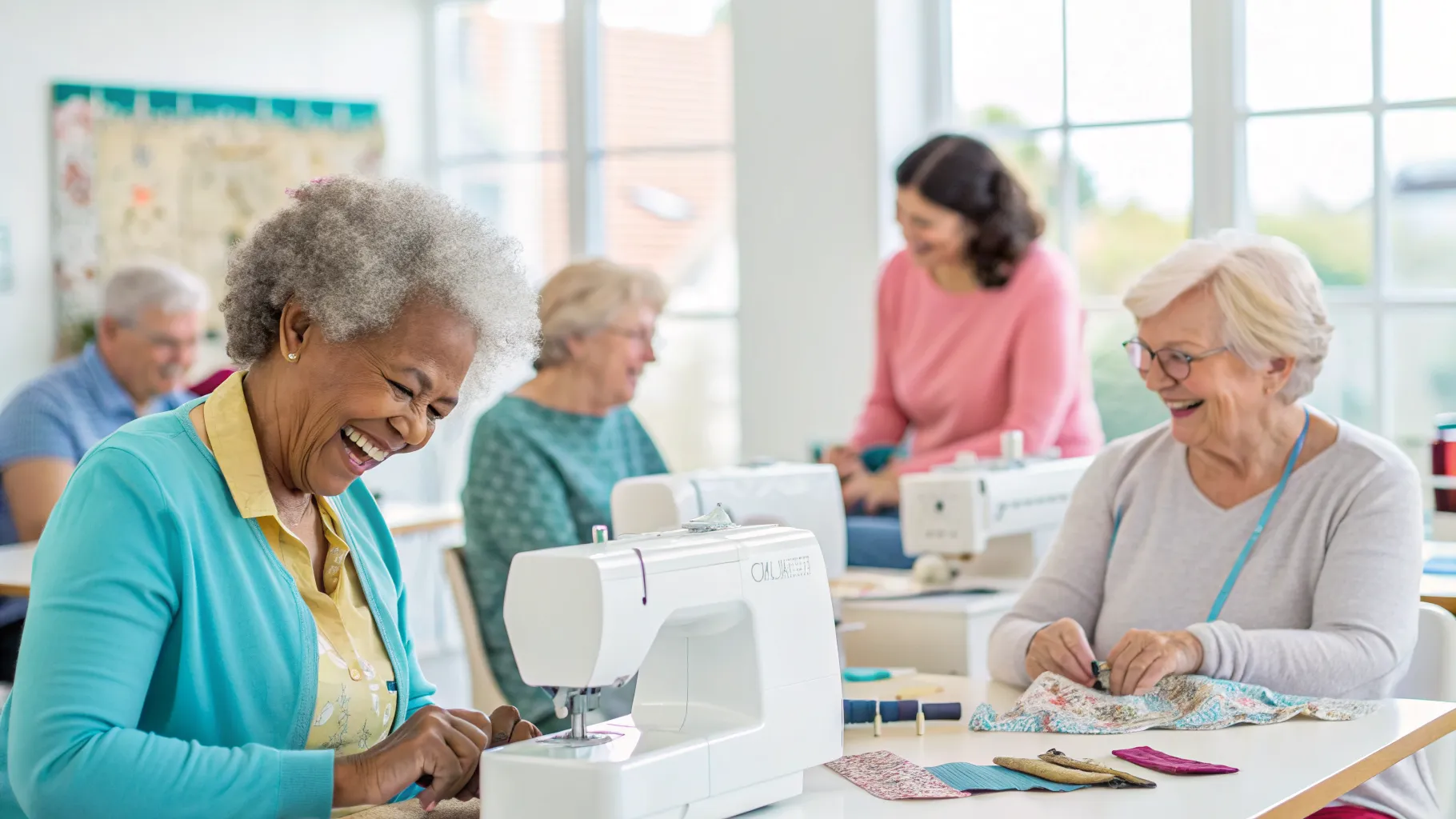
When attending sewing classes over 60, participants will typically find an environment tailored to comfort and accessibility. Instructors often use large print patterns, well lit workstations, and ergonomic sewing machines with features like automatic needle threaders. The pacing of the class is usually relaxed, allowing plenty of time for questions and individualized guidance.
The curriculum generally covers a spectrum of practical and creative skills. Beginners might start with basic hand-stitching and familiarization with sewing machine mechanics. As confidence grows, lessons often progress to garment alterations, quilting, or creating home decor items. This practical focus ensures that students can immediately apply their new skills to everyday life.
Finding Local Craft and Sewing Classes
Locating craft and sewing classes in your area is often easier than expected once you know where to look. Local community centers and dedicated senior citizen centers are usually the best starting points, as they frequently host subsidized or free workshops tailored specifically for older adults. These venues prioritize accessibility and community engagement.
Additionally, public libraries, adult education annexes at local colleges, and independent fabric or craft stores regularly schedule group lessons. Checking community bulletin boards, local government websites, or simply asking staff at a neighborhood craft supply shop can yield excellent recommendations for well-regarded instructors and upcoming sessions.
Essential Considerations Before Enrolling
Before committing to a specific course, it is wise to evaluate a few practical details to ensure the experience is enjoyable. Accessibility is a primary concern. You should verify that the classroom is easy to navigate, particularly if there are mobility considerations, and that comfortable seating is provided for tasks that require long periods of sitting.
It is also important to understand the financial expectations and materials required. Some classes include all necessary fabrics, threads, and tools in the enrollment fee, while others require students to purchase their own supplies. Clarifying these details in advance helps prevent unexpected costs and ensures you arrive fully prepared for your first lesson.
Embracing Online Creative Classes
For those who prefer learning from the comfort of their own home, online craft and sewing classes have become incredibly popular and accessible. Virtual platforms allow older adults to access a global network of expert instructors without having to worry about transportation or navigating unfamiliar buildings. Many of these digital courses offer recorded sessions, meaning you can pause, rewind, and re-watch complex techniques at your own pace.
While learning online might seem solitary, many instructors actively foster a sense of community through live video chats, digital forums, and shared project galleries. To get started, you simply need a reliable internet connection, a tablet or computer with a reasonably sized screen, and a willingness to try something new. The virtual classroom has proven to be a highly effective space for seniors looking to explore their creativity.