Exploring 14-Night Spain, Portugal, and France Cruises
Embarking on a 14 night europe cruise offers travelers an exceptional way to experience the diverse cultures of the Iberian Peninsula and neighboring regions. A two-week journey allows for a deep dive into historical cities, coastal towns, and distinct culinary landscapes without the hassle of constantly relocating.
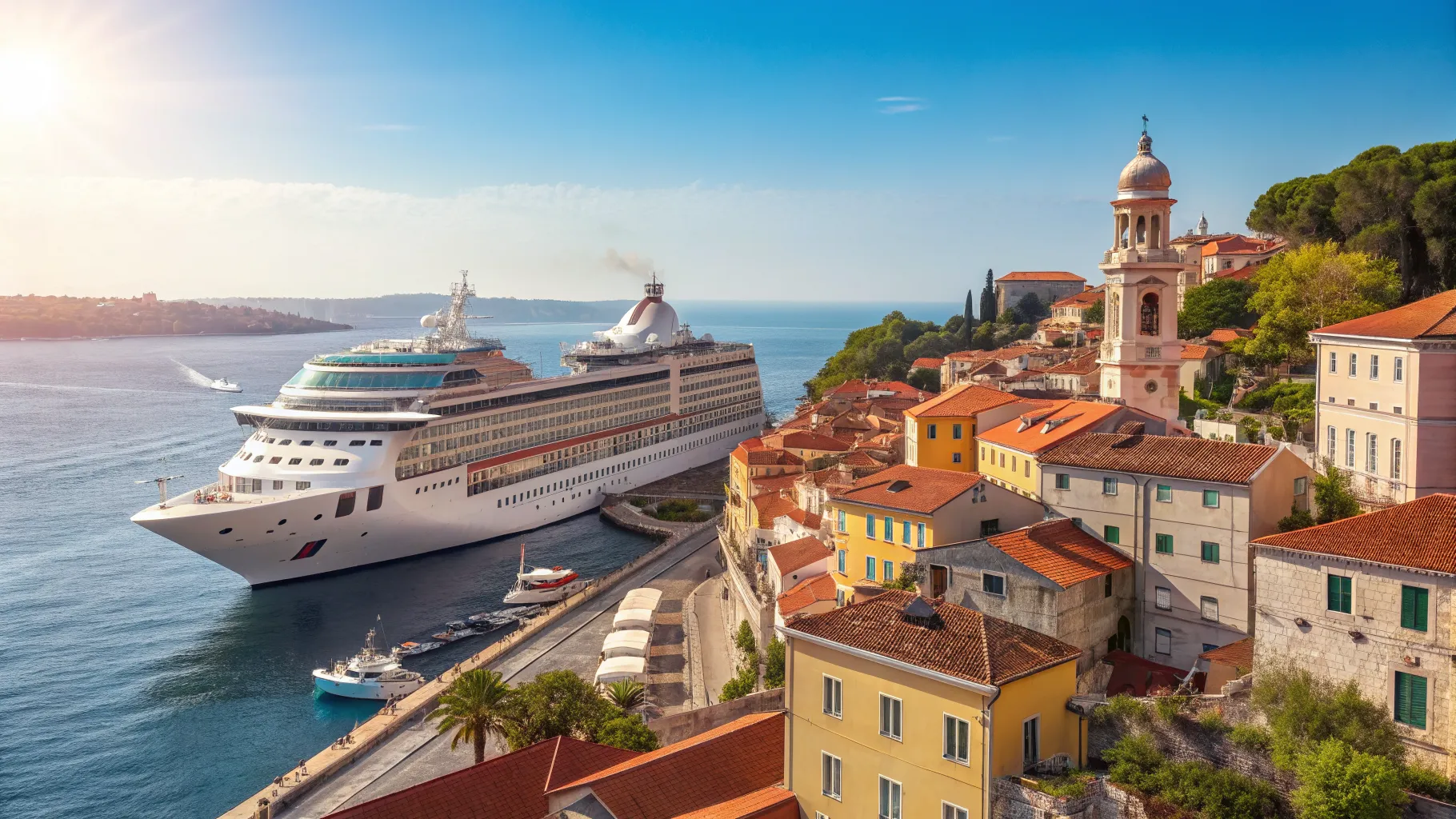
The Allure of Western Europe Cruises
Western europe cruises provide an incredible opportunity to see multiple countries in a single vacation. A 14-night itinerary offers a balanced mix of busy port days and relaxing days at sea. This pace is ideal for travelers who want to absorb the history and culture of the region while still having time to unwind.
A spain portugal france cruise specifically highlights the striking contrasts between these three nations. Passengers can wake up to the gothic architecture of a Spanish cathedral, spend the next day sipping port wine in a Portuguese coastal town, and conclude the week exploring a French coastal fortress.
Typical Ports of Call in Spain
A spain and portugal cruise usually dedicates several days to Spanish ports, given the extensive and varied coastline of the country. Popular Mediterranean stops often include Barcelona, Valencia, and Malaga, while Atlantic routes might visit Vigo or Bilbao.
In these ports, visitors can explore iconic landmarks like the Sagrada Familia in Barcelona, taste authentic paella in its birthplace of Valencia, or visit the historic Alcazaba in Malaga. Each port stop highlights a uniquely different region and cultural flavor of Spain.
Exploring Portugal From Coast to City
Portugal is a cornerstone of this two-week journey. Cruise ships frequently dock in Lisbon, the vibrant capital city, or further north in Leixoes, which serves as the gateway to Porto. Some itineraries also include stops in the scenic Azores or Madeira islands.
In Lisbon, cruisers can ride the historic tram network or visit the iconic Belem Tower. Visitors docking near Porto often take riverboat tours along the Douro River and participate in local port wine tasting sessions. The Portuguese stops are widely praised for their rich maritime history and welcoming locals.
Experiencing the French Coastline
A well-planned france cruise itinerary often includes ports along the Atlantic coast, the English Channel, or the French Riviera, depending on the exact route of the ship. These stops add a distinct elegance and rich culinary tradition to the voyage.
Atlantic stops might include Bordeaux, a haven for wine enthusiasts, or La Rochelle. If the ship remains in the Mediterranean, ports like Marseille or Cannes offer access to world-renowned art museums, historic chateaus, and spectacular coastal scenery.
What to Expect Onboard During a Two-Week Voyage
A 14-night sailing generally means more days at sea compared to shorter seven-day trips. This extended time allows passengers to fully utilize the amenities of the ship, from spa facilities to specialty dining venues and expansive libraries.
Enrichment programs on these longer voyages often mirror the destinations. Passengers can expect guest lecturers discussing European maritime history, local wine tasting seminars hosted by sommeliers, and regional dishes incorporated into the menus of the main dining rooms.
Packing and Preparation for a Multi-Country Cruise
Packing for three distinct countries requires a versatile wardrobe. Temperatures can vary significantly between the sunny Mediterranean coast and the breezy Atlantic shores, especially during the spring and autumn months.
- Bring layered clothing to easily adapt to fluctuating daily temperatures.
- Pack comfortable walking shoes suitable for navigating uneven cobblestone streets.
- Carry a lightweight daypack to hold essentials during shore excursions.
- Remember a universal travel adapter if you plan to stay in European hotels before or after the cruise.
Best Times of Year to Sail This Itinerary
The timing of your trip greatly impacts the overall experience. Spring and autumn are widely considered the most ideal seasons for this specific region. During these months, the weather is generally mild, making long walking tours much more comfortable.
Summer months bring warmer weather and larger crowds, which is perfect for beachgoers but can be taxing for historical sightseeing. Conversely, the shoulder seasons offer a more relaxed atmosphere, allowing visitors to appreciate the local culture with fewer tourist lines.