A Comprehensive Guide to Home Repair Classes
Taking the initiative to learn household maintenance can transform a daunting task into an empowering skill. Home repair classes offer an excellent starting point for those looking to understand their living spaces better and take control of routine property upkeep.
Understanding the Value of DIY Repair Classes
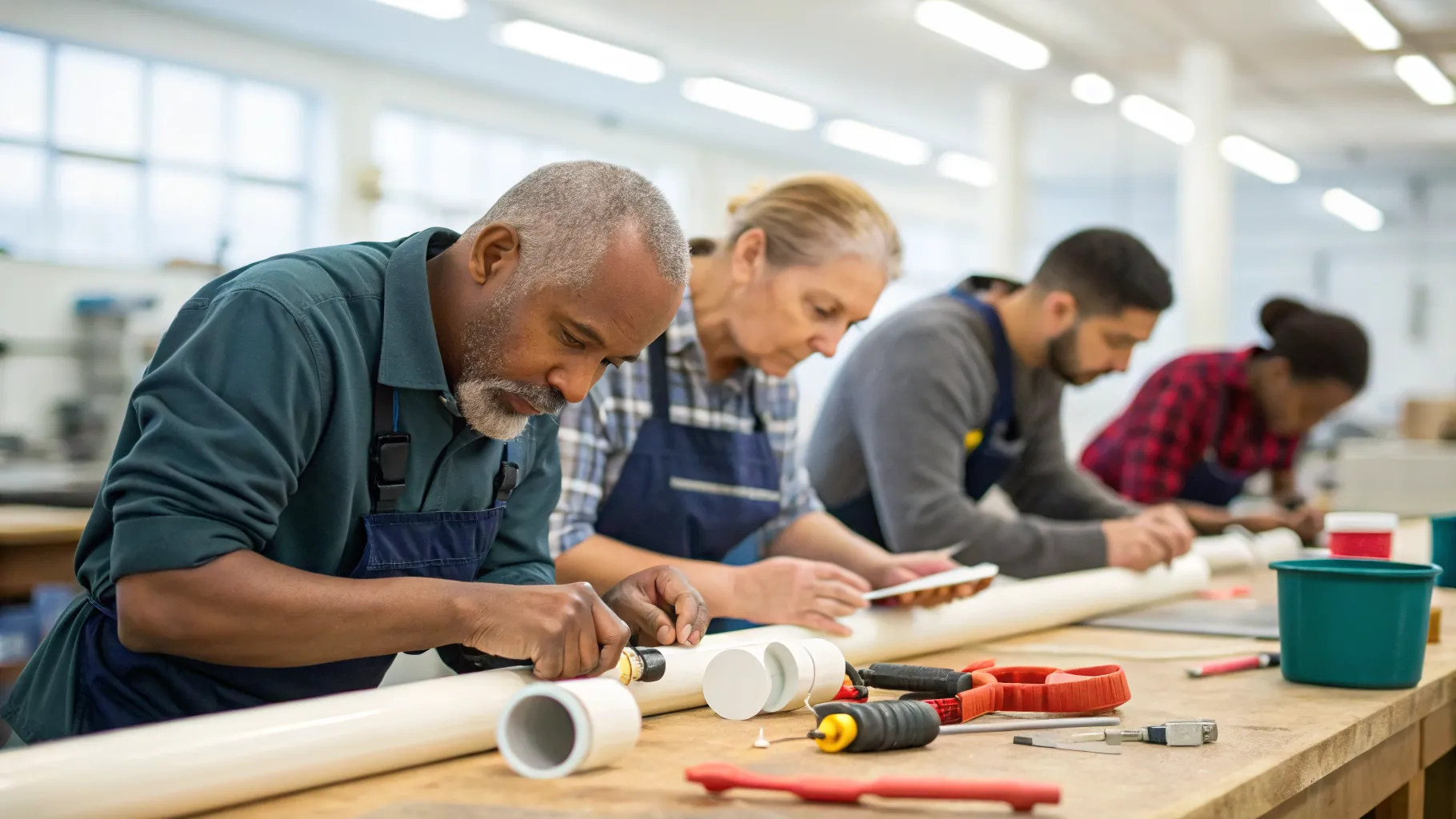
Taking on household fixes can seem intimidating for absolute beginners. However, gaining basic knowledge through dedicated instruction helps demystify the entire process. Home repair classes offer structured environments where homeowners and renters alike can learn essential skills without the pressure of immediately working on their own properties.
Beyond building confidence, acquiring these skills can lead to significant long-term financial savings. When individuals learn to handle minor plumbing leaks or drywall patches, they reduce their reliance on expensive professional contractors for minor issues. This newly found independence transforms how people approach home maintenance and overall property care.
Common Skills Taught in Basic Home Repair Workshops
Most foundational courses focus on the most frequent issues encountered in a typical household. Instructors usually prioritize practical, hands-on techniques that participants can apply immediately after completing the session.
- Drywall repair: Patching holes, applying joint compound, and sanding for a smooth finish.
- Basic plumbing: Fixing leaky faucets, replacing showerheads, and clearing clogged drains safely.
- Electrical basics: Understanding breaker boxes, replacing light switches, and upgrading standard outlets while strictly following safety protocols.
- Carpentry fundamentals: Measuring accurately, using power drills, and hanging heavy items securely on drywall and studs.
Where to Find Home Improvement Classes Locally
Locating nearby instruction is often easier than many people realize, as several community hubs host these educational events. Local community colleges and adult education centers frequently offer non-credit evening or weekend courses tailored for adult learners interested in basic home repair.
Additionally, large hardware store chains and independent local hardware shops often host weekend repair workshops. Habitat for Humanity ReStores and local maker spaces are also excellent resources. These community-focused organizations frequently organize demonstrations led by experienced volunteers or retired tradespeople who wish to pass on their lifelong expertise.
Online vs In-Person Repair Workshops
The rise of digital education has made it possible to learn home maintenance through virtual platforms. Online diy repair classes provide incredible convenience, allowing students to pause, rewind, and re-watch complex tutorials from the comfort of their own living rooms. They are often highly detailed and visually focused, making it easy to see close-up techniques.
On the other hand, in-person instruction provides invaluable hands-on experience. Being in a physical workshop allows students to hold tools, feel the resistance of materials, and receive immediate corrective feedback from a qualified instructor. The choice between the two formats largely depends on individual learning preferences and geographic availability.
What to Expect During Your First Class
Walking into a workshop for the first time can feel intimidating, but these spaces are designed specifically for beginners. The atmosphere is generally collaborative and supportive, with instructors operating under the assumption that students have zero prior experience with tools or building materials.
A typical session starts with a brief safety orientation and an overview of the tools that will be used that day. Afterward, the instructor will demonstrate the task at hand before breaking the class into smaller groups or individual workstations. Students then practice the technique on mock walls, practice pipes, or scrap wood until they feel comfortable with the physical process.
Tools and Safety Gear You Might Need
Most introductory home improvement classes provide all the necessary tools and materials for the duration of the workshop. Students rarely need to purchase heavy equipment or specialized power tools before attending their first session. However, it is always a good idea to check the specific course requirements or syllabi beforehand.
Even if tools are provided, wearing appropriate clothing is essential for safety and comfort. Participants should wear closed-toe shoes, avoid loose or baggy clothing, and tie back long hair. Instructors usually supply safety goggles and gloves, but bringing a personal pair of well-fitting work gloves can make handling rough materials much more comfortable.