Comprehensive Guide to Colitis Treatment Options and Management
Colitis is a condition characterized by the inflammation of the inner lining of the colon, and finding the right colitis treatment is crucial for managing symptoms and maintaining a good quality of life. Treatment plans are highly individualized, depending largely on the specific type of colitis a patient has and the severity of their symptoms.
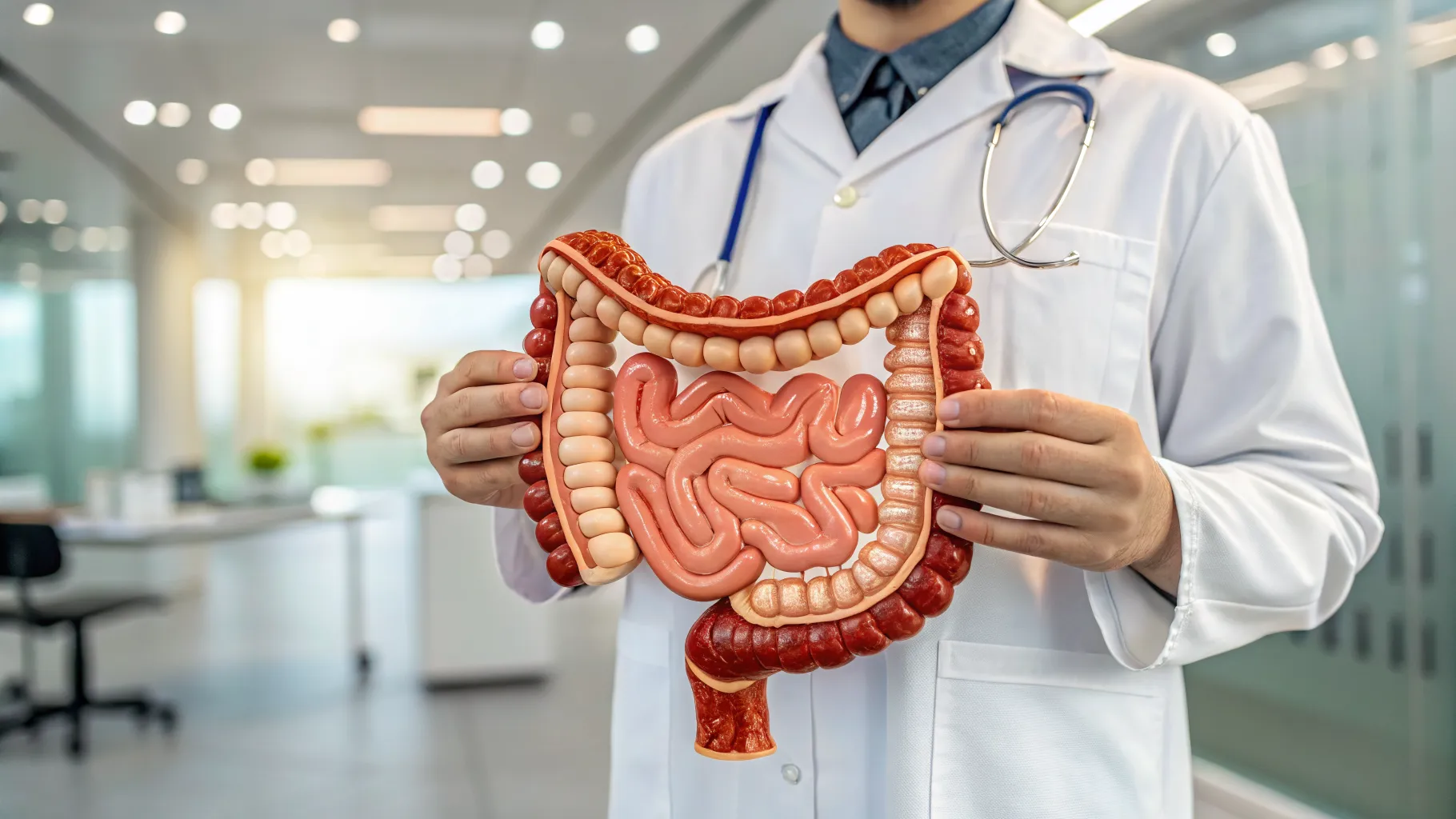
Understanding Colitis and Its Variations
Before a physician can recommend a specific colitis treatment, it is important to understand the exact nature of the condition. Colitis is a broad term that encompasses several different specific diagnoses. The most common forms include ulcerative colitis, which is a type of inflammatory bowel disease, as well as infectious colitis, ischemic colitis, and microscopic colitis.
Each type requires a distinctly different approach to management. For example, infectious colitis might simply require a short course of antibiotics and hydration. In contrast, chronic conditions like ulcerative colitis require a comprehensive, long-term strategy to control inflammation, prevent flare-ups, and heal the colon lining over time.
Initial Diagnosis and Medical Assessment
The foundation of effective colitis management is an accurate and timely diagnosis. Medical professionals typically begin with a thorough medical history and physical examination. They will ask detailed questions about the frequency of symptoms, dietary habits, and any family history of autoimmune or digestive disorders.
To confirm a diagnosis and assess the extent of the inflammation, doctors usually rely on a combination of testing methods. These often include:
- Blood tests to check for anemia or signs of infection.
- Stool samples to rule out parasites or bacterial infections.
- Endoscopic procedures, such as a colonoscopy or flexible sigmoidoscopy, allowing direct visualization of the colon.
- Imaging tests like CT scans or MRIs to view the entire bowel.
Common Medication Categories
For chronic forms of colitis, medication is generally the first line of defense. The primary goal of medical therapy is to reduce the inflammation that triggers signs and symptoms. Achieving this can lead to long-term remission and reduce the risks of complications.
Doctors frequently prescribe anti-inflammatory drugs as the initial step in a colitis treatment plan. Aminosalicylates, also known as 5-ASAs, are commonly used for mild to moderate cases. If these are ineffective, or if the symptoms are more severe from the outset, corticosteroids might be prescribed temporarily to rapidly bring inflammation under control. Because of potential side effects, steroids are rarely used for long-term maintenance.
Biologic Therapies and Immunosuppressants
When standard anti-inflammatory medications fail to keep symptoms in check, medical providers may turn to medications that target the immune system directly. Immunosuppressant drugs work by suppressing the immune response that releases inflammation-inducing chemicals in the intestinal lining.
Biologics represent a more advanced category of colitis treatment options. These medications are genetically engineered proteins that target specific portions of the immune system. They are typically administered via intravenous infusion or subcutaneous injection. Patients on these therapies require regular monitoring by their healthcare team to ensure the medication is working safely and to watch for potential side effects, such as an increased risk of infections.
Dietary Changes and Nutritional Support
While no specific diet is known to cure colitis, dietary modifications play a significant role in comprehensive colitis management. Certain foods and beverages can aggravate symptoms, especially during an active flare-up. Tracking food intake and corresponding symptoms in a journal often helps patients identify their unique personal triggers.
During a flare-up, healthcare providers often recommend a low-residue diet to minimize bowel movements and ease abdominal discomfort. Common dietary advice includes:
- Limiting dairy products if lactose intolerance is suspected.
- Avoiding high-fat foods, which can be difficult to digest.
- Reducing the intake of insoluble fiber, such as raw fruits and vegetables, during active inflammation.
- Eating smaller, more frequent meals rather than large, heavy ones.
- Staying adequately hydrated, particularly if experiencing frequent diarrhea.
Surgical Interventions
In cases where medical and dietary therapies do not provide sufficient relief, or if severe complications arise, surgery may become a necessary part of the ulcerative colitis guide to treatment. Surgery can often eliminate the disease entirely in cases of ulcerative colitis, though it is a major life adjustment.
The most common surgical procedure for severe ulcerative colitis is a proctocolectomy, which involves the removal of the entire colon and rectum. In many modern procedures, surgeons can construct a pouch from the end of the small intestine and attach it directly to the anus. This procedure, known as J-pouch surgery, allows patients to eliminate waste relatively normally without the need for a permanent external ostomy bag. Recovery involves significant physical adaptation, but many patients report a dramatic improvement in their overall quality of life.
Lifestyle Modifications and Ongoing Care
Managing colitis extends beyond the doctor's office and into everyday life. Stress is not a primary cause of inflammatory bowel diseases, but it is widely known to exacerbate symptoms and trigger flare-ups. Incorporating stress management techniques, such as regular mild exercise, meditation, or counseling, can be a highly beneficial component of daily colitis management.
Ongoing medical care is also a critical reality for individuals living with chronic colitis. Regular check-ups help ensure that the current treatment regimen is still optimal. Furthermore, because chronic inflammation increases the risk of colon cancer, patients generally require more frequent screening colonoscopies than the general population. Staying proactive and maintaining open communication with a gastroenterologist ensures the best possible long-term outcomes.