Understanding Egg Freezing Cost and How the Process Works
Facts:
- The average egg freezing cost can range significantly.
- Demand for fertility preservation is trending up for career-focused individuals.
Demystifying the Egg Freezing Cost and the Journey of Fertility Preservation
Considering fertility preservation through egg freezing is a significant decision, often driven by personal, career, or medical factors. Understanding the complete egg freezing process, from initial consultation to long-term storage, is crucial. Equally important is a clear grasp of the associated egg freezing cost, which can vary widely depending on location, clinic, and individual needs. This comprehensive guide aims to illuminate both the intricate steps of the procedure and the financial considerations involved in this vital form of reproductive planning.
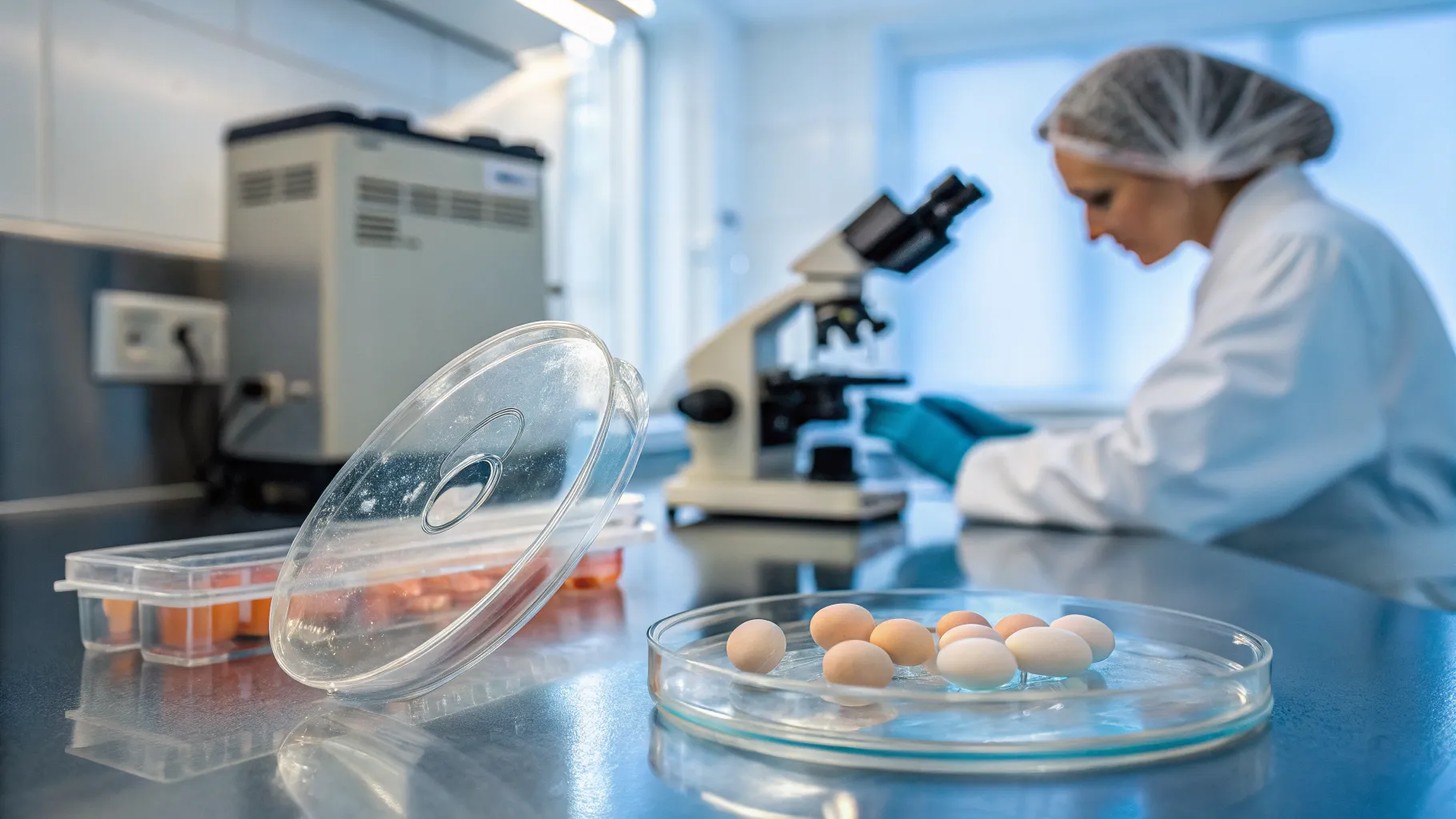
Understanding the Components of Egg Freezing Cost
The total egg freezing cost is not a single, fixed price but rather an aggregate of several distinct components. These can include the initial consultation and diagnostic tests, the expensive hormone medications required for ovarian stimulation, the actual egg retrieval procedure, anesthesia, cryopreservation services, and ongoing annual storage fees. Each of these elements contributes significantly to the overall financial commitment involved in fertility preservation.
Initial Consultation and Screening
Before embarking on the egg freezing process, an initial consultation with a reproductive endocrinologist is mandatory. This typically involves a review of medical history, a physical examination, and a series of diagnostic tests. These tests often include blood work to assess hormone levels (such as AMH, FSH, and estradiol), viral screenings, and transvaginal ultrasounds to evaluate ovarian reserve and uterine health. The fees for these preliminary assessments, doctor's time, and laboratory analyses form the foundational part of the egg freezing cost.
Ovarian Stimulation Medications
One of the most substantial line items in the egg freezing cost is the price of the ovarian stimulation medications. These are injectable hormones designed to stimulate the ovaries to produce multiple mature eggs in a single cycle, rather than the typical one. Medications like gonadotropins, GnRH agonists, and GnRH antagonists are critical for the success of the egg freezing process. Their cost can range significantly, often thousands of dollars, depending on the dosage and duration required for each individual's response to treatment.
Egg Retrieval Procedure and Anesthesia
The egg retrieval itself is a minor surgical procedure, typically performed under light sedation or general anesthesia. This aspect of the egg freezing process incurs costs related to the operating facility's use, the anesthesiologist's fees, and the reproductive specialist's professional fee for performing the retrieval. While minimally invasive, it requires a specialized environment and expert medical personnel, adding another layer to the overall cost of egg freezing.
Cryopreservation and Annual Storage Fees
Following retrieval, the viable eggs undergo vitrification, a rapid freezing technique crucial for their survival. This cryopreservation service, along with the subsequent long-term storage in specialized cryogenic tanks, contributes to the egg freezing cost. Beyond the initial freezing fee, there are ongoing annual storage fees. These fees are a recurring expense that must be considered for as long as the eggs are stored, which could be for many years, making the long-term cost of egg freezing an important planning factor.
Navigating the Egg Freezing Process: A Step-by-Step Guide
The egg freezing process is a carefully orchestrated series of medical interventions designed to safely retrieve and preserve a woman's eggs for future use. It involves several distinct stages, each requiring meticulous monitoring and personalized care to optimize outcomes for fertility preservation.
Consultation and Pre-Cycle Testing
The journey begins with an in-depth consultation with a fertility specialist. During this stage, your medical history is reviewed, and various diagnostic tests are performed. These tests, including blood work to assess hormone levels (e.g., Anti-Müllerian Hormone, FSH) and ultrasound evaluations, help determine your ovarian reserve and overall suitability for the egg freezing procedure. This initial assessment is critical for personalizing your treatment plan.
Ovarian Stimulation
Once a treatment plan is established, you will begin the ovarian stimulation phase. This involves daily self-administered hormone injections over approximately 8-14 days. These medications stimulate the ovaries to produce multiple follicles, each potentially containing an egg. Throughout this period, you will have frequent monitoring appointments involving blood tests and ultrasounds to track follicle growth and hormone levels, allowing the medical team to adjust medication dosages as needed to ensure optimal egg development.
Egg Retrieval
When the follicles reach an optimal size, a 'trigger shot' is administered to induce final egg maturation. Approximately 36 hours later, the egg retrieval procedure takes place. This is a short, outpatient surgical procedure performed under sedation. A thin needle, guided by ultrasound, is passed through the vaginal wall into the ovaries to gently aspirate the fluid from the follicles, collecting the eggs. This step is a critical part of the egg freezing process and typically lasts about 15-30 minutes.
Vitrification (Freezing)
Immediately after retrieval, the collected eggs are evaluated by embryologists. Mature eggs are then prepared for vitrification, a highly advanced rapid freezing technique. Vitrification minimizes ice crystal formation, which can damage cells, thereby preserving the eggs' viability significantly better than older slow-freezing methods. This method ensures that the eggs maintain their quality during storage, ready for future fertilization.
Storage and Future Use
Once vitrified, the eggs are stored in specialized cryogenic tanks at ultra-low temperatures, typically in liquid nitrogen. They can remain stored indefinitely without significant degradation in quality. When you are ready to attempt pregnancy, the eggs will be thawed, fertilized with sperm (via IVF), and the resulting embryos transferred to the uterus. The decision to thaw and use the eggs can be made years later, offering significant flexibility in family planning as part of fertility preservation.
Factors Influencing Fertility Preservation Outcomes and Cost
Several variables can significantly impact both the success rates and the overall egg freezing cost. Age is a primary factor; younger women generally yield more eggs per cycle and have higher success rates, potentially requiring fewer cycles. Clinic choice also plays a substantial role, as pricing structures and included services can vary widely between facilities. The number of cycles needed to retrieve an adequate number of eggs is another major determinant of the total cost of egg freezing.
Comparing different options for fertility preservation often involves weighing the advantages of various clinics, their pricing models, and geographic location. For instance, large academic medical centers might offer comprehensive services and cutting-edge research, but sometimes at a higher egg freezing cost. Private fertility clinics may offer more personalized care or specific package deals, which could affect the overall investment. Furthermore, the geographical location can significantly influence pricing, with urban centers and high-demand areas typically having a higher cost of egg freezing. Insurance coverage for fertility treatment is also a critical consideration; while full coverage is rare, some plans may cover diagnostic tests or certain medications, reducing the out-of-pocket expenses for the initial phases of the egg freezing process. It's vital to research and compare these aspects thoroughly to make an informed decision that aligns with both your reproductive goals and financial capacity.
Financial Planning for Egg Freezing
Managing the significant egg freezing cost requires careful financial planning. Exploring all available options can help make the egg freezing procedure more accessible.
- Research Insurance Coverage: Thoroughly investigate whether your health insurance plan offers any benefits for fertility preservation or diagnostic testing related to the egg freezing process. Coverage can vary widely, with some plans offering partial or full coverage for specific aspects.
- Clinic Package Deals: Many fertility clinics offer bundled packages that include multiple cycles, medication, and storage fees at a potentially reduced overall egg freezing cost compared to paying for each service individually. Inquire about these options during your consultation.
- Payment Plans: Discuss potential payment plans directly with your fertility clinic. Many providers understand the financial burden and offer installment options or collaborate with third-party medical financing companies to help spread out the cost of egg freezing.
- Employer Benefits: A growing number of companies, particularly in tech and finance, are offering fertility benefits as part of their employee wellness programs. These benefits can include significant subsidies or full coverage for the egg freezing procedure, substantially reducing your out-of-pocket expenses.
- Grants and Loans: Explore non-profit organizations that offer grants or low-interest loans specifically for fertility treatment. These resources can be invaluable for individuals who meet specific eligibility criteria and are seeking assistance with the egg freezing cost.
Who Should Consider the Egg Freezing Procedure?
The decision to undergo the egg freezing procedure is highly personal and often driven by a combination of life circumstances, health considerations, and future aspirations. It represents a proactive step in fertility preservation, offering a sense of control over one's reproductive timeline.
Women Delaying Childbearing
Many women choose to freeze their eggs because they are not yet ready to have children but want to preserve their fertility for the future. This could be due to pursuing educational goals, establishing a career, waiting for the right partner, or simply not feeling emotionally ready for parenthood. As female fertility naturally declines with age, freezing eggs at a younger age offers a higher chance of success when they are eventually used.
Medical Reasons for Fertility Preservation
For individuals facing medical treatments that could compromise their fertility, such as chemotherapy, radiation therapy, or certain surgeries (e.g., for endometriosis or ovarian cysts), egg freezing provides a vital option for fertility preservation. This proactive measure ensures that they have viable eggs available for future use after their medical treatment is complete, offering hope amidst challenging health circumstances.
Career or Personal Goals
Beyond medical necessity, personal and professional ambitions frequently lead women to consider the egg freezing process. Demanding career paths, extensive travel, or a desire to achieve specific personal milestones before starting a family can make postponing childbearing a preferred choice. Egg freezing offers the assurance that these pursuits do not necessarily mean sacrificing the dream of biological children, providing flexibility and peace of mind.
Frequently Asked Questions
How long can eggs be stored after the egg freezing process?
Eggs can be safely stored indefinitely, but studies show high viability for up to ten years or more. The long-term cost of egg freezing must be factored in for extended storage periods.
Is the egg freezing procedure painful?
The egg retrieval procedure is performed under sedation, so you won't feel pain during it. Some women experience mild cramping or discomfort for a day or two afterward, similar to menstrual cramps. Clinics provide pain management advice for the recovery phase of the egg freezing process.
References
- American Society for Reproductive Medicine
- Resolve: The National Infertility Association
- Fertility and Sterility Journal
- Human Reproduction Journal