Early Signs of Heart Valve Issues for Better Health
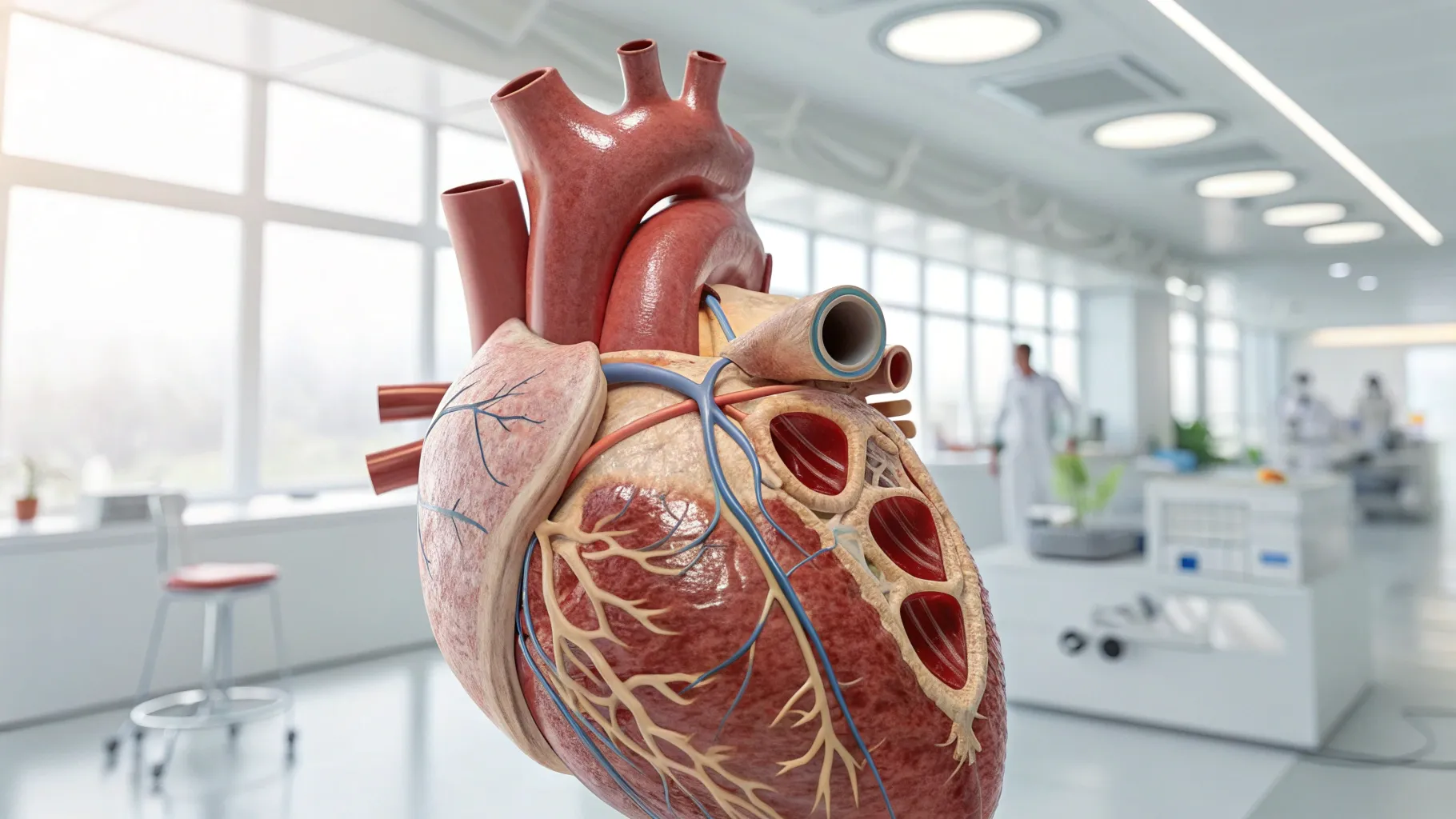
Understanding Early Signs of Heart Valve Issues
In 2025, taking care of heart health is more important than ever, especially for seniors navigating the complexities of aging. While many focus on overall heart health, heart valve issues are often overlooked but play a vital role in maintaining cardiovascular wellness. By recognizing the early signs of heart valve problems, individuals can seek timely interventions that enhance health outcomes. This awareness is particularly critical for seniors and their caregivers, who must remain vigilant.
Common Heart Valve Changes in Older Adults
The heart operates with four valves that control blood flow, pushing it efficiently throughout the body. As we grow older, these valves may undergo various physical changes, including thickening and calcifying, which can significantly hinder blood flow. Statistics from the Heart Health Association indicate that around 2.5% of adults over 75 experience severe valve issues that require medical attention. Being aware of these changes can make a substantial difference in managing health effectively.
To understand how aging affects the heart, consider the four main valve issues:
- Aortic Stenosis: This occurs when the aortic valve narrows, resulting in the heart working harder to push blood through.
- Mitral Valve Prolapse: In this condition, the mitral valve does not close completely, allowing blood to flow backward into the heart.
- Heart Murmurs: These unusual heart sounds can indicate turbulent blood flow and may signal serious health concerns that need to be addressed.
Many heart valve conditions can develop subtly, often going unnoticed until they become severe. This underscores the need for proactive monitoring of heart health signals, particularly among older adults.
Recognizing Early Warning Signs of Heart Valve Issues
One of the most common early symptoms of heart valve problems is shortness of breath. Current studies reported by the American Heart Association reveal that approximately 40% of seniors who report experiencing shortness of breath may indeed have underlying heart valve dysfunction. This symptom can manifest during routine activities, such as walking up stairs or, in more concerning cases, while at rest, signaling that the heart may be struggling to pump adequately.
Another significant indicator is the occurrence of heart murmurs. While many murmurs are harmless, others can signal severe underlying conditions that require medical evaluation. General practitioners often listen for these sounds using stethoscopes; if a murmur is detected, additional diagnostic tests such as echocardiograms become essential to evaluate the functionality of the heart valves.
Other Essential Signs to Monitor
Vigilance regarding additional symptoms can greatly enhance early detection of heart valve issues. Individuals should watch for the following signs:
- Fatigue: Chronic feelings of exhaustion, disproportionate to usual activity levels, may indicate inefficient heart function.
- Swelling in the Legs or Abdomen: Unexplained swelling could point to fluid buildup due to poor circulation, a red flag for heart concerns.
- Chest Pain: While often linked to heart attacks, persistent chest discomfort may also result from valve-related issues, especially when exerting oneself.
Being aware of these warning signs allows individuals to take action regarding their health. Should anyone experience these symptoms, consulting a healthcare professional promptly for further evaluation becomes critical.
Heart Health Tips for Seniors: A Holistic Approach
To promote optimal heart health, especially in seniors, adopting some preventive measures against potential valve issues is essential. Here are practical suggestions to boost heart wellness:
- Stay Active: Regular physical activity maintains cardiovascular health. Health experts recommend 150 minutes of moderate aerobic activity weekly, which can include enjoyable activities like walking, swimming, or cycling.
- Choose a Heart-Healthy Diet: Eating a nutritious diet rich in fruits, vegetables, whole grains, and lean proteins can substantially benefit heart health. Reducing saturation and sodium intake is critical to maintain healthy blood pressure and cholesterol levels.
- Regular Medical Check-ups: Regular visits to healthcare providers are essential for monitoring heart health. During these check-ups, it is vital to report any new or concerning symptoms.
- Practice Stress Management: Chronic stress can have detrimental effects on heart health. Techniques like meditation, yoga, or even simply walking in nature can help reduce stress levels significantly.
- Avoid Smoking: Smoking remains a major risk factor for heart disease and can worsen existing valve issues. Seeking support to quit smoking can lead to significant improvements in heart health.
Incorporating these heart-healthy practices not only improves overall cardiovascular function but also significantly reduces the risk of developing heart valve issues as one ages.
As 2025 unfolds, it is imperative for seniors to understand that being proactive about heart health can dramatically affect their quality of life. Recognizing and promptly addressing heart valve changes can lead to multiple options for enhanced health outcomes. The critical takeaway is that seniors, along with their loved ones, need to grasp the importance of understanding heart valve issues and the early signs associated with them. By remaining proactive with heart health, scheduling regular check-ups, and adopting a healthy lifestyle, individuals can take significant steps towards managing their cardiovascular well-being.