Crucial Warning Signs of a Leaky Heart Valve
The heart has four valves that act like one-way doors, ensuring blood flows in the correct direction through its chambers. When one of these valves doesn't close tightly, blood can leak backward, a condition known as heart valve regurgitation. While mild cases may not cause noticeable issues, more significant leaks can strain the heart and lead to serious complications if left unaddressed. Recognizing the warning signs is the first step toward getting a proper diagnosis and care.
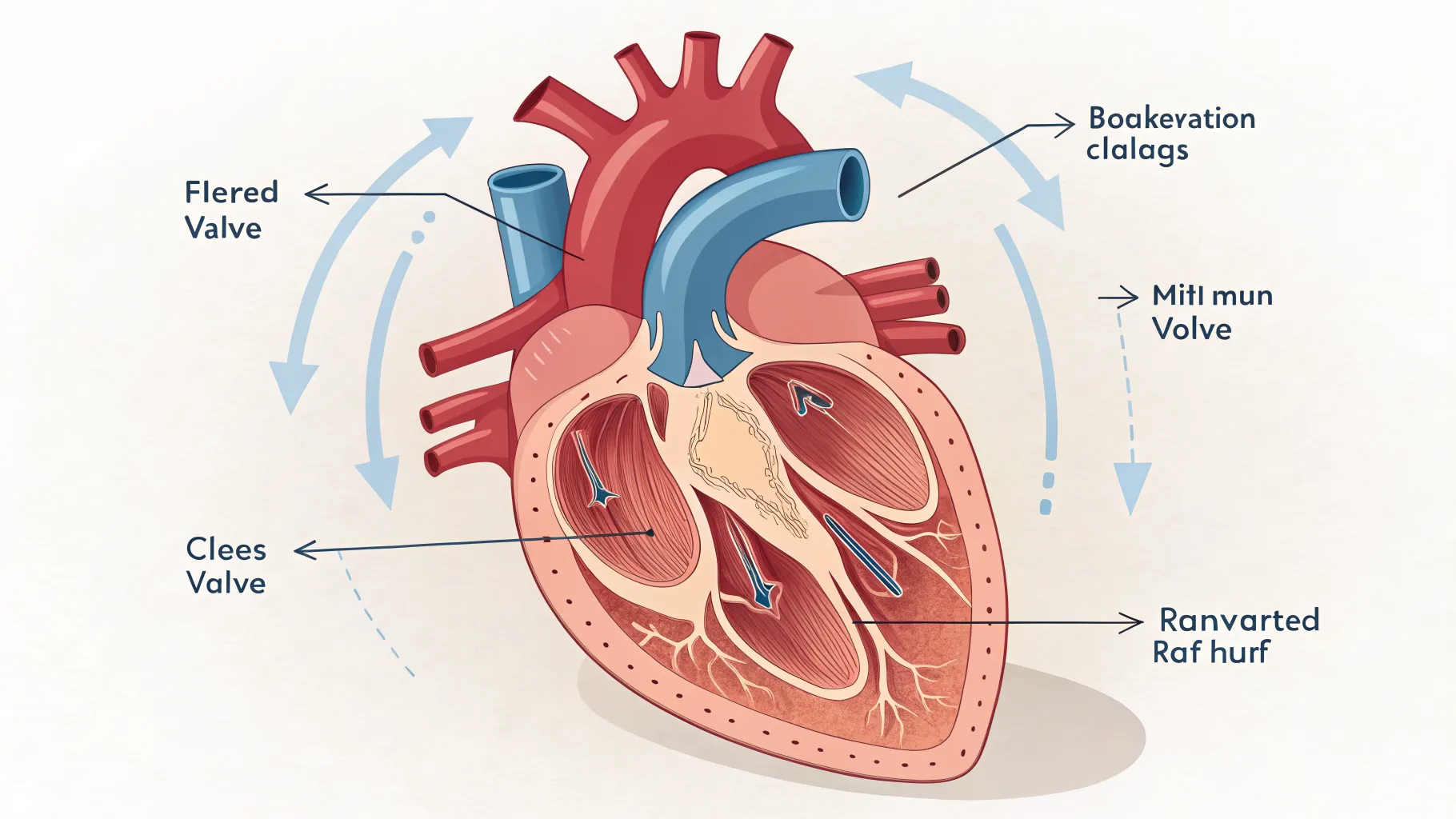
What is Valvular Heart Disease?
Valvular heart disease occurs when any of the heart's four valves (mitral, tricuspid, aortic, or pulmonary) are damaged or diseased. In the case of a leaky valve, the valve flaps, or leaflets, do not seal completely. This allows a backflow of blood, forcing the heart to work harder to pump the same amount of blood forward to the rest of the body.
This extra workload can cause the heart muscle to thicken or the chambers to enlarge over time. The condition can develop suddenly or over many years, and its causes range from congenital defects and age-related changes to infections and other heart conditions. The severity of the leak determines the extent of the symptoms and the impact on your overall health.
Shortness of Breath and Persistent Fatigue
Two of the most common indicators of a leaky heart valve are shortness of breath (dyspnea) and unusual fatigue. You might notice difficulty breathing during physical activity, when you're lying flat, or even when you wake up at night. This happens because the backward flow of blood can cause fluid to back up into the lungs, making it harder to breathe.
Similarly, chronic fatigue that doesn't improve with rest is a significant red flag. When the heart has to work harder to circulate blood, less oxygenated blood reaches your muscles and organs. This inefficiency can leave you feeling constantly tired, weak, and unable to perform daily activities without feeling exhausted.
Heart Palpitations or an Irregular Heartbeat
The sensation of a fluttering, pounding, or racing heart, known as palpitations, can be a sign of a leaky heart valve. The heart may beat irregularly to compensate for the inefficient blood flow caused by the regurgitation. These sensations can feel unsettling and may occur at any time, whether you are active or at rest.
During a physical exam, a doctor might detect a heart murmur, which is an unusual 'whooshing' sound heard between heartbeats. While not all murmurs are a sign of disease, they are often the first clue that a valve may not be functioning correctly. The murmur is the sound of turbulent blood flowing backward through the leaky valve.
Swelling in the Lower Body and Abdomen
When the heart's pumping action is compromised, it can affect circulation throughout the body, leading to fluid retention, a condition called edema. A leaky valve, particularly on the right side of the heart (the tricuspid valve), can cause blood to back up in the veins. This pressure forces fluid out of the blood vessels and into surrounding tissues.
This fluid buildup most commonly appears as swelling in the legs, ankles, and feet. In more advanced cases, you might also notice swelling in the abdomen (ascites) or experience sudden weight gain due to the retained fluid. This swelling may worsen throughout the day and improve after a night of rest with your legs elevated.
Dizziness, Lightheadedness, or Fainting
Feeling dizzy, lightheaded, or even fainting (syncope) can be a particularly concerning symptom of a leaky heart valve. These symptoms occur when the heart cannot pump enough oxygen-rich blood to the brain. This might happen during physical exertion, when changing positions too quickly, or sometimes with no apparent trigger.
Because reduced blood flow to the brain can have serious implications, experiencing these symptoms warrants immediate medical evaluation. It often suggests that the valvular regurgitation has become significant enough to impact the body's overall blood supply, and it's a critical sign that should not be ignored.
When to Consult a Healthcare Professional
If you experience any of the symptoms discussed, it is important to speak with a healthcare provider. These signs are not exclusive to a leaky heart valve and can be related to other conditions, so a professional diagnosis is essential. Your doctor will likely listen to your heart for a murmur and may recommend further tests.
The most common diagnostic tool for valvular heart disease is an echocardiogram. This non-invasive ultrasound test creates a detailed image of your heart's chambers and valves, allowing doctors to see how they are functioning and measure the severity of any leak. Early detection and monitoring are key to managing the condition and preventing more serious complications.