A Comprehensive Guide to Computer Basics Classes in 2026
Facts:
- Digital literacy is now a fundamental life skill.
- Enrollment in digital literacy classes for adults has increased by 35%.
Why Enrolling in Computer Basics Classes is a Smart Move Today
In our increasingly digital world, possessing fundamental computer knowledge is no longer a luxury but a necessity. From banking and shopping to connecting with loved ones, technology is woven into the fabric of daily life. This is why computer basics classes are more valuable than ever, offering a structured path for anyone looking to bridge the digital divide. Whether you are seeking basic computer classes for retirees or simply want to sharpen your abilities, these courses provide the confidence and skills needed to navigate the online world safely and effectively. By deciding to learn computer skills, you are investing in your personal and professional growth, opening doors to new opportunities and a greater sense of independence.
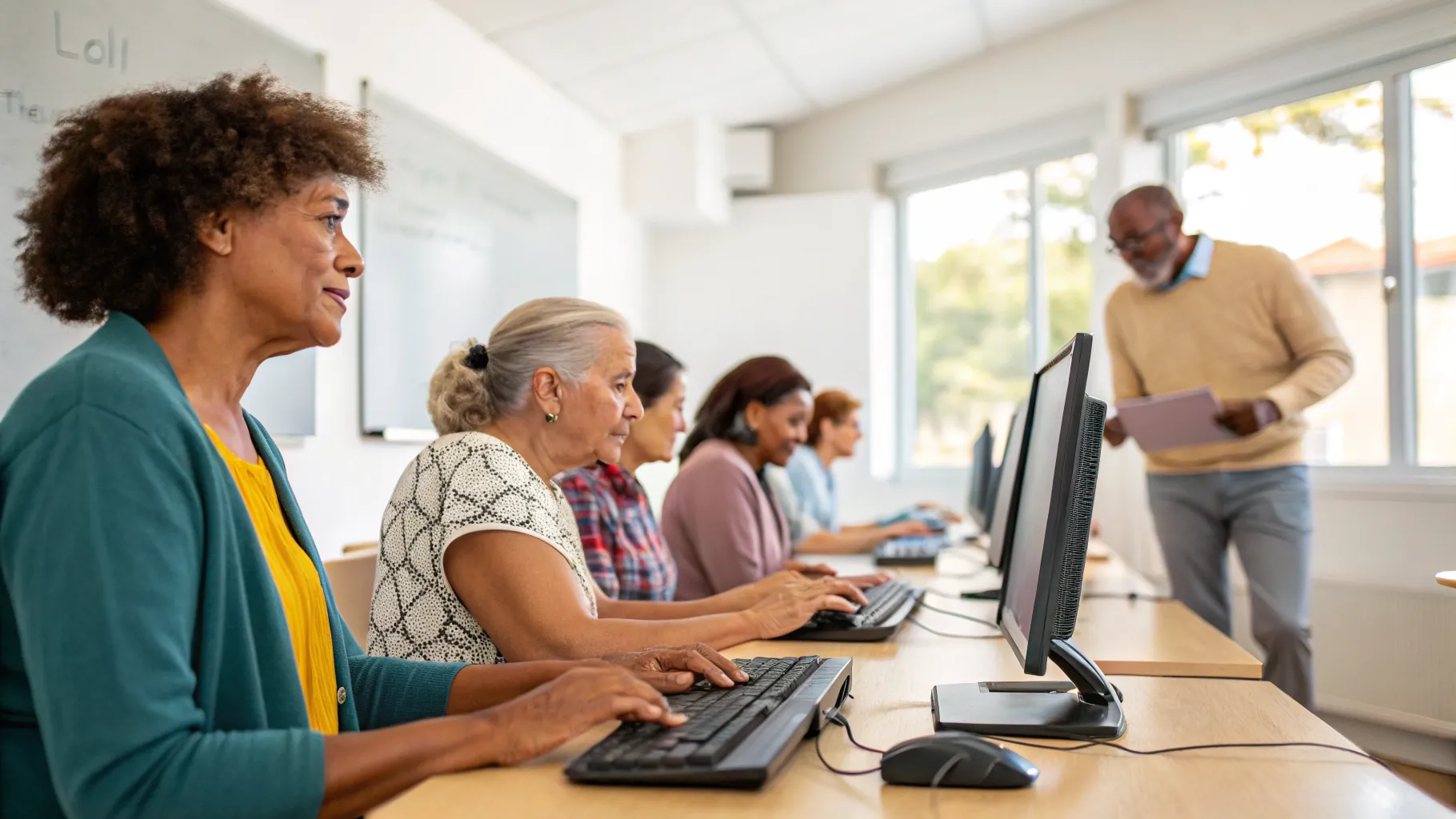
What Core Skills Will You Learn in Digital Literacy Classes?
When you enroll in computer basics classes, you can expect a curriculum designed to take you from a novice to a confident user. These courses typically start from the very beginning, ensuring no one is left behind. You'll begin by learning the physical components of a computer, how to use a mouse and keyboard, and understanding the operating system's basic functions. As the course progresses, the focus shifts to more practical applications. A significant portion of any digital literacy classes is dedicated to internet navigation, teaching you how to use search engines effectively, browse websites securely, and identify credible information. Furthermore, communication is a key module where you'll master sending and receiving emails, attaching files, and perhaps even using video call software to connect with family and friends. These foundational pillars ensure you have the comprehensive skills needed for modern life.
Finding the Right Program: Comparing Computer Classes for Seniors
The search for the perfect course can seem daunting, but there are many options tailored to different needs, especially when looking for computer classes for seniors. Local community centers and libraries are fantastic resources, often providing free or low-cost in-person workshops. These settings offer a supportive, social environment where you can learn alongside peers. Another popular option is private training companies that offer more specialized, in-depth curriculums. For those who prefer learning from home, online platforms provide a vast array of self-paced computer basics classes. When comparing these, consider the teaching style, class size, and curriculum content. It's crucial to find a program that matches your learning pace and specific goals, whether it's learning to use social media or managing digital photos. Many find that basic computer classes for retirees offer a more patient and accommodating structure, making the learning process more enjoyable and less intimidating.
The Tangible Benefits of Learning Computer Skills Later in Life
The advantages of taking basic computer classes for retirees extend far beyond just knowing how to use a computer. Acquiring these new abilities can profoundly impact one's quality of life. The most immediate benefit is enhanced connection with family and friends through email, social media, and video calls, reducing feelings of isolation. Another significant advantage is increased access to information and services; from online banking and telehealth appointments to grocery delivery, digital literacy empowers seniors to manage their lives with greater independence and convenience. Moreover, the process to learn computer skills is an excellent way to keep the mind active and engaged, promoting cognitive health. It opens up a world of hobbies, from online games and streaming services to digital photography and genealogy research. Ultimately, these classes foster a sense of accomplishment and confidence in a world that is constantly evolving.
Essential Topics Covered in a Standard Computer Basics Course
To give you a clearer picture, most foundational courses are built around a few key areas to ensure you have a well-rounded skill set. Understanding these will help you choose the right program.
- Operating System Navigation: This is the groundwork. You will learn how to manage files and folders, change settings, and understand the desktop or home screen on Windows, macOS, or ChromeOS. This is a core component of all computer basics classes.
- Internet and Web Browsing: This module focuses on how to connect to the internet, use web browsers like Chrome or Safari, use search engines like Google effectively, and bookmark your favorite websites for easy access. Safety is a huge part of this, covering how to spot scams.
- Email Communication: A vital skill for modern life. You'll learn to set up an email account, compose, send, receive, and organize emails. This is a practical skill often emphasized in computer classes for seniors.
- Word Processing Fundamentals: You will be introduced to software like Microsoft Word or Google Docs to create, edit, and format simple text documents. This is an essential step to learn computer skills for personal or professional use.
- Online Safety and Security: Perhaps the most critical topic, these digital literacy classes teach you how to create strong passwords, recognize phishing scams, protect your personal information, and use privacy settings on social media.
Frequently Asked Questions
Are computer basics classes difficult for someone with no experience?
Not at all. These courses are specifically designed for absolute beginners. Instructors in basic computer classes for retirees and other introductory programs are trained to be patient and use non-technical language to explain concepts clearly, starting from the very beginning, like how to turn on the computer.
How long does it take to learn computer skills?
The duration varies depending on the course. Some workshops are a single day, while others might be a series of weekly classes spanning a month or two. The goal of most introductory computer classes for seniors is to provide a solid foundation in about 10-20 hours of instruction, which you can then build upon.
What is the difference between computer basics and digital literacy classes?
The terms are often used interchangeably. However, 'computer basics' usually refers to the practical skills of using a computer and software. 'Digital literacy' is a broader concept that includes those skills plus the ability to find, evaluate, and communicate information using digital technologies critically and safely.
References
- National Institute on Aging - Technology and Aging Report
- Pew Research Center - Technology Adoption by Older Adults
- Digital Literacy Task Force - Annual Report
- Community College Technology Curriculum Standards