Your Ultimate Guide to Finding the Best Computer Basics Classes
Facts:
- Over 85% of jobs now require some level of digital literacy.
- A growing trend for 2026 is micro-learning for digital skills classes.
Why Basic Computer Training is More Important Than Ever
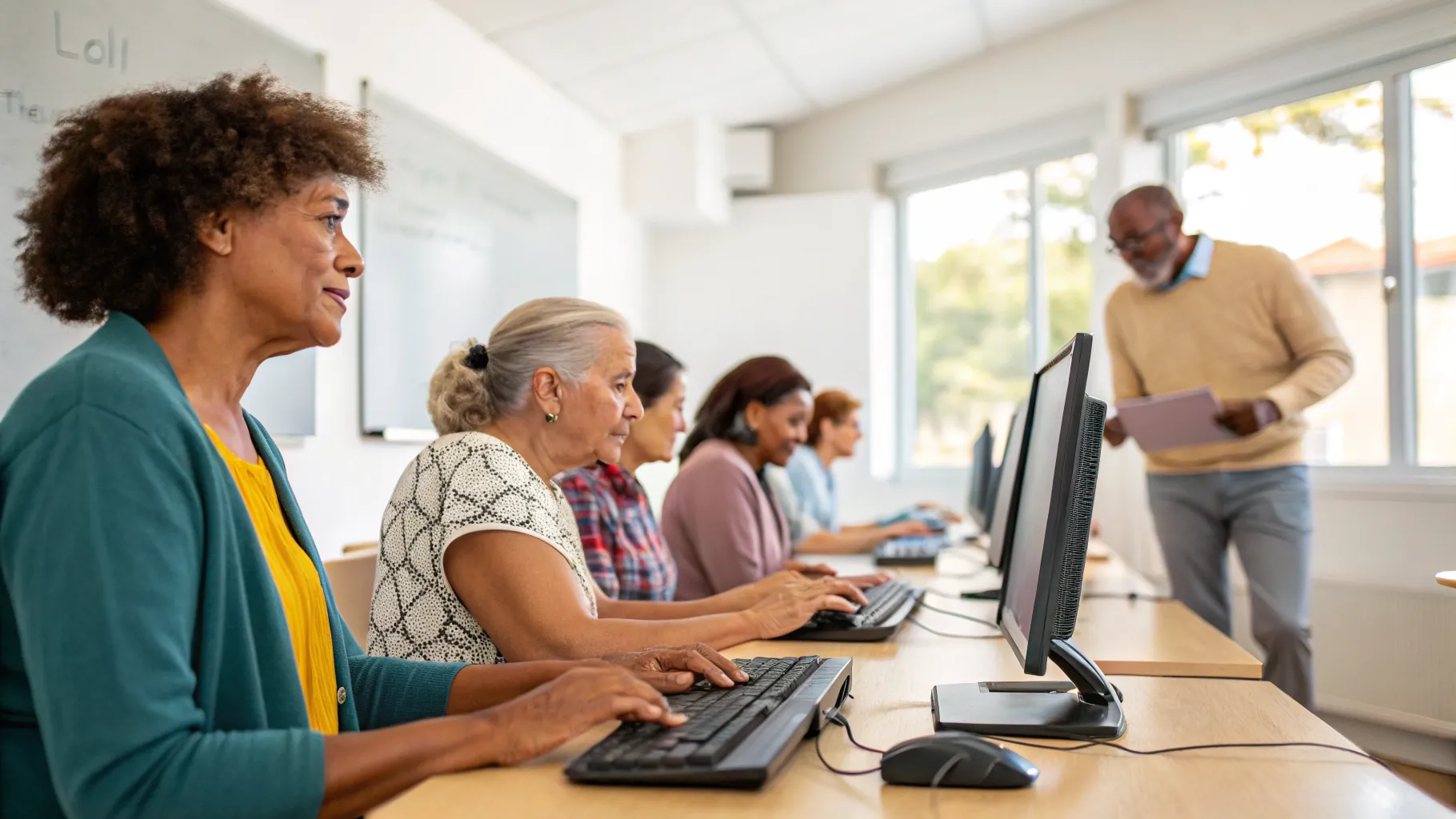
In today's digitally-driven world, foundational computer knowledge is no longer a luxury—it's a necessity. From applying for jobs and managing finances to connecting with loved ones, digital competency is crucial. This is where computer basics classes come in, offering structured learning paths for anyone looking to get started or brush up on their skills. Whether you're an absolute beginner or just need to fill some gaps in your knowledge, enrolling in digital skills classes is the first step towards building confidence and unlocking new opportunities in both your personal and professional life. These courses are specifically designed to demystify technology and provide a supportive environment for learning.
What to Expect from an Introduction to Computers Course
When you sign up for an introduction to computers course, you are embarking on a journey to understand the fundamental building blocks of modern technology. These courses typically start from the very beginning, ensuring no one is left behind. You'll learn to identify the core components of a computer, such as the CPU, RAM, and hard drive, and understand their functions. The curriculum then progresses to software, explaining the difference between the operating system (like Windows or macOS) and application programs (like web browsers or word processors). A significant portion of these beginner computer lessons is dedicated to navigating the operating system, teaching you how to manage files and folders, customize settings, and keep your computer secure and organized. The goal is to make you comfortable and self-sufficient with the essential operations of a personal computer.
Choosing Your Learning Style: Online vs. In-Person Classes
One of the first decisions you'll make is choosing the format for your basic computer training. In-person classes offer the benefit of direct, face-to-face interaction with instructors and peers. This can be incredibly valuable for those who learn best through hands-on guidance and have immediate questions. Conversely, online computer basics classes provide unparalleled flexibility, allowing you to learn at your own pace and from the comfort of your home. These online courses often use a mix of video tutorials, interactive exercises, and digital resources. When deciding, consider your learning preference, schedule, and technical comfort. If you thrive in a structured, social environment, in-person might be best. If you need to fit learning around other commitments, an online format for digital skills classes could be the ideal solution.
Core Skills Covered in Beginner Computer Lessons
While course specifics can vary, most high-quality beginner computer lessons cover a standard set of essential topics designed to build a strong foundation. You will almost certainly learn about internet basics, including how to use web browsers effectively, search for information using search engines, and understand the fundamentals of online safety and privacy. Email communication is another cornerstone, covering how to create and manage an email account, send and receive messages, and handle attachments. Additionally, many courses provide an introduction to computers and productivity software, such as word processing for creating documents, and sometimes a brief overview of spreadsheets for basic data organization. The aim of these digital skills classes is to equip you with the practical skills needed for everyday tasks.
How to Select the Perfect Basic Computer Training Program
Finding the right basic computer training program requires a bit of research. Start by identifying your specific goals. Do you want to learn for a new job, a hobby, or simply to keep up with technology? Look for courses that align with these objectives. Check the course curriculum in detail to ensure it covers the topics you're most interested in. Reading reviews from past students can provide valuable insight into the quality of instruction and the learning environment. Also, consider the instructor's qualifications and the level of support offered. Some programs provide one-on-one help or community forums, which can be a great resource. Finally, compare the costs and schedules of different computer basics classes to find one that fits your budget and lifestyle.
Actionable Advice for Getting the Most Out of Your Classes
To truly succeed in your training, active participation is key. Don't just attend the classes; engage with the material and apply what you learn. Here are some tips to maximize your educational investment:
- Practice Consistently: Set aside time each week outside of class to practice the skills you've learned. Repetition is crucial for building muscle memory and confidence.
- Ask Questions: Never hesitate to ask your instructor for clarification. If you're struggling with a concept, chances are someone else is too. Your questions contribute to a better learning environment for everyone.
- Apply Skills to Real-Life Tasks: Use your new knowledge for practical purposes. Type a letter to a friend, create a simple budget in a spreadsheet, or research a topic you're passionate about online. Applying skills reinforces learning.
- Stay Patient and Persistent: Learning something new takes time. Celebrate small victories and don't get discouraged by challenges. Every expert was once a beginner, and consistent effort is the key to mastering any basic computer training.
Frequently Asked Questions
How much do computer basics classes typically cost?
The cost can vary widely. Community centers and libraries often offer free or low-cost workshops. Private training institutions and online platforms may charge anywhere from a small monthly subscription to several hundred dollars for a comprehensive course.
Are there free beginner computer lessons available online?
Yes, absolutely. Many reputable websites and non-profit organizations offer high-quality free tutorials and full courses. Platforms like YouTube, GCFLearnFree.org, and Khan Academy are excellent resources for starting your journey with digital skills classes at no cost.
How long does it take to complete basic computer training?
The duration depends on the course's depth and your learning pace. A short introductory workshop might last a few hours, while a comprehensive course could span several weeks with a few hours of instruction per week. Self-paced online courses offer the most flexibility.
References
- Digital Literacy and Workforce Development Report
- National Center for Education Statistics
- Journal of Adult and Continuing Education
- Pew Research Center: Technology and Internet Use