A Comprehensive Guide to Craft and Sewing Classes
Exploring the world of textiles and handmade items offers a rewarding way to develop new skills. Finding the right educational setting is a great first step for anyone looking to understand fabric arts, as structured learning environments provide the tools and guidance needed to succeed.
Understanding the Variety of Craft and Sewing Classes
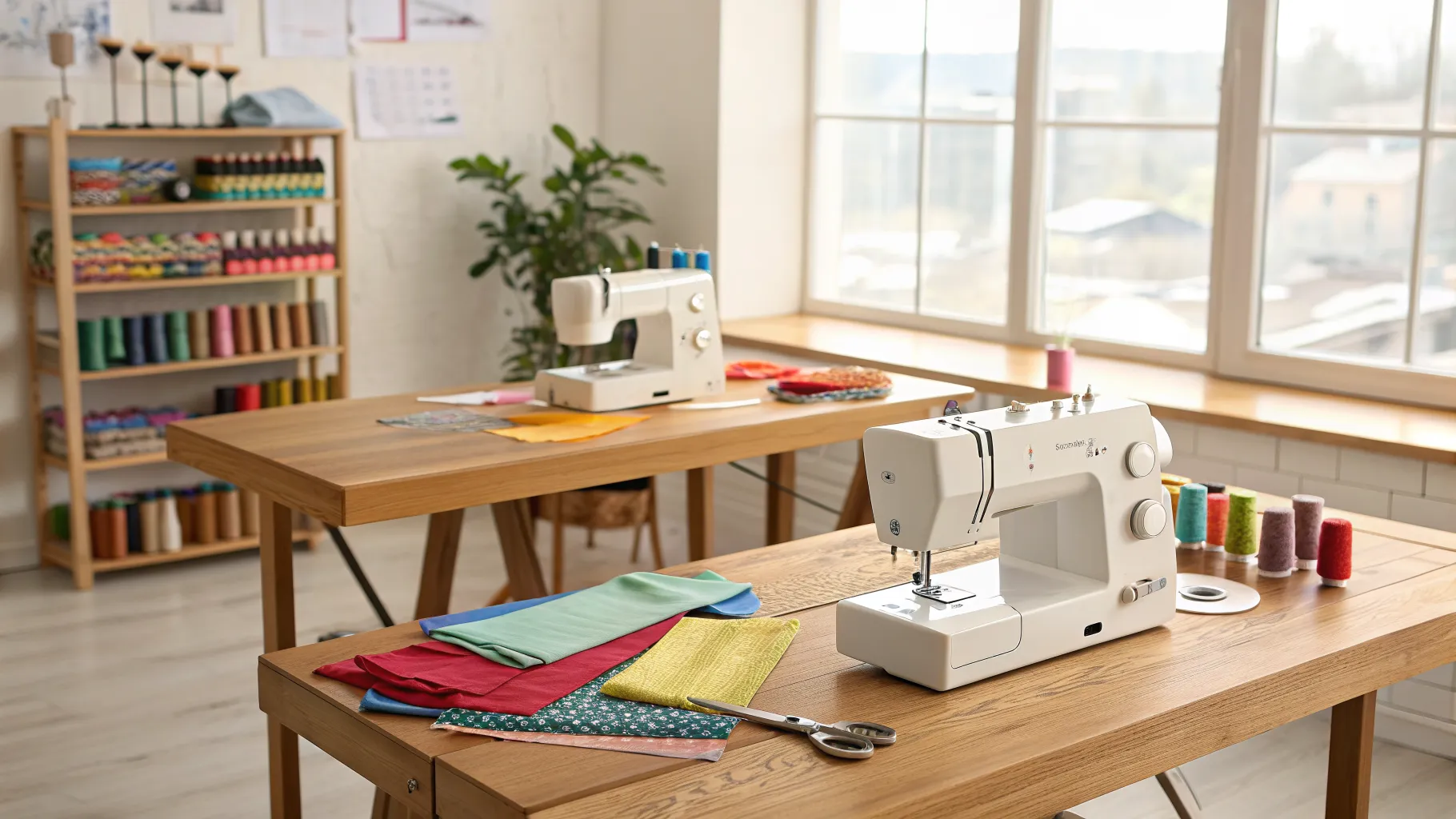
Craft sewing classes come in many formats, catering to a wide range of interests and skill levels. Some focus strictly on machine operation, while others emphasize hand stitching, embroidery, or mixed media textile arts. The curriculum usually depends on the studio or instructor hosting the session, meaning that prospective students have numerous creative avenues to explore.
When looking at available options, students will typically find both single-day creative workshops sewing specific items and comprehensive multi-week courses. Short workshops are excellent for getting a taste of a new hobby without a massive time commitment, whereas longer courses provide a structured environment to master complex techniques and complete larger projects.
What to Expect in Sewing Classes for Beginners
Anyone looking to learn sewing basics will find that introductory sessions move at a comfortable, step-by-step pace. Instructors usually start by teaching students how to thread a sewing machine, wind a bobbin, and achieve the correct thread tension. These fundamental skills are essential before moving on to actual fabric construction, as a poorly threaded machine will cause continuous frustration.
Sewing classes beginners typically focus on straightforward, straight-line projects to build confidence and muscle memory. Common first-time creations include tote bags, simple aprons, or envelope-style pillowcases. These introductory projects teach essential concepts like seam allowances, pinning, and basic pressing techniques without overwhelming the student with complicated patterns.
Exploring Specialized DIY Craft Classes
Once the foundational skills are established, many crafters choose to branch out into more specialized DIY craft classes. These intermediate and advanced sessions dive into specific niches such as quilting, garment construction, and tailored alterations. Students learn how to read commercial patterns, adjust measurements for a custom fit, and select appropriate fabrics for different drapes and structures.
There is also a growing trend toward sustainable crafting and upcycling within these specialized workshops. Participants might learn how to repair old clothing, transform thrifted garments into modern pieces, or use fabric scraps to create intricate patchwork designs. This approach not only builds advanced technical skills but also encourages mindful consumption and waste reduction in the textile world.
Where to Find Creative Workshops in Your Area
Locating craft sewing classes requires looking into a few different community resources. Local fabric shops and independent craft stores are frequently the best places to start, as they often host guest instructors or employ knowledgeable staff who teach after hours. Community centers and local library branches also frequently organize affordable craft sessions for residents.
In addition to brick-and-mortar retail stores, community colleges often offer non-credit adult education courses in apparel design, basic tailoring, and upholstery. Checking community bulletin boards, local social media groups, and neighborhood newsletters can also reveal independent artisans hosting private workshops or small group lessons in their own home studios.
The Benefits of Learning in a Group Setting
Taking a class in person offers distinct advantages over trying to learn independently through video tutorials or books. The most significant benefit is the availability of real-time feedback. An experienced instructor can immediately spot and correct posture issues, improper machine threading, or incorrect cutting techniques before they become ingrained habits that are difficult to break.
Additionally, a group studio environment fosters a strong sense of camaraderie among participants. Students can share ideas, troubleshoot problems together, and draw inspiration from the diverse fabric choices and project modifications of their peers. Many studios also provide access to high-end equipment like sergers, professional cutting tables, and heavy-duty pressing tools that beginners might not own at home.
How to Choose the Right Class for Your Goals
Selecting the best educational experience requires assessing your personal goals and current skill level. A person who wants to hem their own pants will need a very different class than someone aspiring to design custom evening wear. Reading the course description carefully ensures the curriculum aligns with your specific interests and prevents you from enrolling in a class that is too basic or too advanced.
It is also wise to inquire about class sizes and provided materials before registering. Smaller class sizes guarantee more individualized attention from the instructor, which is crucial when operating unfamiliar machinery. Furthermore, some studios require students to bring their own sewing machines and fabric, while others provide all necessary tools and materials as part of the initial enrollment fee.